
Understanding how Twitch changed entertainment means looking past the gamer stereotype that surrounded the platform in its early days. What launched in 2011 as a spin-off of the general-purpose streaming site Justin.tv became, within a decade, one of the most consequential shifts in how people watch, participate in, and think about live content. Twitch didn't simply create a new channel. It created a new vocabulary for entertainment itself.
From passive viewer to active participant
Before Twitch, watching was something you did alone, or at most alongside people in the same room. The screen spoke; you listened. Twitch flipped that relationship by placing a live chat window beside every broadcast, giving viewers a direct, real-time line to the person performing. That sounds simple, and technically it is. But the cultural consequences were enormous.
Streamers could respond to individual comments mid-game, mid-song, or mid-conversation. Viewers could donate, subscribe, or trigger on-screen alerts that visibly changed what was happening in the stream. The audience stopped being an audience and started being something closer to a collaborator. This participatory model is now so normalised that platforms from YouTube to Instagram have retrofitted it into their own live features, but Twitch pioneered it at scale. The shift connects directly to why live streaming dominates online entertainment today, where the expectation of participation is baked into every format.
The creator economy before anyone called it that
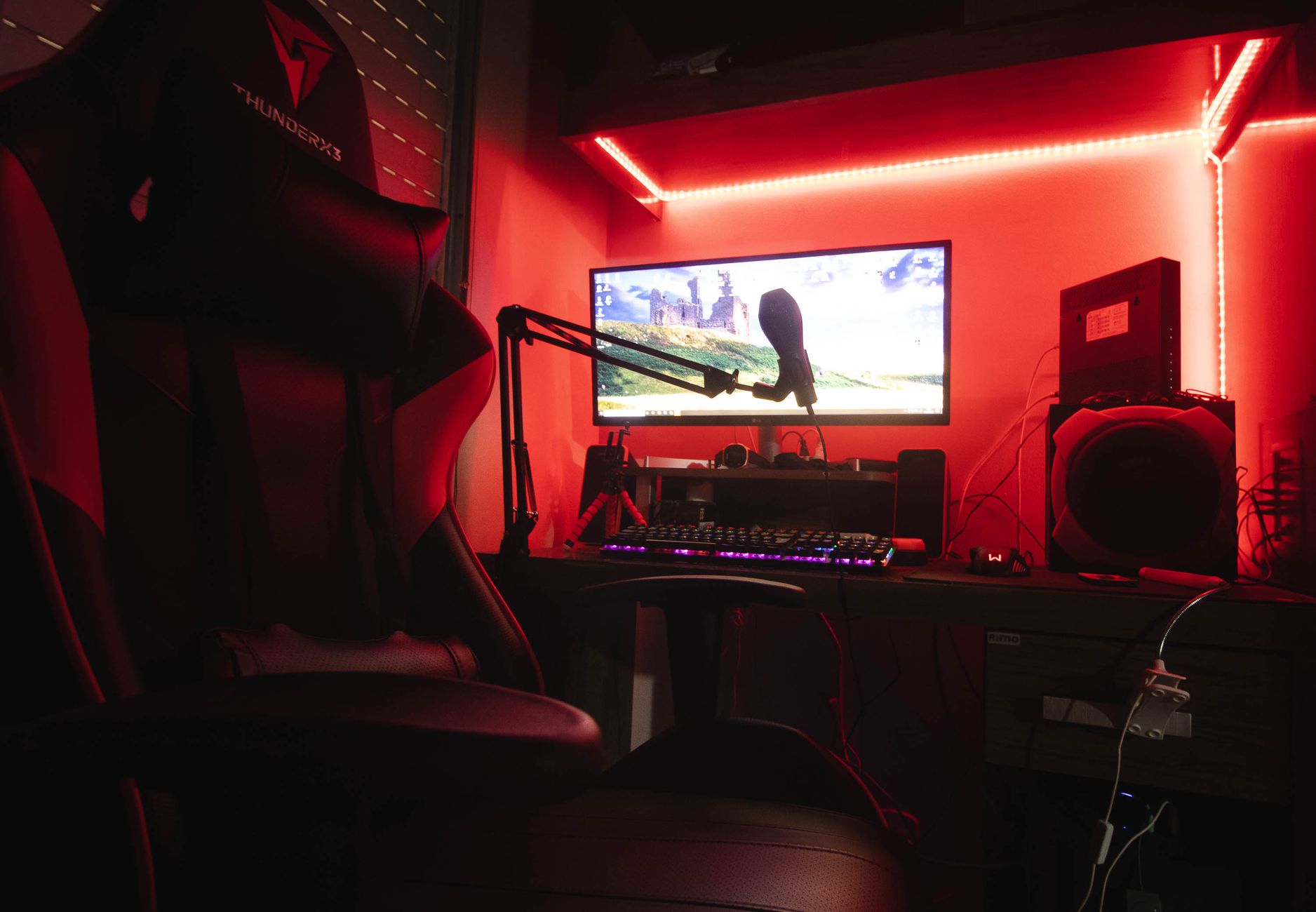
Twitch built what we now call the creator economy years before that phrase entered mainstream use. Streamers could monetise through subscriptions, ad revenue, and direct donations (known as "bits") without a label, a studio, or a distribution deal. All that was needed was a decent PC, a microphone, and something worth watching. Some streamers grew to audiences that rivalled cable television, earning six and seven-figure incomes from communities they had built themselves from scratch.
This model validated an idea that was still radical in the early 2010s: that an individual with personality and skill could build a sustainable media business, entirely on their own terms. It directly seeded the broader creator economy that now spans YouTube, TikTok, Substack, and Patreon. For a deeper look at how that ecosystem functions today, the creator economy explained is worth reading alongside Twitch's origin story, since the two are inseparable.
Esports goes mainstream through Twitch
Competitive gaming existed long before Twitch, but the platform gave it something it had always lacked: a reliable, scalable, and accessible broadcast home. Tournaments that once filled convention halls with no way to reach remote fans suddenly had a global live audience. Major events for games like League of Legends, Dota 2, Counter-Strike, and Fortnite drew millions of concurrent viewers on Twitch, forcing traditional sports broadcasters to pay attention.
The production values followed the audiences upward. What started as a single webcam pointed at a monitor evolved into multi-camera studio broadcasts with commentary teams, replay analysis, and cinematic production design. That trajectory is part of a larger story about why esports productions now look like Hollywood broadcasts: the bar for quality was raised not by television executives but by communities of viewers who simply demanded better.
A new model for live entertainment production
Twitch also changed what production actually looks like behind the scenes. Traditional broadcast television requires infrastructure: studios, crews, broadcast trucks, satellite uplinks, and regulatory licensing. Twitch stripped most of that away. A single person with consumer-grade streaming software and a home internet connection could reach more viewers than a regional television station.
This democratisation had two effects. It lowered the cost of entry to almost nothing, enabling a wave of creative experimentation that no commissioning editor would ever have approved. And it forced professional broadcasters to rethink what audiences actually value. Raw authenticity, unscripted moments, and direct creator-to-viewer connection turned out to matter more than polished production in many contexts. That lesson has since filtered back into commercial production, where brands now routinely commission content designed to feel less produced, not more.
Cultural influence beyond gaming
Twitch's influence spread well beyond the gaming category that defined its early identity. Musicians began live-streaming recording sessions and practice performances. Artists streamed the creation of digital illustrations, narrating their process in real time. Chefs cooked, therapists hosted open Q&A sessions, and political commentators ran hours-long watchalongs during elections. The platform's "Just Chatting" category, where streamers simply talk to their audience, became one of the most watched categories on the site.
This breadth revealed something important: what Twitch had actually built was not a gaming platform but a live companionship platform. Viewers tuned in not just for the content but for the feeling of being in a shared space with other people and with a host they had come to know over hundreds of hours. That dynamic is genuinely new in the history of mass media, and its influence on how brands, studios, and broadcasters think about audience retention is still being absorbed.
What Twitch left behind for the industry
Twitch's legacy is not without complications. The platform has navigated difficult conversations around creator burnout, harassment, content moderation at scale, and the sustainability of a model that places enormous emotional labour on individual streamers. These are problems without clean solutions, and they are now shared by every platform that followed Twitch's blueprint.
But the net contribution to entertainment is hard to overstate. Twitch demonstrated that live, interactive, creator-led content could attract audiences comparable to traditional broadcast. It proved that communities, not algorithms alone, could sustain a media business. And it established the expectation, now universal across entertainment, that viewers deserve a voice in the experience they are watching. Every platform building for the next decade of entertainment is building on ground that Twitch broke first.