
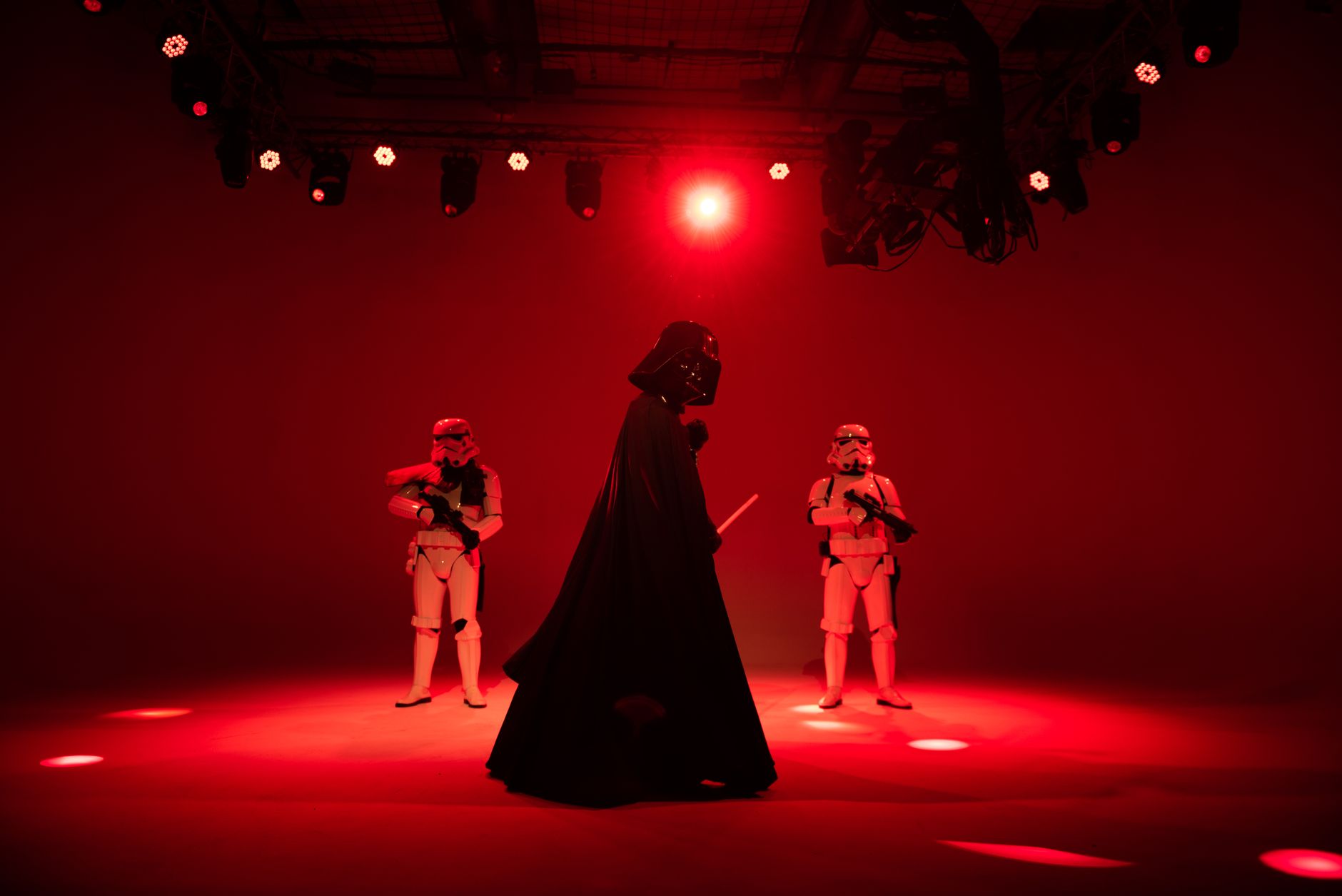
The villain is the most revealing character a filmmaker can write. Heroes get their virtues tested. Antagonists get to embody everything a story fears, covets, or refuses to name. The best screen villains don't just create conflict. They create meaning, and that's why audiences remember them long after the hero has faded.
Why the villain carries so much of the story's weight
A protagonist is defined by what they want. An antagonist is defined by what they're willing to do to get it. That gap between ambition and restraint is where character lives. When a villain's logic is coherent, even sympathetic, the story sharpens. The audience isn't just watching someone be stopped. They're watching an argument play out.
Think about what separates Hans Landa in Inglourious Basterds from a generic Nazi officer. Landa doesn't believe in ideology the way a cardboard villain would. He believes in himself, his intellect, his survival. That makes him more frightening than any true believer, and it gives the film its sharpest moral question: what do we owe to cleverness in the service of evil? The villain asked something the hero couldn't.
That's the function. Not to be stopped. To ask.
The three things every memorable antagonist shares
Compelling screen villains aren't random. They share structural qualities that filmmakers and showrunners return to deliberately.
They have a coherent worldview. The villain believes something. It doesn't have to be right. It has to be internally consistent. When Thanos argues that resource scarcity makes mass death rational, audiences don't agree with him. But they follow the logic. That's enough to make him dangerous rather than simply bad.
They reveal the hero's flaw. Great antagonists don't just threaten the protagonist physically. They expose something the hero hasn't confronted. The villain and the hero are often two versions of the same person, separated by a single choice. This is why Joker scenes work best when Batman's restraint becomes its own kind of violence. The mirror function is the point.
They want something the audience also wants. This is the uncomfortable part. The most durable villains tap into recognisable desires: power, recognition, love, justice, safety. Walter White wants respect. Amy Dunne wants to be believed. Roy Batty wants more life. The audience shares the desire even when they can't share the method.
How visual storytelling builds a villain
Character writing gets most of the credit, but the camera does at least half the work. How camera work shapes storytelling is especially legible in villain scenes, where framing communicates power dynamics before a word is spoken. Low angles build menace. Negative space isolates. A villain shot from above can become, in an instant, pitiable.
Anton Chigurh in No Country for Old Men is almost always framed with space around him. Empty corridors. Open roads. The Coens use that space to suggest that the world has already conceded something to him, that he occupies it differently to everyone else. Sound reinforces it: his footsteps, the cattle gun, silence where music would be. The craft layers up.
Sound design is rarely discussed in terms of villainy, but it's decisive. The Xenomorph in Alien is terrifying partly because of what you can't hear coming. Darth Vader is half-built from the John Williams Imperial March and that mechanical breathing. Sound design shapes the viewer experience in ways audiences feel without registering, and nowhere is that more true than in scenes built around threat.
The problem with villains who are simply evil
Flat antagonists fail because they remove the story's tension. If the villain is evil without reason, the hero's victory costs nothing. There's no argument to win. No question left open. The audience leaves satisfied but untroubled, which is the worst outcome for any film that wants to mean something.
This is why so many prestige dramas now resist the clean villain entirely. Succession's Logan Roy is monstrous and also correct about many things. The Bear's Carmy is his own antagonist. When the story refuses to separate hero and villain neatly, it forces the audience into genuine discomfort, which is where resonance lives.
The risk is overcorrection. A villain who is too sympathetic collapses into an antihero, and the story loses its moral stakes. The craft is calibration: enough coherence that the audience follows the logic, enough wrongness that they can't endorse it. That line is narrow and keeping a character on it through a full season or feature is hard to do.
What this means for filmmakers
If you're building an antagonist, start with what they believe rather than what they do. The actions follow from the belief. Ask what desire they share with your protagonist, then decide at what point their paths diverged. That divergence, the specific moment or choice that separated them, is usually the most interesting scene in the film.
Give your villain their own visual grammar: framing choices, colour palette, sound design cues that are distinctly theirs. The audience should feel when a villain is present, not just see them. And let them be right sometimes. Nothing destabilises an audience faster than a villain making a point the hero can't immediately answer.
The best screen antagonists aren't obstacles. They're the question the story is trying to answer.