
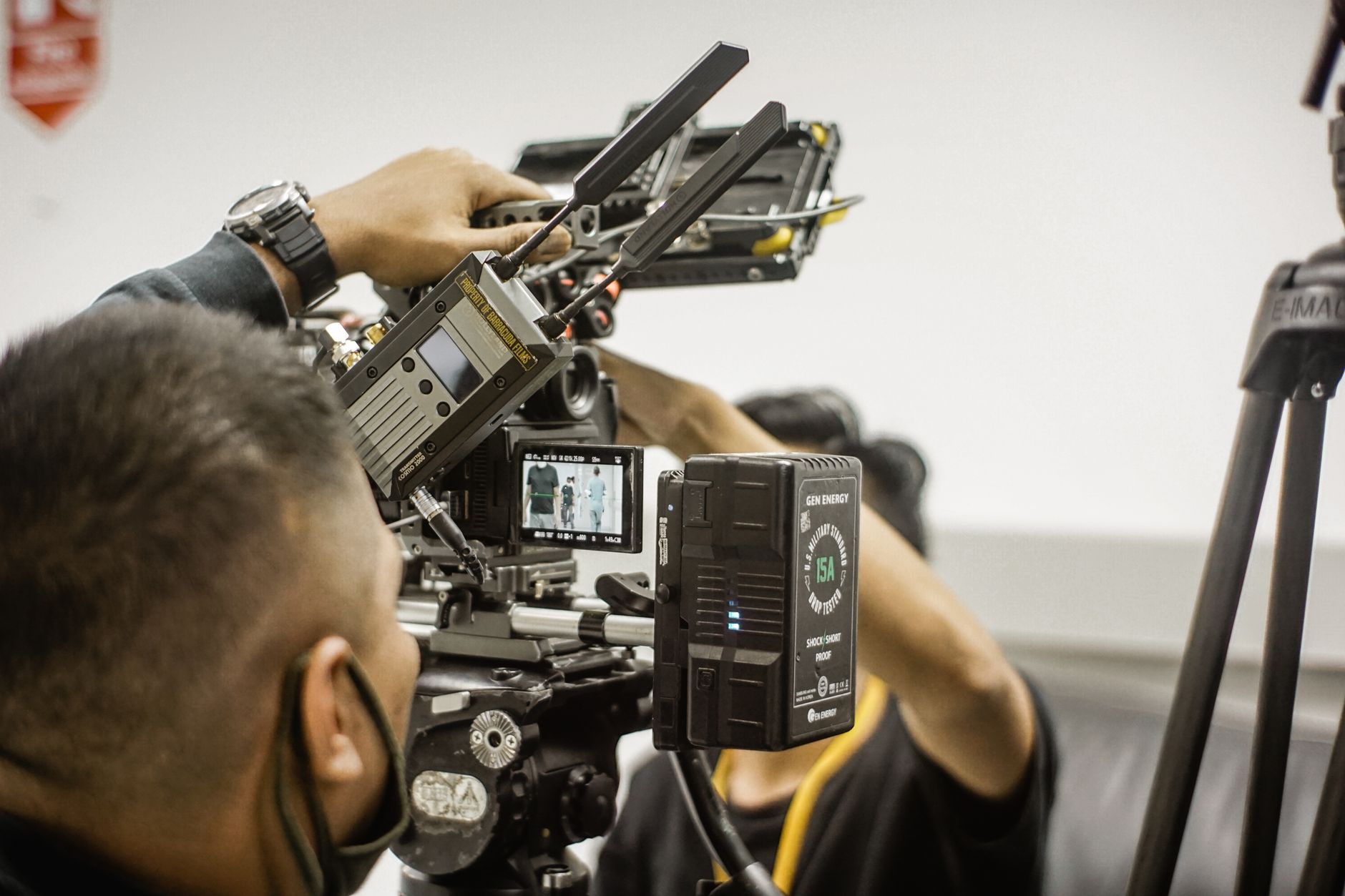
Cinematography is one of those disciplines that does its best work when no one notices it. When a scene leaves you unsettled, curious, or moved, the camera is usually the reason. Yet most viewers credit the script or the performances, rarely stopping to ask why a particular shot felt the way it did. Understanding the craft helps filmmakers at every level, from feature directors to branded content producers, make deliberate choices rather than default ones.
What cinematography actually does
At its core, cinematography is the management of light and motion to serve a story. The director of photography (DP) works alongside the director to decide where the camera sits, how it moves, what lens is on it, and how light falls across the frame. Each of those choices carries meaning. A wide-angle lens at close range creates a sense of distortion and unease. A long telephoto lens compresses depth, making a character look trapped by their environment. These are not incidental effects. They are tools with precise emotional consequences.
The relationship between cinematography and audience emotion is well understood in professional filmmaking, but it translates just as directly to commercial and branded work. Why cinematic trailers sell video games comes down largely to how camera language triggers feeling before a single piece of gameplay is shown. The same logic applies to any video content that needs to earn attention quickly.
The language of lenses
Focal length is one of the most powerful and most misunderstood variables in cinematography. A 24mm lens on a full-frame sensor produces images that feel expansive and immersive, drawing the viewer into the scene. A 135mm lens creates a more painterly compression, isolating subjects from their backgrounds and lending scenes an intimate, almost voyeuristic quality. The choice between them is not about preference; it is about what emotional register the story needs at any given moment.
Prime lenses (fixed focal lengths) force the cinematographer and director to commit to a position in space rather than zooming until something "looks right." That constraint often produces more considered, intentional images. Zoom lenses remain valuable for live and documentary work where repositioning the camera is impractical, but in scripted storytelling, primes tend to create a more disciplined visual language.
Camera movement and what it communicates
Static shots carry weight and authority. A locked-off camera watching a character in a moment of crisis forces the audience to sit with them rather than follow them, amplifying discomfort or stillness. Movement, by contrast, draws the viewer forward. A slow dolly toward a subject's face signals escalating tension or revelation. A handheld camera following a character through a crowd creates immediacy and fragility. A crane sweeping up and away signals resolution, perspective, or the passage of time.
The mistake many newer filmmakers make is treating camera movement as visual interest in itself. Movement that has no narrative function reads as noise. Audiences may not consciously identify the problem, but they feel the disconnect between form and content. The best cinematographers ask what the camera movement is doing emotionally before they call for a dolly track or a gimbal.
Lighting: the atmosphere beneath the image
Lighting ratios shape how realistic or stylised a scene feels. High-key lighting (bright, even, low contrast) is associated with commercial work, comedies, and situations where clarity and warmth matter. Low-key lighting (deep shadows, harsh contrasts) signals danger, moral complexity, or psychological interiority. The ratio between key light and fill light, the direction from which the light falls, and the colour temperature all contribute to the emotional texture of every frame.
Natural light, when used deliberately, can be extraordinarily powerful. The golden hour before sunset gives skin tones a warmth that artificial lighting struggles to replicate convincingly. Overcast conditions produce a flat, diffuse light that is often unfairly maligned but works beautifully for emotionally neutral or quietly melancholy scenes. Understanding the qualities of different light sources and choosing between them is a skill that separates competent camera operation from genuine cinematography.
Colour grading and the post-production layer
The work of a cinematographer does not end when filming wraps. Colour grading in post-production is where the visual mood established on set is refined and extended. A warm, slightly desaturated grade evokes nostalgia. Cool, clinical grades read as modern or corporate. High-contrast, crushed-black grades suggest grit or tension. The grade should feel like a continuation of the lighting design, not a correction of it.
This is especially relevant for brands and studios investing in high-quality video production. The consistency of a visual grade across a content library becomes part of brand identity. Audiences recognise it without being able to articulate why. It is the same mechanism that makes how streaming platforms are reshaping the film industry such a visible conversation: original programming often has a house style as much as a content strategy, and the grade is a big part of what defines that style.
Composition and the frame as communication
How subjects are positioned within the frame carries meaning independent of what those subjects are doing. A character placed low in the frame against a large open sky feels small and vulnerable. A character filling the full frame feels imposing or claustrophobic depending on the context. The rule of thirds is a starting point, not a rule, and knowing when to violate it deliberately is as important as knowing when to apply it.
Leading lines, negative space, depth layering (keeping foreground, midground, and background in meaningful relationship with each other) all contribute to how a viewer's eye moves through the image and what they pay attention to. A cinematographer who understands composition is not just framing subjects, they are directing the audience's gaze from within the frame itself.
Why it matters for every kind of production
The principles of great cinematography are not reserved for feature films or prestige TV. They apply equally to a three-minute brand film, a product launch video, or an internal communications piece. The stakes may differ, but the mechanism is the same: visual choices either serve the story and build trust with the viewer, or they work against it. Productions that treat camera work as a delivery mechanism for dialogue miss the opportunity that every frame represents.
For studios and creative businesses thinking about how their work is perceived, investing in cinematographic craft pays dividends that go well beyond aesthetics. It is one of the clearest signals of professionalism, care, and intention that a video production can carry. Audiences may not be able to name what they are responding to, but they feel it every time they watch something that has been made with genuine visual thought.