
A production diary is not simply footage left over from a shoot. It's a deliberate act of parallel documentation, running alongside principal photography and capturing decisions, arguments, happy accidents, and the texture of a film being made. When done with intention, it becomes one of the most valuable assets a production can generate, often outlasting the film itself in cultural memory.
What a production diary actually is
The term gets used loosely. At its narrowest, a production diary is a written log kept by a director, producer, or on-set journalist. At its widest, it encompasses behind-the-scenes footage, still photography, audio recordings, interview segments with cast and crew, and annotated scripts. What separates a production diary from a simple making-of documentary is intention. Making-of documentaries are assembled after the fact, shaped for a marketing window and smoothed into a coherent narrative. A production diary is kept in real time, with no certainty about what will be useful later.
Peter Jackson's production diaries for King Kong (2005) set a benchmark that still holds up. Jackson uploaded video journals directly to the internet during production, giving audiences an unfiltered window into a blockbuster mid-creation. The format was raw, the camera work was hand-held, and the conversations were genuine. Audiences responded not because the content was polished, but because it was honest. That honesty generated goodwill that no trailer could manufacture.
Who keeps them and why
Different roles on a production keep diaries for different reasons. Directors use them to record reasoning: why a scene was reframed, why a particular location was abandoned at the last minute, why a performance choice survived the cut. These notes serve as a record of creative intent that can prove essential if a film later faces a studio override or a legal dispute about authorship.
Producers keep production diaries for logistics. A well-maintained production log tracks every significant decision alongside its timestamp and the person who authorised it. That discipline has saved more than a few productions in post-mortem budget reviews.
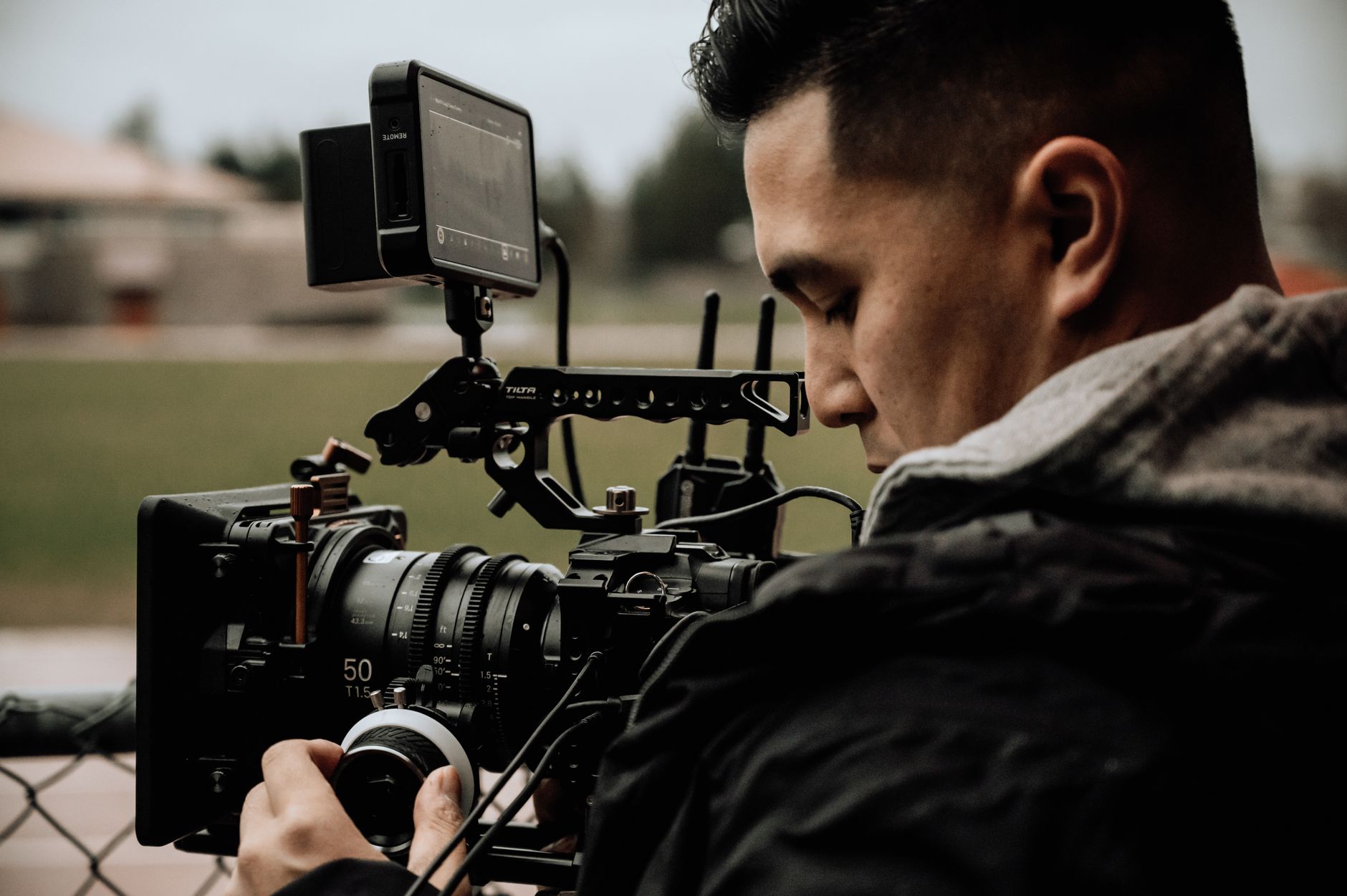
Script supervisors maintain their own form of diary by definition: continuity logs, scene-by-scene notes, and performance comparisons. But the richest production diaries tend to be kept by people whose primary job it is to document rather than to make decisions. A dedicated videographer following the production without a brief other than "capture what matters" produces footage that the core crew almost never would, precisely because the core crew is too busy making the film.
The relationship between documentation and creative memory
Memory on a film set is unreliable. Shoots run for months, decisions pile on top of each other, and the pressures of production compress time in strange ways. Directors routinely describe rewatching behind-the-scenes footage years later and discovering they had completely misremembered key moments. A costume was changed on a Tuesday, not a Thursday. A particular line reading that ended up in the final cut was actually improvised on the fourth take of a scene everyone thought had wrapped two hours earlier.
This is where the production diary earns its keep as a document rather than a marketing asset. It is, at its core, a form of institutional memory. The same logic applies in commercial video production: studios that document their process build a knowledge base that reduces reinvention on the next project. It's one reason pre-production planning documents like colour scripts tend to survive long after a film wraps, while informal verbal agreements between crew members evaporate entirely.
Production diaries as audience relationship tools
The marketing function of a production diary has become more explicit in the streaming era. Platforms now commission behind-the-scenes content alongside the original production, treating it as a separate deliverable with its own audience. Disney's gallery series for The Mandalorian runs to full episodes, each dedicated to a single craft. Netflix has built similar companion content for several of its prestige productions. These aren't afterthoughts. They're commissioned before cameras roll.
The logic is straightforward. A viewer who has watched 20 minutes of footage about how a prosthetics team built a character's face has a fundamentally different relationship with the film than someone who encountered it cold. They've invested time before the main event. That investment translates into advocacy. They're more likely to recommend the film, more likely to defend it in a conversation, more likely to rewatch it looking for the details they know exist.
This is an audience relationship dynamic that extends well beyond Hollywood. Smaller productions, short films, and even commercial video work benefit from documented process content. A corporate video client who sees a production diary from a previous project understands why decisions were made and trusts the studio before the brief is even written.
What separates a good production diary from a mediocre one
Three things. Specificity, continuity, and editorial restraint.
Specificity means naming the decisions that mattered and explaining why they were made. "We moved the camera here because the light at 4pm fell exactly where we needed it" is a production diary entry. "We had a great day on set" is not.
Continuity means keeping the diary through the uncomfortable parts of production, not just the photogenic ones. A production diary that only documents sunny days on a beach location and skips the week when the lead actor was sick and the schedule collapsed is a marketing document, not a diary. The difficult stretches are where the most interesting creative problem-solving happens.
Editorial restraint means not capturing everything. A production diary is not a continuous surveillance feed. The best diarists make choices about what to record and what to leave alone. Some conversations between a director and an actor shouldn't be documented. Some creative failures are better left without footage. The diary gains authority precisely because its keeper has exercised judgment about what belongs in it.
Formats that work in practice
Written diaries remain valuable, but video has become the dominant format for a reason: the camera captures tone, body language, and the energy of a space in ways prose never can. A written note that says "the crew was exhausted by week three" describes a fact. Footage of that same week shows the specific exhaustion of specific people, and that specificity is what audiences and archivists find meaningful.
Short daily video logs, shot on a handheld camera or even a phone, work better than occasional polished segments. The discipline of recording something every day, even briefly, builds a richer archive than a single elaborate behind-the-scenes shoot on the last day of production. Daily footage also captures the production's evolving mood over time, something a single day of documentation can never reconstruct.
Still photography runs alongside video rather than replacing it. The unit photographer's work, discussed in depth elsewhere on this site in the context of behind-the-scenes still photography, captures single frames with a precision that moving image rarely achieves. The combination of still and moving documentation gives a production archive genuine depth.
The long-term value of a production diary
Films that seemed minor at the time of production can become culturally significant years or decades later. The production diary for a film nobody cared about in its release year might be the most historically important document that production ever generated, simply because it captured a moment in filmmaking that turned out to matter.
West Melbourne Studios treats production documentation as a deliverable in its own right, not an afterthought. The footage, notes, and photography generated during a production carry value that is impossible to fully assess at the time of creation. Keep the diary. Keep it honestly. The uses will reveal themselves.