
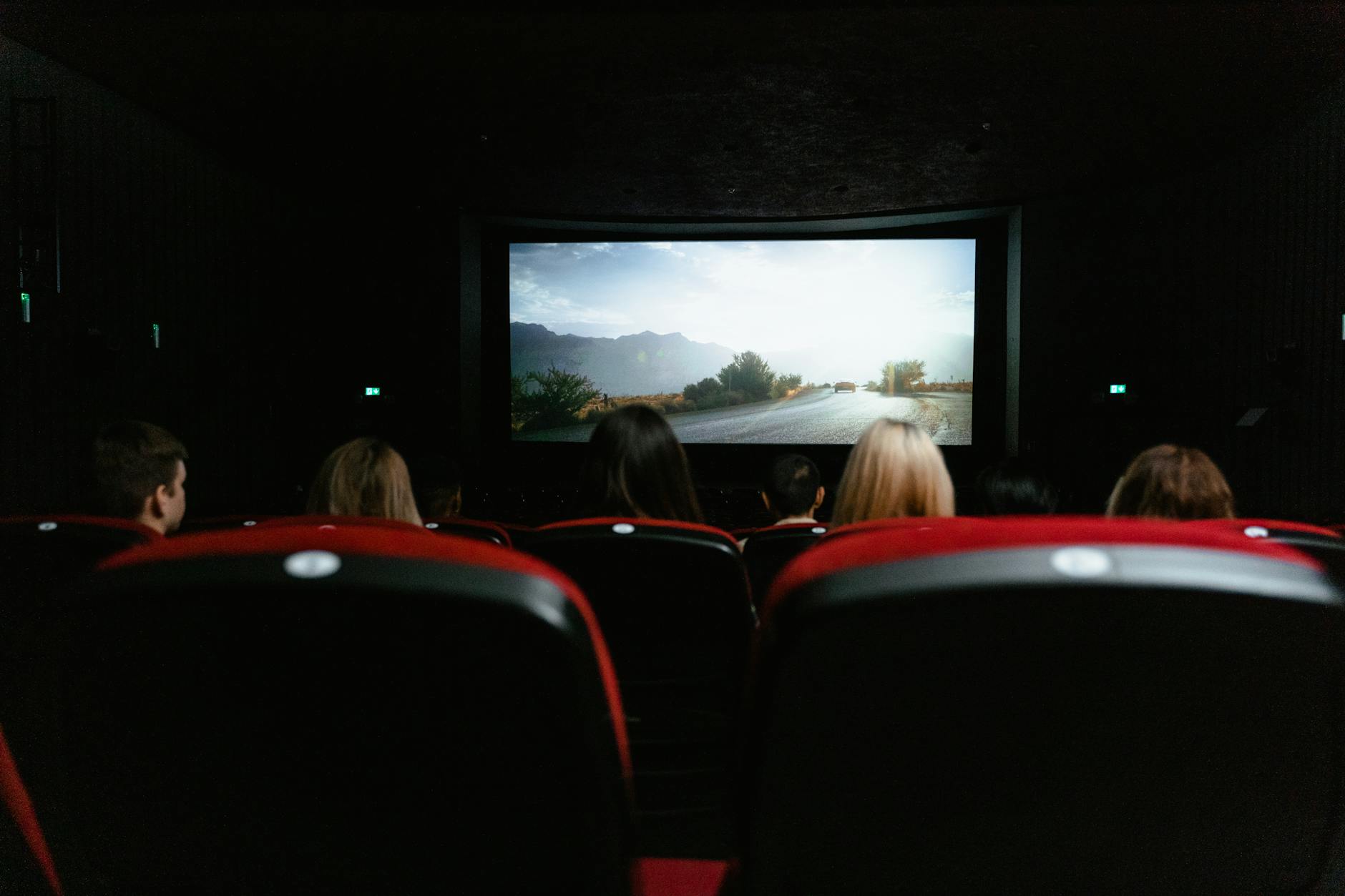
The question of film vs streaming and where audiences are going has become one of the most contested conversations in entertainment. Cinemas are still open. Blockbusters still break records on opening weekends. And yet streaming platforms now command more hours of attention per household than any other format in history. The picture is more complicated than either side wants to admit.
The numbers behind the shift
Global cinema attendance has recovered since its pandemic lows, but it has not returned to its pre-2020 peak in most markets. Audiences are still going to the cinema, but they are going less often and being more selective about what earns a trip to the theatre. Tentpole releases, franchise films, and event-style screenings continue to draw crowds. Mid-budget dramas, comedies, and prestige pictures that once filled weeknight sessions have largely migrated to streaming.
Streaming, meanwhile, has matured considerably. The era of explosive subscriber growth is behind the major platforms. Netflix, Disney+, Max, and their competitors are now competing on retention, ad-supported tiers, and live content rather than simply adding new households. The audience is largely signed up. The battle now is for attention within those households, night after night.
What audiences actually want from each format
The honest answer is that audiences want both, but for different reasons. Cinema offers scale, communal experience, and a kind of irreducible spectacle that a home screen still cannot fully replicate. Sound design, screen size, and the social ritual of going out all contribute to a version of film-watching that streaming cannot substitute. For films that were built to be seen big, the theatre still wins.
Streaming, on the other hand, wins on convenience, volume, and the comfort of personal choice. It also wins on the psychology of binge watching, where the design of platforms encourages extended viewing sessions that cinema, by its nature, cannot support. You do not watch three episodes of a prestige drama at your local cinema. You do at home, at midnight, because the next episode loaded automatically before you decided what to do about it.
The formats are also producing different kinds of stories. Cinema increasingly gravitates toward scale: spectacle, franchise continuity, IP-driven universes. Streaming has absorbed the middle ground, funding the kind of character-driven, writer-led projects that studios became reluctant to greenlight for theatrical release. That shift has real creative consequences, and it has changed which stories reach which audiences.
The theatrical window, compressed and contested
One of the most significant structural changes of the past several years has been the compression of the theatrical window. The period between a film's cinema release and its availability on streaming has shrunk from the traditional ninety-plus days to as little as thirty to forty-five days for many titles, and sometimes less. This compression has changed the calculations for studios, exhibitors, and audiences alike.
For audiences who are already paying for streaming subscriptions, the question of whether to go to the cinema is increasingly answered by the window. If a film will be available on their platform of choice within a month, many viewers will wait. That decision is not about disliking cinema. It is about the economics of attention and the competing demands on leisure time. How streaming platforms are reshaping the film industry goes beyond distribution windows, touching financing models, story selection, and the long-term careers of filmmakers.
Live content and the new competitive front
The most interesting development in the film vs streaming conversation is the emergence of live content as a streaming priority. Platforms that were built entirely on on-demand viewing are now investing heavily in live sport, live events, and even live awards shows. This is not coincidental. Live content resists the most common streaming behaviour, which is watching things days or weeks after release. It creates urgency and communal viewing at scale.
Cinema has always had a version of this with opening weekends and event screenings. Streaming is now building its own equivalent. The line between broadcast television, cinema, and streaming is blurring in ways that make simple comparisons between "film" and "streaming" increasingly inadequate. Why live streaming dominates online entertainment is part of the same story: audiences want presence, not just content.
The creator layer changes everything
Sitting beneath the cinema vs streaming conversation is a third force that often goes unmentioned: creator-led content on YouTube, TikTok, and other platforms. For younger audiences especially, the competition for screen time is not between Netflix and the local multiplex. It is between both of those and the algorithmically curated feed of short-form video that their phone serves up constantly. Understanding where audiences are going requires accounting for this layer, not just the premium long-form options.
This fragmentation does not mean cinema or streaming is losing in an absolute sense. It means the overall pool of entertainment attention has expanded, and both formats are fighting for a share of something larger and more diffuse than the audience of a generation ago. Studios and platforms that understand this are building strategies around moments and communities, not just titles.
Where the audience goes from here
The trajectory points toward further co-existence rather than a definitive winner. Cinema will continue to serve the audience that values spectacle, ritual, and shared experience. Streaming will continue to serve the audience that values convenience, volume, and discovery. The interesting creative work will happen at the edges: films designed specifically for one format, experiments in interactive and hybrid viewing, and the ongoing negotiation between studios and platforms over which stories belong where.
For filmmakers, the shift creates real opportunity. The tools and platforms available to tell stories have multiplied. The definitions of what counts as a film, a series, or an event are genuinely open. Understanding the audience and the format they prefer for a given type of story is now as important a craft skill as cinematography or editing. The audience has not gone anywhere. They have just spread out, and the job of storytelling is to go where they are.