
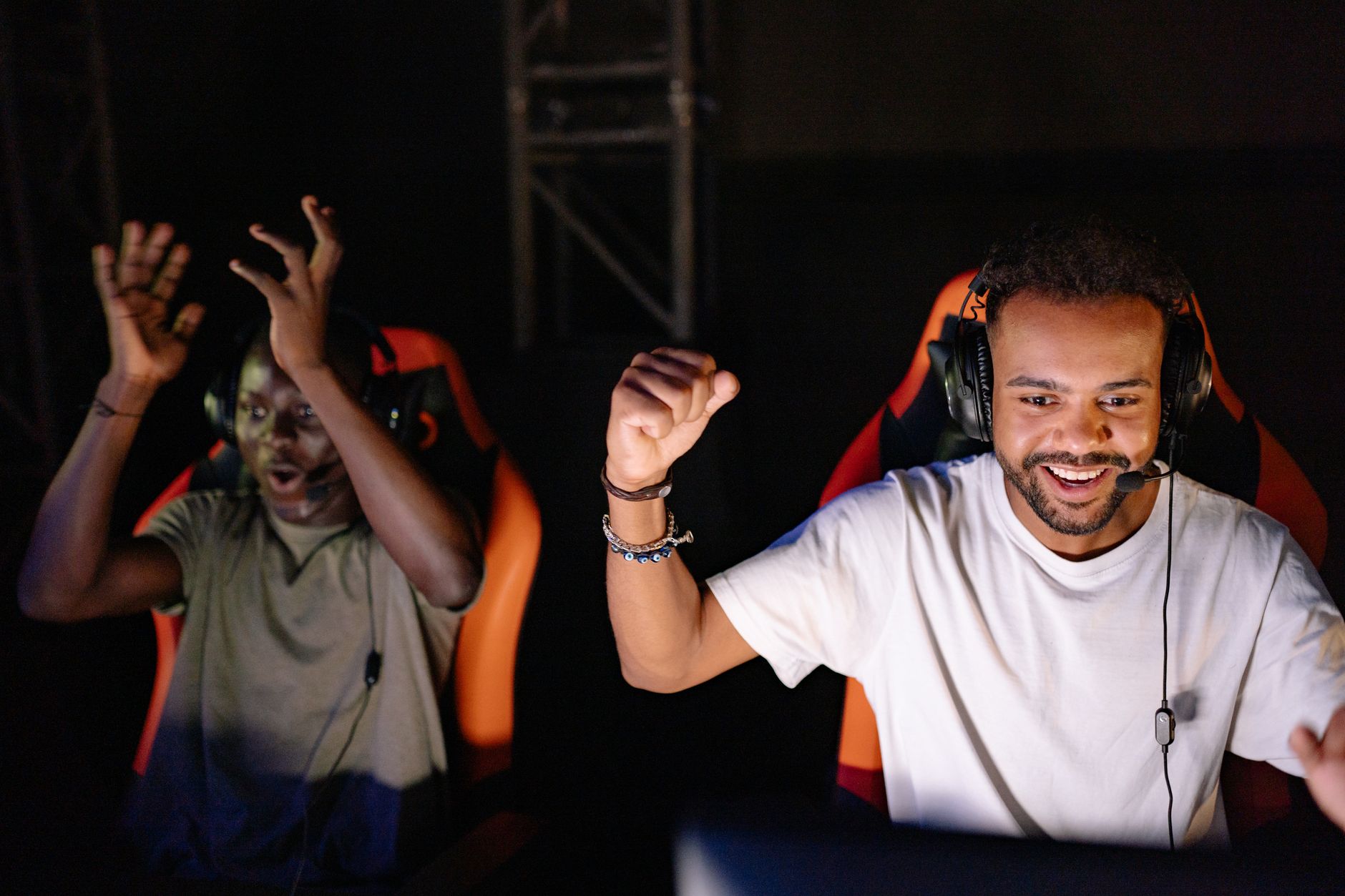
The reaction video is, on its surface, an absurd format. A camera points at a person watching something. Nothing more. Yet reaction content consistently pulls millions of views, spawns dedicated channels with audiences in the tens of millions, and has quietly reshaped how entertainment creators think about the relationship between a film, a piece of music, or a game trailer and the people consuming it. The format reveals something real about how humans experience media together, even when they're alone.
What a reaction video actually is
A reaction video captures a person's live, unscripted response to a piece of media as they encounter it for the first time. The format originated on YouTube in the early 2010s, when creators began filming themselves watching viral videos, film trailers, and music videos. By the mid-2010s, dedicated channels focused entirely on first listens to classic albums, blind watches of beloved films, and live responses to sporting moments. The format found its commercial legs around 2017–2019, as platforms began rewarding watch time over raw view counts, and a composed eight-minute reaction naturally outperformed a 30-second clip.
The distinction between a reaction and a review matters. A review is considered, edited, and argued from a position of knowledge. A reaction is immediate, vulnerable, and unfiltered. That rawness is the product. Viewers aren't there for the critic's conclusions. They're there to watch a human being feel something.
The psychology behind watching someone else react
Mirror neurons are the most cited explanation, and while neuroscience is more complicated than the pop-science version, the underlying instinct is real. Watching a person laugh makes you more likely to laugh. Watching a person wince sharpens your own discomfort. Emotion is contagious, and a reaction video delivers that contagion in a controlled, pauseable format.
There's also something more specific at play: shared experience compression. If you've seen a film that moved you, you want others to feel what you felt. A reaction video lets you witness that moment happen, often with a complete stranger. The comment sections on popular reaction channels are full of people writing things like "I've been waiting for this episode" or "the part at 6:42 is going to break them." Viewers are anticipating vicariously. They know what's coming. The reactor doesn't. That asymmetry is the tension the format runs on.
This connects directly to what slow burn film pacing achieves over a two-hour runtime: the deliberate withholding of information, and the release of that information at a moment of maximum impact. Reaction videos compress that same arc into the visible, real-time response of another person's face.
What the format reveals about great film and music
Reaction videos function as an unintentional quality test. The pieces of media that generate the most intense reactions, and the most devoted reaction audiences, are almost always the ones with genuine craft behind them. A film score that produces audible gasps when a reactor hears it for the first time tells you something about that score's construction. A plot twist that sends a reactor's hands to their face tells you something about the screenwriter's patience.
West Melbourne Studios works closely with the craft of needle drops and music cues in film, and it's notable that reaction channels dedicated to film music have become among the most technically engaged on YouTube. Commenters debate orchestration, leitmotif, and harmonic choices. The reaction format draws people into craft conversations they might never have had otherwise.
Film moments that perform best in reaction content share certain qualities. They tend to be the culmination of a long build: payoffs that only land because the setup was patient. They involve faces, not just spectacle. The human face on screen triggers a response in the reactor's face, which triggers a response in the viewer watching the reactor. It's a chain of empathy.
The legal and ethical complications no one fully solved
Reaction content operates in genuinely contested copyright territory. A reactor showing a film trailer is playing back copyrighted material. Fair use in the United States and fair dealing in Australia both provide some shelter, particularly when commentary and criticism form a substantial part of the content. But the boundaries are fuzzy.
Most major studios have quietly chosen tolerance over enforcement, recognising that reaction content functions as free promotion. A channel with 2 million subscribers reacting to a film's third act does more for awareness than most paid media campaigns. Some studios have gone further, reaching out to major reaction channels ahead of releases to coordinate timing, treating reactors as a distribution layer rather than a legal risk.
Individual music creators have been less consistent. Rights managed through labels sometimes trigger automatic content ID matches that demonetise or remove reaction videos mid-partnership. The infrastructure for licensing short-form re-use in reaction contexts doesn't really exist yet, and the workarounds are messy.
What production studios can learn from the format
The reaction video's popularity contains a lesson for anyone producing film, branded content, or marketing video: the emotional response of the audience is content in itself. When a piece of work produces a visible, shareable human reaction, it extends its own reach through that reaction. This isn't an accident. It's a function of craft.
Moments engineered for reaction tend to involve contrast, surprise, or the confirmation of something the audience has been hoping for a long time. The best plot twists in film don't just shock, they recontextualise everything the audience thought they understood, and watching someone else experience that recontextualisation is its own pleasure.
For creators and studios, the implication is practical. If you want your work to spread through reaction content, build the moments worth reacting to. That means craft at the level of specific scenes, not just overall quality. It means understanding which beats will produce the most visible emotional response, and trusting the audience to carry those moments forward.
Where the format is going
Reaction content has begun migrating off YouTube into longer-form streaming contexts. Twitch has hosted live reaction streams for years, though platform rules around copyrighted media have made the format technically complicated. Short-form reaction clips now appear across TikTok and Instagram Reels, often stripped of context: just the reactor's face, the sound of what they're hearing, and the emotion.
The compressed version is less satisfying but more algorithmic. A 15-second clip of someone's face when a plot twist lands outperforms a 12-minute full reaction in raw view terms. Whether that changes the economics of reaction channels long-term is an open question.
What's clear is that the format isn't going away. It fills a genuine human need: to experience something alongside another person, even asynchronously, even through a screen. That need predates the internet. Cinema solved it first by putting strangers in a dark room together. Reaction video solves it again, differently, for audiences who consume alone.
The camera doesn't need to capture the film. It just needs to capture the face of someone watching it. That's enough.