
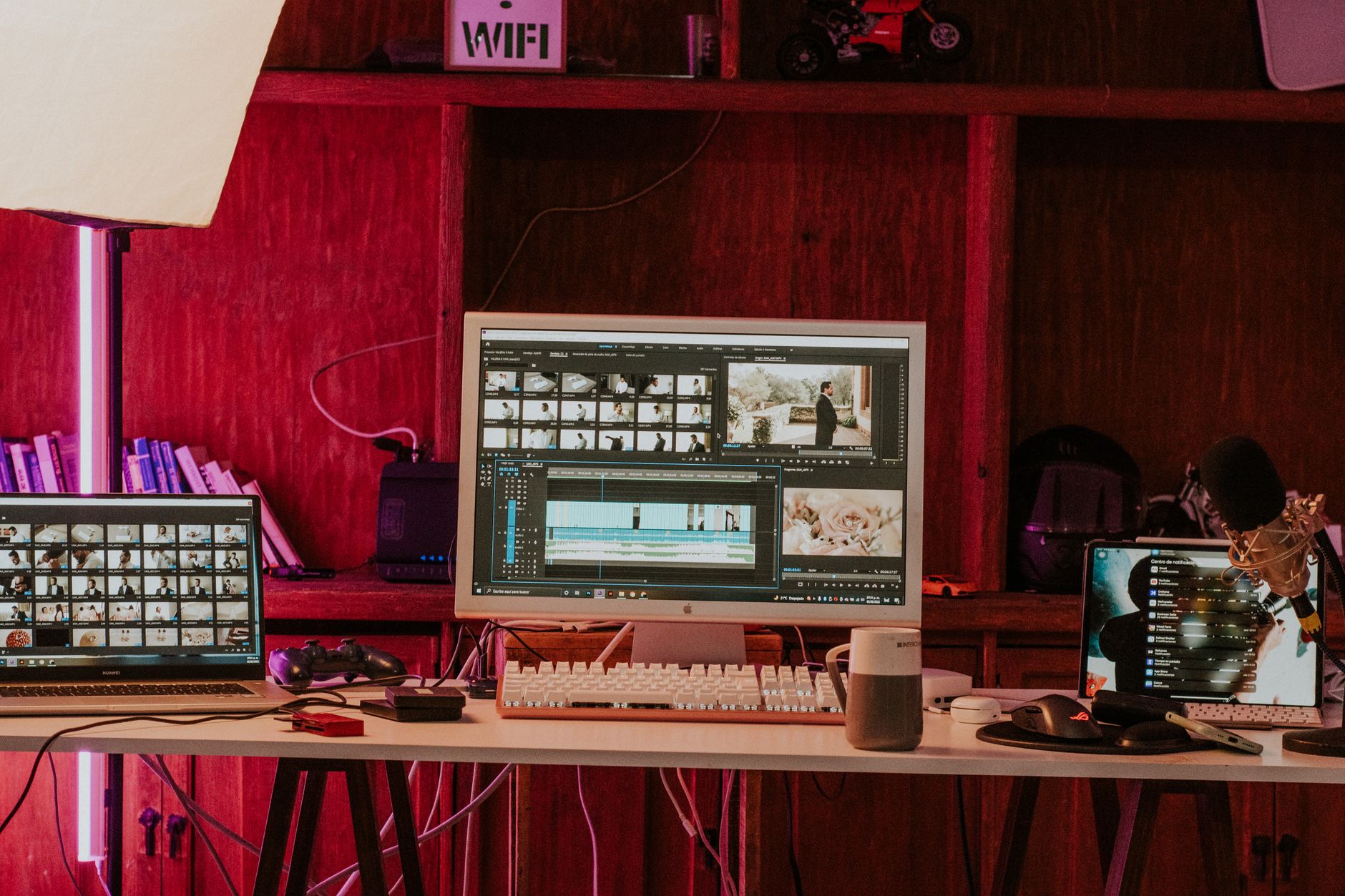
How production studios use AI has shifted from a speculative question into a practical one. The tools are no longer experimental curiosities reserved for well-funded tech pilots. Studios of every size, from boutique video agencies to large-scale commercial houses, are integrating AI into their workflows at multiple stages. Some of those integrations are modest quality-of-life improvements. Others are genuinely restructuring how projects get planned, shot, edited, and delivered.
Where AI actually fits in a production workflow
The most common misconception about AI in production is that it replaces creative roles. In practice, the studios making the most effective use of AI are using it to eliminate friction, not talent. Pre-production benefits the most from this. AI tools can now generate detailed shot lists from a script brief, produce mood boards from text prompts, and assist with scheduling by cross-referencing location availability, talent bookings, and equipment rosters. Tasks that once consumed a full day of a producer's time can be completed in an hour or less.
Scriptwriting assistance is another area where AI has found a genuine foothold. Studios are using large language model tools to draft first-pass scripts, explore alternative dialogue options, or generate variations on a storyboard narrative. The outputs rarely go to a client unedited, but they give writers a concrete starting point and dramatically compress the blank-page phase of a project. This is especially useful in commercial video production, where AI is changing how commercial video production teams structure their development timelines.
Post-production: where the gains are most visible
Post-production is where AI integration has moved fastest, and where the measurable efficiency gains are hardest to ignore. Automated transcription and captioning tools have essentially become table stakes. AI-powered colour grading assistants can analyse a reference look and apply consistent grades across a large edit in minutes. Noise reduction, audio cleanup, and dialogue isolation tools that previously required specialist operators are now accessible through plug-ins that junior editors can learn in an afternoon.
Object removal, background replacement, and scene extension are also becoming standard capabilities in post workflows. Virtual production studios have been exploring this territory for years, but the democratisation of these tools means that a small studio with a competent editor can now deliver visual effects work that would have required a dedicated VFX house in the past. The wider implications for studios are covered well in the rise of virtual production studios and what it means for film.
On the audio side, AI is being used for music bed generation, sound effect sourcing, and even voice synthesis for scratch tracks during the editing phase. This does not remove the need for composers or sound designers on final deliverables, but it accelerates the creative feedback loop between editors and directors during rough cuts.
Client communication and project management
Beyond the craft itself, studios are using AI to improve how they manage the business side of production. AI-assisted project management tools can flag timeline risks based on historical project data, automatically generate progress reports, and draft client update emails from brief note inputs. For studios handling multiple concurrent projects, this kind of administrative support meaningfully reduces the overhead that tends to fall on senior producers.
Some studios have started using AI tools to assist with brief interpretation. When a new client project arrives with an ambiguous or underspecified creative brief, AI can help surface the right clarifying questions or generate a preliminary creative direction document that gives the conversation a structure. This connects directly to broader questions around creative project management tips that experienced studio operators return to repeatedly.
The limits studios are learning to respect
AI is not a wholesale replacement for the human judgement that defines good filmmaking. Studios that have pushed the tools too hard, particularly in creative ideation and client-facing outputs, have found that the results can lack the contextual nuance that clients respond to. A brand's voice, the emotional register of a particular campaign, the cultural specificity required for an Australian market, these are things that AI tools still approximate rather than grasp.
There are also practical concerns around intellectual property and provenance, particularly when AI-generated visual or audio assets are used in commercially released work. Studios are developing their own internal policies around what gets generated versus commissioned, and how those choices are disclosed. This is an evolving area, and the studios navigating it most carefully are the ones building durable client relationships based on trust rather than novelty.
What this means for studios right now
The production studios that are getting the most out of AI are not those chasing every new tool release. They are the ones that have taken stock of where their workflows lose time and energy, and applied specific AI solutions to those specific problems. Pre-production planning, rough-cut acceleration, transcription, and administrative communication are the four areas where the return on investment is clearest and the risk of creative dilution is lowest.
The studios treating AI as a strategic production asset rather than a marketing talking point are already seeing the difference in their output volume, project margins, and team capacity. The question is no longer whether production studios should use AI. It is which parts of their process will benefit most from a clear-eyed, deliberate integration.