
Real estate video production is no longer a nice-to-have for agents chasing a premium listing. Buyers are making shortlists, and sometimes final decisions, based on video content before they ever step through a door. For developers and agencies that get this right, the payoff is measurable: faster time on market, stronger enquiry rates, and a brand that builds over time rather than one transaction at a time. For those still relying on static photos and a floor plan, the gap is widening.
Why video works differently in real estate
Property sits in an unusual category for marketing. The purchase decision is enormous, often the largest a person ever makes, yet the research phase is mostly digital. Buyers scroll listings at night, on their phones, over coffee. Video fills a gap that photography simply cannot: it conveys scale, flow, and the feeling of moving through a space. A well-lit photo of a living room tells you what it looks like. A properly shot walkthrough tells you what it feels like to live there.
There is also the trust dimension. In a market where buyers frequently miss open homes or make offers sight-unseen, video acts as a verifiable record of a property's condition and character. Agents who invest in quality production are not just selling the listing; they are signalling that they take their work seriously. That signal accumulates into a reputation. This is the same logic behind social proof in marketing, and it applies with particular force in real estate because the stakes are so high for the buyer.
The formats that genuinely move buyers
Cinematic property walkthrough
The cinematic walkthrough is the workhorse of real estate video. Shot on a gimbal or slider, graded to flatter natural light, and edited with a light music bed, this format gives a property a sense of occasion. The key is pacing: too fast and viewers feel rushed; too slow and they scroll away. Most effective walkthroughs run between 90 seconds and three minutes. Anything longer needs a compelling story to hold attention.
Aerial and drone footage
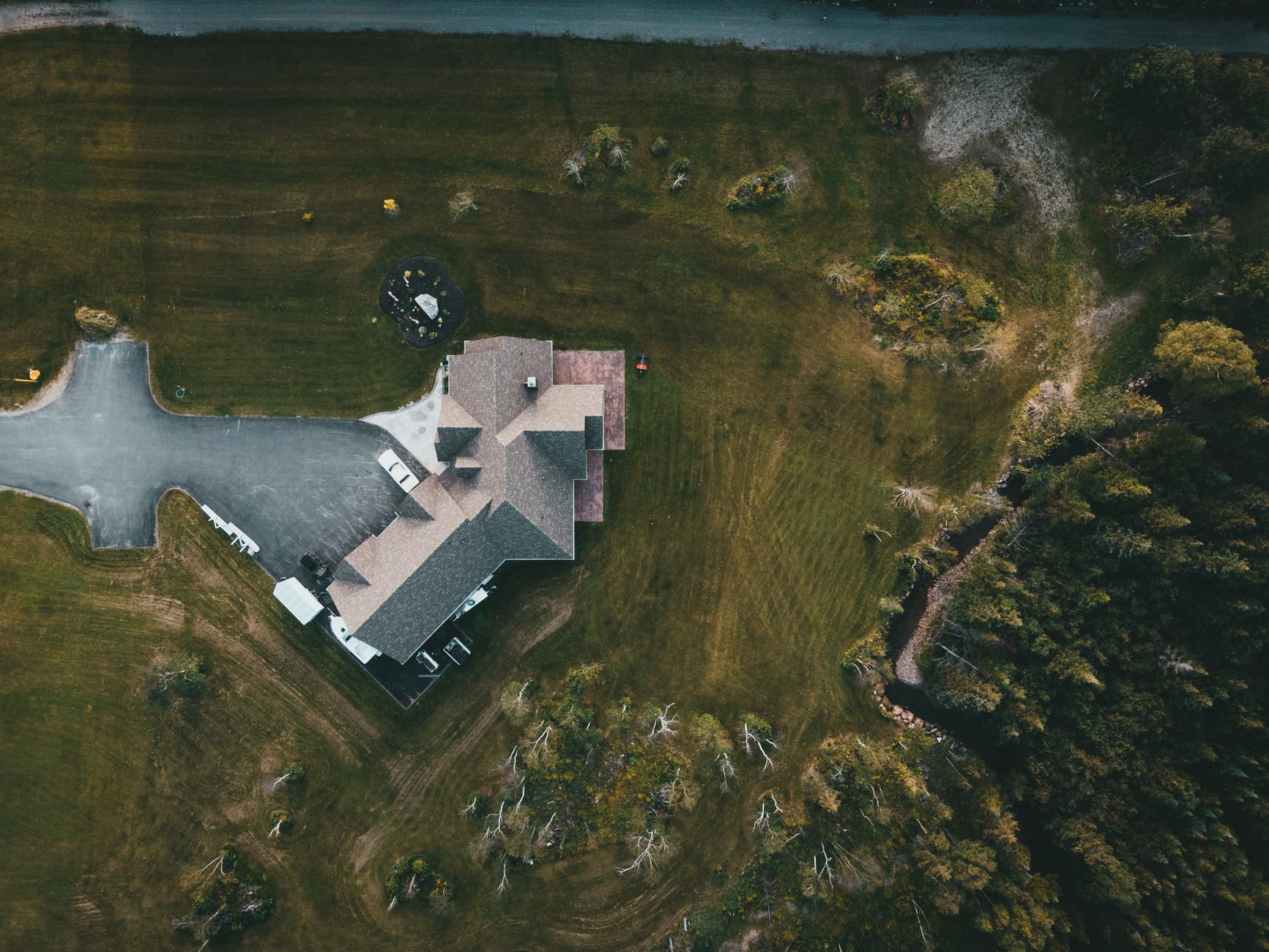
Drone footage became standard quickly and for good reason. It gives buyers an immediate sense of location, orientation, and surrounding context that ground-level shots cannot provide. For properties near coastlines, parks, or city skylines, an establishing aerial shot can be the single most persuasive frame in the entire video. Operators in Australia require a CASA RePL licence for commercial drone work, so always confirm your production partner is properly accredited before signing off.
Agent profile and suburb videos
Smart agencies are not just shooting properties. They are building content libraries that position their agents as local authorities. A two-minute suburb profile, covering schools, cafes, transport links, and lifestyle, keeps performing long after a specific listing closes. Agent introduction videos, produced once and reused across dozens of listings, build familiarity with buyers who may not be ready to transact for months. This kind of content strategy is what separates agencies that own a market from agencies that merely participate in it.
3D virtual tours with video integration
Virtual tour platforms have improved significantly. When a Matterport-style 3D scan is paired with a professionally produced highlight video, buyers get the best of both worlds: the freedom to explore at their own pace, plus the emotional pull of a curated narrative. For prestige listings or interstate buyers, this combination can move a sale to contract without a physical inspection.
What separates good real estate video from average
Lighting is the biggest differentiator. Natural light is ideal, but it must be managed. Shooting into bright windows blows out the exposure; shooting away from them leaves rooms looking dim. Professional crews balance ambient light with supplementary LED panels to retain the warmth of a space without making it look artificially staged. Time of day matters too. The golden hour before sunset does things for a property that no amount of post-production can fully replicate.
Sound is underestimated in property video. Most listing videos carry a royalty-free music track and that is often enough, but the choice of track sets the emotional register for the entire piece. A slow, sparse piano track reads as calm and considered. A brighter, tempo-driven piece reads as energetic and modern. Neither is wrong; the choice should match the property and the target buyer. Where voiceover is used, script it tightly. Agents who ad-lib on camera often sound hesitant, which is the last impression a sales video should create.
On the editing side, the principles are the same as any cinematic production. Understanding how camera work shapes storytelling matters here just as much as it does in film: shot selection, cut rhythm, and the relationship between image and sound all determine whether a viewer feels something or simply watches. The best real estate editors treat a property like a character with a story to tell, not just a series of rooms to document.
Budgeting for real estate video in Australia
Production costs vary considerably by market tier and format. A single-property walkthrough with drone footage in a metro market typically starts around $800 and can reach $3,000 or more for prestige listings that require multiple camera operators, twilight shoots, and extensive post-production. Suburb or agency brand films are higher again, often sitting between $5,000 and $15,000 depending on scope and crew size.
The question is not whether that spend is large but whether it is proportionate. On a $2 million listing, a $2,000 video is a rounding error if it shortens time on market by even one week. For developers launching a multi-stage project, a single brand film produced well can anchor an entire marketing campaign across digital, social, and display channels simultaneously. The cost-per-impression arithmetic almost always runs in favour of quality video when it is produced with a distribution strategy in mind.
Distribution: where real estate video earns its keep
Producing great video and uploading it to a listing portal is the minimum. The agencies and developers getting the best return are distributing their content deliberately. Property videos posted to Instagram Reels and YouTube Shorts consistently outperform static posts for reach, particularly when the first three seconds are cut to hook a scrolling viewer. Longer-form walkthrough videos on YouTube build search equity over time, especially when titles and descriptions are optimised for suburb and property type keywords.
Email campaigns remain underused in real estate video marketing. A brief video embedded in a buyer newsletter consistently outperforms a link to a photo gallery in click-through rates. For high-value listings, a targeted campaign to a curated buyer list, featuring a personally addressed video message from the listing agent, can generate serious enquiry from buyers who would never have responded to a standard mailout.
Working with a production partner
Real estate is a fast-moving industry, and turnaround speed matters. An experienced production partner understands this and builds workflows accordingly. Deliverables should be agreed upfront: format specs for each platform, music licensing, revision rounds, and deadline expectations. Agencies signing a recurring production arrangement benefit from consistency in colour grade, shooting style, and edit pacing across their whole portfolio, which compounds the brand-building value of every individual video.
The best results come from treating video not as a service ordered per listing but as a core component of an agency's marketing infrastructure. That shift in thinking is what turns a good agent into a recognisable brand, and a recognisable brand is what wins the next listing before the pitch meeting even begins.