
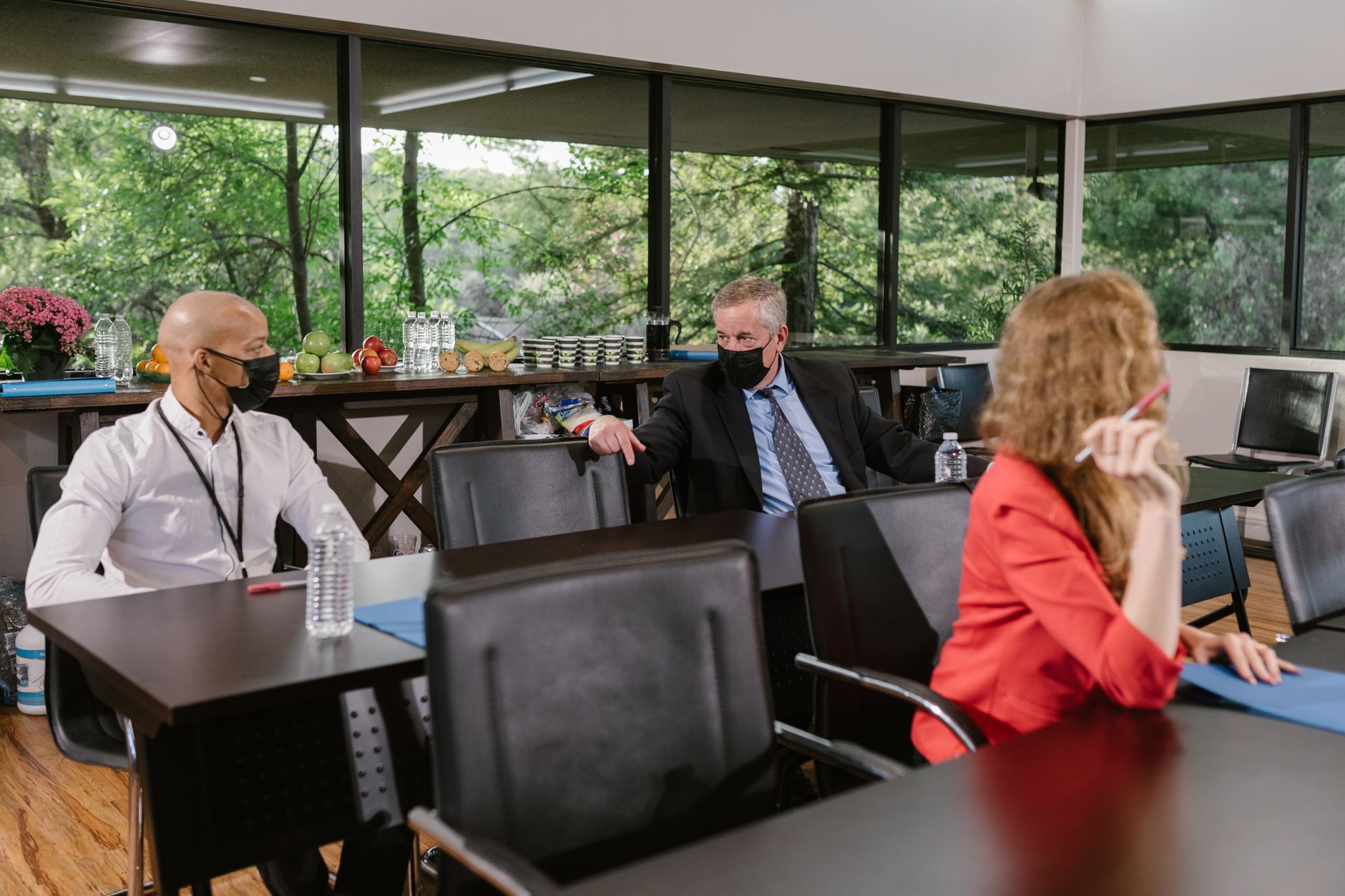
New employee induction is the first real impression a business makes on its own people. Most induction programmes still rely on printed handbooks, slide presentations, and a long morning of someone reading aloud from a policy document. New starters sit, nod, and retain very little. Video changes that equation by giving induction content a format that actually holds attention and can be revisited the moment it's needed.
West Melbourne Studios works with businesses across a range of industries to produce induction video content that goes beyond compliance checkboxes. The format works because it's consistent, scalable, and far more engaging than anything delivered in a crowded meeting room on day one.
Why induction video works differently to onboarding video
These two terms get used interchangeably, but they describe different things. Employee onboarding video typically covers role-specific integration: tools, team introductions, workflows, and objectives. Induction video sits earlier. It covers what every new starter needs to know regardless of their role: values, culture, workplace conduct, safety obligations, and how the organisation actually functions.
That distinction matters for production. Onboarding content changes every time a role, team structure, or tech stack changes. Induction content is far more stable. A well-produced induction video library can remain accurate and useful for two or three years with minimal updates. That longevity is a significant part of its commercial case.
What to cover in a new employee induction video series
The strongest induction programmes treat video as a series rather than a single film. Each module covers one topic, runs between three and eight minutes, and is designed to be watched in sequence or pulled up individually when a new starter needs a refresher.
Modules typically cover:
- Organisational history, mission, and values
- Workplace culture and behavioural expectations
- Workplace health and safety obligations
- Key policies (leave, conduct, data handling, communications)
- Facilities orientation, including emergency procedures
- Payroll, HR systems, and who to contact for what
The health and safety module deserves particular attention. Regulatory obligations around induction vary by industry and jurisdiction, and video provides an auditable record of delivery. Every new starter watches the same content, at the same standard. That consistency is something a live presentation can't guarantee.
How to structure each module
Each video module should open with a single clear statement of what the viewer will know by the end. Not a list of objectives read from a slide. One sentence, delivered to camera by a real person. This anchors attention and signals that the content has a purpose beyond compliance.
The middle of each module works best when it mixes formats. A presenter-led segment works for content that benefits from a human voice, such as culture and values. Screen recording or animation works better for process-heavy content like submitting leave requests or logging a workplace incident. Keep each segment under ninety seconds before cutting to a new visual approach. Variety holds attention across the full module length.
End every module with a short summary of the three or four key points, delivered by the presenter. Some businesses add a brief comprehension check here, using their LMS (learning management system) to verify that the content has been watched and understood. That documentation matters for compliance purposes and protects the business if a conduct issue ever surfaces later.
Who should appear on camera
New starters pay attention when they see real people from the organisation on screen. A CEO welcome message recorded in a polished studio setting signals genuine investment in the induction experience. Department heads delivering their own team's section adds credibility. HR leads covering policy content work better than an anonymous voiceover reading from a document.
Not everyone is comfortable on camera. A presenter coach or a few rounds of teleprompter practice before the shoot day makes a measurable difference. West Melbourne Studios includes this preparation as a standard part of any corporate video production engagement, because the performance quality of the talent directly affects whether the content feels worth watching.
Avoid using only senior leaders for every module. New starters connect with peers. A short segment featuring someone who joined six months ago talking honestly about their first week is often the most watched part of an entire induction programme.
Production quality and tone
Induction video doesn't need a cinematic budget. It needs to look professional enough that new starters don't distrust it. Shaky footage, flat audio, and a bedroom background all send the wrong signal about how seriously the organisation takes its own standards. A consistent visual look across the series, including matching colour grade, titles, and lower thirds, communicates that this is a considered programme rather than an afterthought.
Tone is equally important. Dry, formal language makes induction content feel like a legal disclaimer. Conversational, direct delivery makes it feel like a colleague explaining something useful. Write the scripts the way your best managers actually talk, not the way HR documents are written. That gap is bigger than most businesses realise until they hear their own induction content played back.
If your induction programme covers safety and compliance training, these modules may have specific regulatory standards that govern how content is presented and documented. Brief your production team on those requirements before scripting begins, not after the shoot.
Where to host and how to deliver it
Most businesses deliver induction video through their existing LMS or HR platform. If neither exists, a private Vimeo channel or a dedicated internal portal works well. The important thing is that access is restricted to current employees and that completion can be tracked.
Avoid sending new starters a list of YouTube links. It signals low investment, creates tracking problems, and puts your content next to competitor advertising. Host it somewhere you control.
Send the induction series link before the first day rather than making it a day-one activity. New starters who arrive already knowing the organisation's values, culture, and key policies contribute faster and ask better questions from the outset. The first day becomes about connection and context rather than information transfer.
Keeping the content current
The biggest maintenance mistake businesses make with induction video is treating it as a one-time project. Record it once, publish it, and assume it's done. Policies change. Leadership changes. Facilities change. A compliance obligation that doesn't exist this year might be mandatory by next year.
Build a review cadence into your induction programme from the start. A light annual review, plus a trigger-based review whenever a significant policy or structural change occurs, keeps the content accurate without requiring a full series reshoot. Design each module to be updated independently. If the payroll system changes, only the payroll module needs to change. The values video stays untouched.
When you commission the production, retain all original project files including graphics, music licences, and raw presenter footage. That makes future updates faster and cheaper than starting from scratch.
The business case for getting this right
New starters who feel well inducted are more likely to stay. That correlation is consistent across industries. Turnover in the first ninety days is expensive, typically costing between 50 and 200 per cent of the annual salary for the role. Video induction doesn't eliminate early attrition, but it reduces the confusion and anxiety that drive a large share of it.
It also reduces the administrative load on HR and team leaders. Every hour a manager spends repeating induction information to a new starter is an hour not spent on productive work. A self-serve video library gives new starters the answers they need without escalating every question to a person.
Done well, induction video reflects the organisation's values before a new employee has attended their first real meeting. That first impression is worth investing in.