
A written case study tells a prospect what happened. A video case study shows them the person it happened to. That distinction sounds small. In practice, it's the difference between a piece of content that builds mild credibility and one that actually moves a buyer closer to a decision. Video case study campaigns are one of the most underused formats in business video, and most companies that do attempt them make the same structural mistakes.
Why video case studies outperform written ones
Written case studies rely entirely on the reader's willingness to construct empathy from text. Video does that work for them. A customer speaking on camera about a specific problem they had, and the specific way it was solved, triggers a recognition response in prospects who share that problem. The viewer doesn't just read about the result. They see someone like them describing it.
West Melbourne Studios produces video case studies across a range of sectors, and the pattern is consistent: the closer the on-screen subject matches the viewer's own situation, the higher the conversion rate on the surrounding campaign. This is why specificity matters more than production polish. A founder talking candidly in a well-lit office converts better than a slick corporate testimonial that could apply to anyone.
This connects directly to how social proof works in video beyond simple testimonials. A case study takes the testimonial structure and adds context: the before state, the obstacle, the intervention, and the measurable after. That four-part arc is what makes it a sales tool rather than a thank-you reel.
Structure your case study video around the problem, not the product
The most common mistake in video case studies is leading with the brand. The supplier describes their service, then the client nods along. Viewers tune out immediately. Start with the customer's problem instead. The worse the problem sounds, the more powerful the eventual resolution.
A useful structure for a two-to-three-minute case study video looks like this:
- The before state (30 seconds): The customer describes their situation before they engaged with you. Specific details only. "We were losing two hours per day to manual reconciliation" beats "we had some inefficiency."
- The turning point (20 seconds): What made them look for a solution, and why they chose this one. Let the customer say this, not a narrator.
- The intervention (40 seconds): What actually happened. A brief explanation of the work done, ideally with B-roll showing it in action.
- The measurable result (30 seconds): A specific number or outcome. "Revenue increased 34% in six months" is a triple. "Things improved significantly" is noise.
- The recommendation (20 seconds): The customer's direct endorsement, in their own words.
Keep the total runtime under three minutes for most use cases. If the story demands more space, consider a long-form version for a dedicated landing page and a 60-second cut for social and email.
Choosing the right customers to feature
Not every happy customer makes a compelling case study subject. The best candidates share three traits: they can articulate the before state clearly, they have a measurable result to cite, and they're confident on camera. The third point is often the deciding factor. A great result told nervously, with lots of filler and averted eye contact, is harder to use than a modest result delivered with conviction and directness.
West Melbourne Studios recommends running a short pre-production call with every case study subject before the shoot day. Fifteen minutes of conversation reveals whether someone is naturally expressive on camera. It also lets you identify the two or three key facts they'll be asked to deliver, so neither party is surprised in the room.
Sector and company size also matter for campaign targeting. A case study featuring a 200-person professional services firm converts poorly when served to a 12-person e-commerce business, and vice versa. Build your case study library with enough variation to match the segments you're actually targeting.
Production considerations specific to case studies
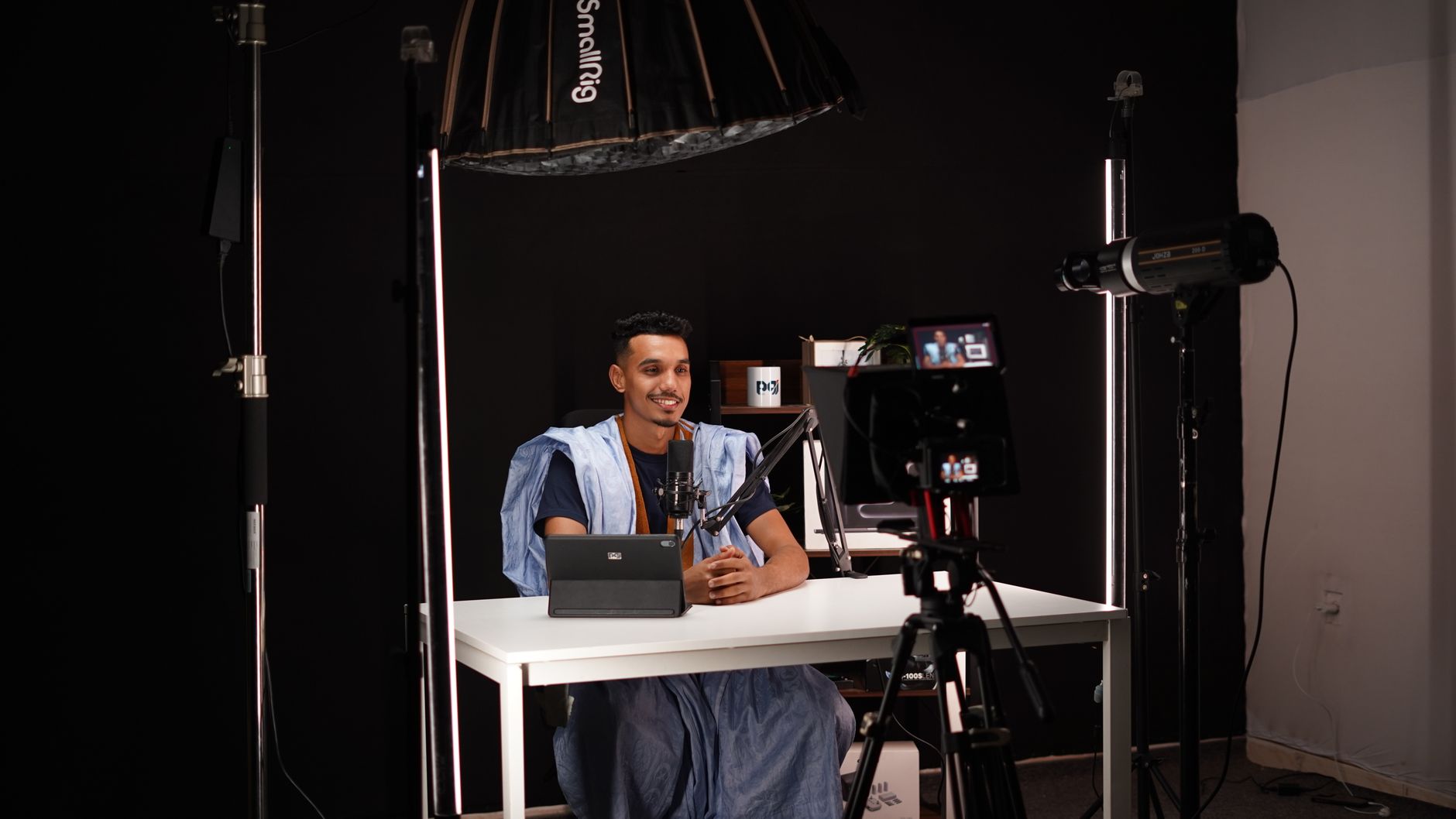
Case studies have different production requirements to brand films or explainer videos. The goal is credibility, not cinematic spectacle. That means treating location authentically. Film in the customer's actual workplace when possible. The familiar textures of a real office, warehouse, or studio reinforce the truth of the story in a way that a hired blank-wall studio never does.
Lighting and audio still matter, and they matter more than most businesses expect. A dark frame or muddy audio signals low production values, which undercuts the very credibility the case study is supposed to build. West Melbourne Studios treats these shoots with the same technical rigour as commercial productions, because the context of a case study demands it.
B-roll is particularly important in this format. Cut-away footage of the customer's product, team, or process gives the edit breathing room and makes the final piece feel documentary rather than corporate. The craft of choosing and cutting B-roll is something our team at the art of the B-roll explores in depth, and the same principles apply directly to case study production.
Distributing your case study video for maximum reach
A case study produced and posted once to a website is most of the effort for a fraction of the return. Think of the raw footage and final cut as assets that fuel a campaign, not a single piece of content.
From one case study shoot, West Melbourne Studios typically extracts a full-length version (two to three minutes), a 60-second social cut, a 15-second quote card for paid social, and two or three still frames for use in email and display. Each format targets a different point in the buyer's journey. The full-length version sits on the website and in sales proposals. The short cuts run as paid ads aimed at lookalike audiences matching the featured customer's profile.
Email is particularly effective for case study video. A personalised send linking to a case study featuring a company in the same sector as the recipient consistently outperforms generic outreach. Segmenting your case study library by industry or use case makes this kind of targeting straightforward.
If your team already thinks carefully about how video fits into sales proposals, case study video is the natural next layer: it's the proof point that makes the proposal's claims believable without the sales team having to assert them directly.
Measuring whether your case study campaign is working
Case study videos sit in the middle and bottom of the funnel, so vanity metrics like total views tell you almost nothing. Track the metrics that connect to pipeline: time on page for embedded case studies, completion rate for video players, and conversion rate on pages where a case study is the primary content.
In a sales context, measure whether deals that include a case study touchpoint close faster or at a higher rate than those that don't. This kind of attribution is imperfect, but even directional data tells you whether the format is pulling its weight.
West Melbourne Studios recommends reviewing your case study library at least every 12 months. Results go stale, customers move on, and the problems your business solves evolve. A case study citing a metric from four years ago is credible in a different way to one from six months ago. Keep the library current, and the conversion data will show it.