
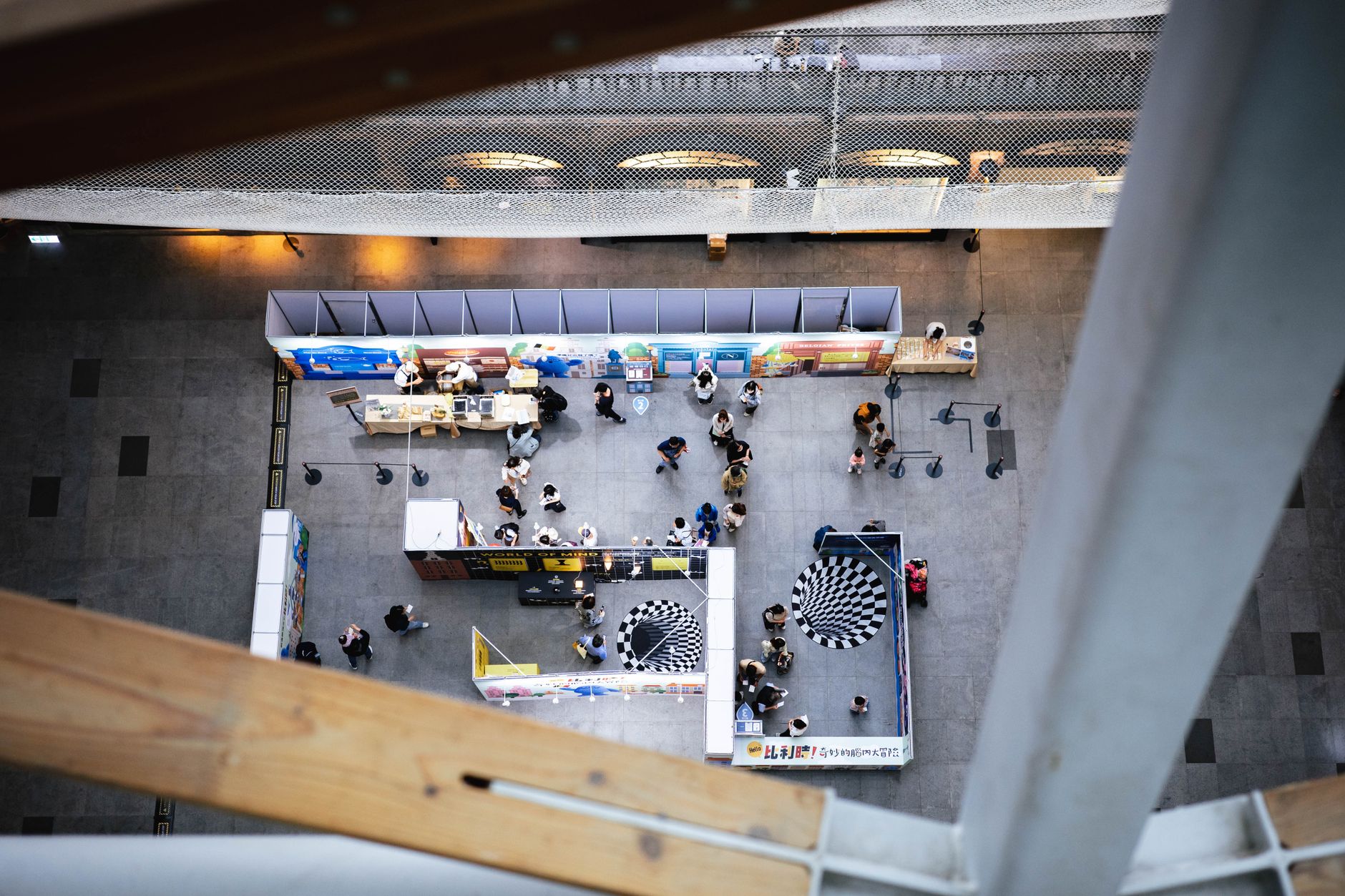
Trade shows generate leads in bursts. You collect a stack of business cards, exchange a few memorable conversations, and then return to the office to find that 80 per cent of those contacts have already moved on. The window for meaningful follow-up is narrow: research consistently points to the first 48 hours as the period when a prospect's recall of your brand is highest. Most businesses fill that window with a generic email. A short, well-made video does something that email rarely achieves: it puts a real person back in the room.
Why video outperforms text in post-event follow-up
A trade show is a sensory experience. Prospects who spent time at your stand associate your brand with a face, a voice, and a physical environment. A plain-text email strips all of that away. Video restores it. When a prospect opens a follow-up message and sees the person they spoke to on screen, referencing something specific from their conversation, the connection reactivates rather than starting from scratch.
West Melbourne Studios produces post-event video content that treats each follow-up as a continuation of the live conversation, not a cold outreach dressed up in warmer language. The format works because it collapses the distance between the event and the inbox. Done well, it's the closest thing to walking back onto the floor and picking up where you left off.
There's also a practical advantage. Sales teams fielding dozens of follow-up tasks after a trade show can record a short personalised video in less time than it takes to write a thoughtful email. Tools like Loom allow reps to record and send asynchronous video in under two minutes, without a production crew.
Three formats that work for trade show video follow-up
Not every follow-up needs the same treatment. The right format depends on the lead's position in the conversation and what you promised them on the floor.
Personalised rep videos. These are short, direct-to-camera messages recorded by the salesperson who met the prospect. They reference specifics: the challenge the prospect mentioned, the product they showed interest in, the next step discussed. Thirty to sixty seconds is enough. The goal is recognition, not pitch.
Product recap videos. If a prospect expressed interest in something you demonstrated at the stand, a tight product video gives them something to share internally. This is particularly useful in B2B contexts where the person you met isn't the final decision-maker. They need a video their manager can watch without attending the event. This format pairs well with the principles West Melbourne Studios applies to product demo videos built to drive sales, where the emphasis stays on outcome over feature list.
Event recap content. A short highlight reel from your stand or keynote session gives leads a reason to re-engage even if they didn't stop by. It positions your brand as an active participant in the industry, not just an exhibitor. This content also lives beyond the follow-up window: it works on LinkedIn, in email newsletters, and on your website for months after the event closes.
What to say and when to send it
Speed matters more than polish in trade show follow-up video. A slightly rough, genuinely personal video sent within 24 hours outperforms a highly produced message sent four days later. Record on the day if possible. If you can't, aim for the morning after.
The message itself should do three things: remind the prospect of the specific conversation you had, restate the value you discussed, and give them one clear next step. Not three options. One. A calendar link, a product page, or a short-form document that answers the question they raised on the floor.
Avoid recapping the entire event or restating your full service offer. The prospect has already heard the pitch. This video exists to deepen a relationship that already has a starting point.
Connecting follow-up video to a broader sequence
A single follow-up video is a tactic. A sequence is a strategy. West Melbourne Studios recommends treating trade show follow-up as the opening move in a short nurture campaign rather than a one-time send.
The structure typically runs over two to three weeks. The first video is personal and immediate. The second, sent five to seven days later, adds value without pushing a decision: a case study, a short explainer, or a clip from a recent client project. The third, if the prospect hasn't responded, is a soft close: a clear question about whether the timing is right, combined with a way to stay connected without committing to anything.
This sequence works because it mirrors the natural pace of a considered purchase decision. Most B2B leads aren't ready to move the moment they leave a trade show floor. A well-timed video sequence keeps your brand present without becoming noise. The principles that apply to B2B lead nurturing through video translate directly into this kind of structured follow-up, including the discipline of matching content depth to where the prospect actually sits in the buying process.
Measuring whether it's working
Video follow-up is easier to measure than email because the signals are richer. Open rates tell you almost nothing about whether someone engaged. Video play rates, watch duration, and click-through on the embedded call to action tell you whether the message landed and where interest dropped off.
Track reply rate as the primary metric in the first week. A prospect who watches a personalised video and replies, even to say they're busy, is far warmer than one who opens an email and moves on. Replies give your sales team a genuine thread to pull.
West Melbourne Studios integrates video hosting analytics into the follow-up process so clients can see, at the contact level, which prospects watched, for how long, and what they clicked. That data shapes which leads get prioritised in the second week of the sequence, making the whole campaign sharper with each cycle.
Common mistakes to fix before the next event
The most frequent error is delay. Teams plan to record follow-up videos and start three days after the event, by which point the prospect has forgotten the conversation and the video reads as a cold outreach rather than a continuation.
The second mistake is generic content: a video that could have been sent to anyone, referencing nothing specific about the prospect or their situation. Personalisation doesn't require a long production. It requires one sentence that proves you were listening.
The third is a missing call to action. A warm, well-delivered video that ends without a clear next step leaves the prospect with a positive feeling and no reason to act on it. End every follow-up video with exactly one thing you want them to do next.
Trade shows are expensive. The floor time, the stand, the travel, the collateral: all of it is a sunk cost the moment the event ends. Video follow-up is the mechanism that turns that investment into pipeline, by keeping your brand alive in the days when prospects are most likely to make a decision.