
Thought leadership in a niche industry is a harder brief than most video marketing teams expect. Your audience already knows the topic. They can tell when a script was written by someone who Googled the subject for twenty minutes. In specialised fields, such as industrial engineering, veterinary science, environmental compliance, or advanced manufacturing, credibility isn't assumed. It's audited, quietly, by every viewer in the first thirty seconds.
Video is the format best placed to close that gap, but only when it's built around genuine expertise rather than polished generality. West Melbourne Studios works with clients across specialist sectors, and the briefs that produce the most durable results share a common structure: the video commits to a specific position rather than broadcasting safe, broad statements.
Why niche audiences are harder to impress and easier to convert
A general consumer audience forgives vagueness. A niche professional audience doesn't. When a compliance officer watches a video about regulatory change in their sector, they're cross-referencing what they hear against years of direct experience. Anything that sounds approximate gets discarded. That sounds daunting. It's actually an advantage.
Niche audiences convert at much higher rates precisely because they filter aggressively. The viewer who sticks with your 8-minute technical explainer is not a casual browser. They're a qualified prospect who self-selected based on depth. The video that wins a niche audience doesn't need mass-market production values. It needs specificity, a named position on a contested issue, and a presenter who clearly knows what they're talking about.
This is why brand storytelling through video looks different at the specialist end of the market. A mass-market brand might lead with emotion and let specifics follow. A niche thought leader leads with the specific claim and lets the credibility build from there.
Choosing the right format for technical expertise
Most niche industries default to webinars and recorded presentations. Both work, but neither is optimised for discoverability or repeated viewing. A purpose-built thought leadership video, produced with the same intent as a webinar but the craft of a studio production, travels further and holds attention longer.
The formats that perform best in niche thought leadership contexts fall into three categories. First, the point-of-view piece: a short, direct-to-camera video where a named expert takes a position on a current development in their field. These work because they're attributable. The expert's name and organisation are visible. The argument is on the record. Second, the explainer with editorial depth: a motion-assisted video that breaks down a complex process, regulatory shift, or technical development for a professional audience. Third, the interview format: a structured conversation between two credible voices where genuine disagreement or nuance is permitted on screen.
The format to avoid is the testimonial dressed as thought leadership. Viewers in specialist industries distinguish quickly between a case study (which serves the brand) and genuine intellectual contribution (which serves the audience). One builds trust. The other erodes it.
Distribution in niche industries: smaller channels, sharper targeting
LinkedIn remains the primary distribution platform for B2B thought leadership video in Australia, particularly for senior professional audiences. But in genuinely niche sectors, the highest-value distribution often happens through industry association newsletters, sector-specific Slack communities, and conference organisers who share content ahead of major events.
West Melbourne Studios recommends that niche thought leaders treat their video distribution list the same way they treat a speaking submission: identify the 12 to 15 channels their target audience actually uses, and deliver the content there directly, rather than broadcasting and hoping the algorithm delivers it. Paid distribution on LinkedIn is worth testing, but organic seeding through trusted intermediaries almost always outperforms it in specialist verticals.
Consistency matters more in niche markets than production frequency. A single video published every six weeks with a genuine argument earns more credibility than four videos a month that restate industry common knowledge. Your audience notices both.
Building a repeatable thought leadership video system
The brands that build durable authority in niche industries treat video thought leadership as an editorial practice, not a campaign. Each video connects to a broader intellectual position. Viewers who watch the second piece remember something from the first. Over 12 months, this creates a body of work that signals consistent, evolving expertise rather than periodic marketing activity.
The practical structure looks like this. Identify 3 to 5 contested or under-discussed questions in your sector. Assign each one to a senior voice in your organisation. Script each video around a specific, defensible answer to that question. Film in a consistent environment so the visual identity is recognisable across the series. Publish on a declared schedule, even if that schedule is one video every eight weeks.
The scripting stage is where most organisations lose discipline. Understanding how anchored messaging works in video marketing scripts is particularly useful here: each video should be built around one central claim, not five adjacent ones. A thought leadership video that tries to cover an entire topic in four minutes ends up covering nothing convincingly. A video that argues one precise point with evidence, examples, and a named position lands with the authority niche audiences are looking for.
On-screen credibility: what niche audiences actually read
In specialist markets, the presenter's credentials carry as much weight as the content itself. The audience is checking whether the person speaking has the right to hold the position they're asserting. Lower-third name cards matter. Published work, board memberships, and sector certifications are worth referencing when they're genuine. These signals don't need to be boasted. They need to be present.
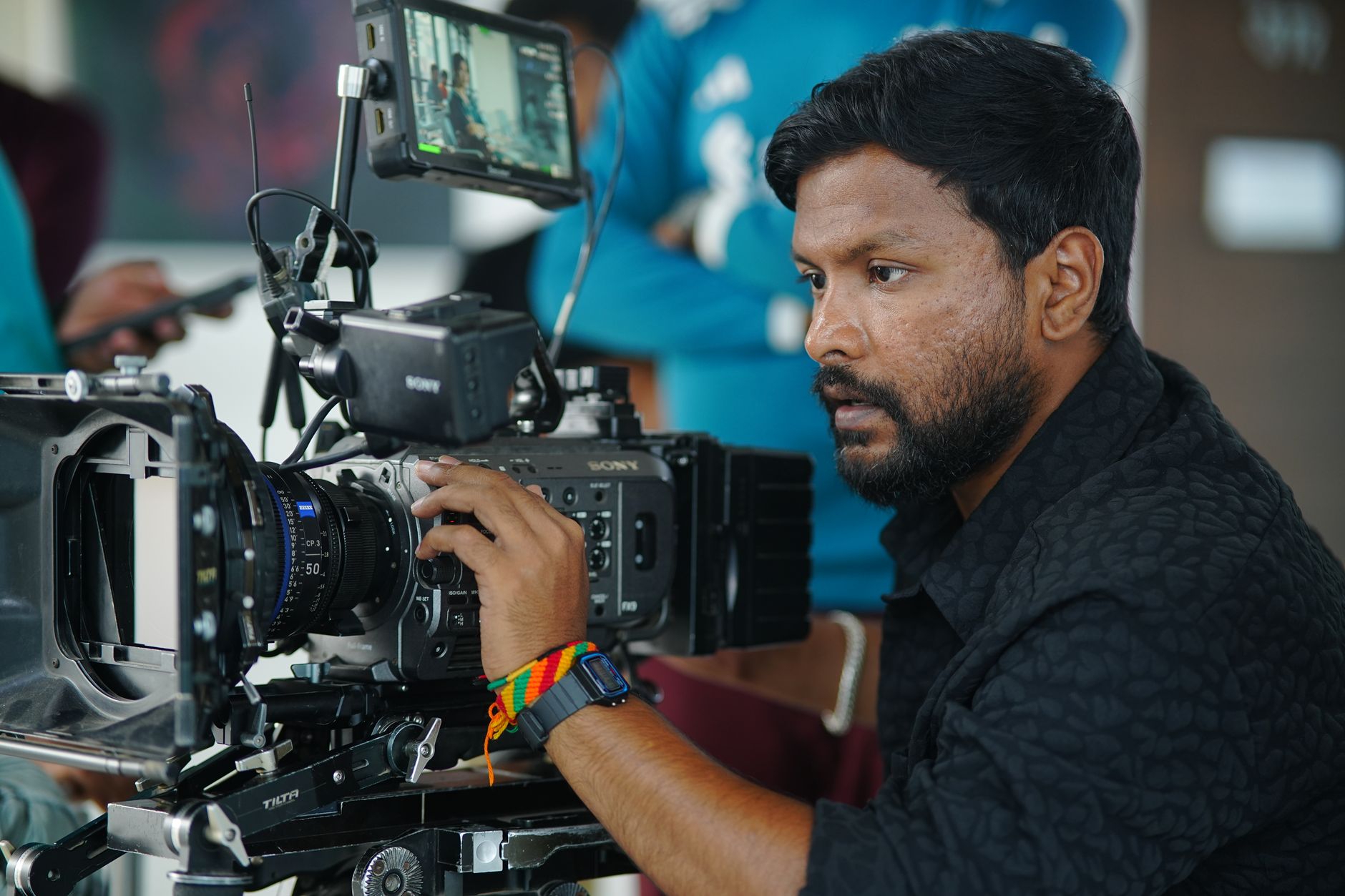
Production quality in niche thought leadership doesn't mean expensive. It means controlled. Clean audio, a stable shot, a presenter who's comfortable on camera, and a backdrop that reflects the professional context of the work. A materials scientist filmed in a lab carries more authority than the same scientist in a generic corporate meeting room. Environment is part of the argument.
Lighting, framing, and sound design communicate competence before the presenter says a word. Audiences in specialist industries, who consume a significant volume of video content from global peers and institutions, hold Australian producers to international standards. West Melbourne Studios approaches niche thought leadership briefs with this benchmark in mind from the first pre-production conversation.
Measuring thought leadership video in niche contexts
View counts are the wrong metric for thought leadership in specialist verticals. The numbers will always look modest compared to consumer campaigns. What matters is who watched, for how long, and what happened next. Watch-through rate on a 6-minute technical video is a more useful signal than raw views. Inbound contact from senior decision-makers following publication is a more useful signal still.
Track the depth of engagement rather than its breadth. Comments from named industry practitioners, shares in closed professional communities, and references in conference presentations are the metrics that signal genuine authority in a niche space. None of them show up in a standard analytics dashboard. They require qualitative monitoring, but they're the data that tells you the work is landing with the right people.
Set a 90-day window to assess a new thought leadership video series. Most specialist content takes longer to compound than consumer video because the distribution channels move more slowly and the audience is smaller. Credibility in a niche industry accumulates quietly, then arrives all at once.