
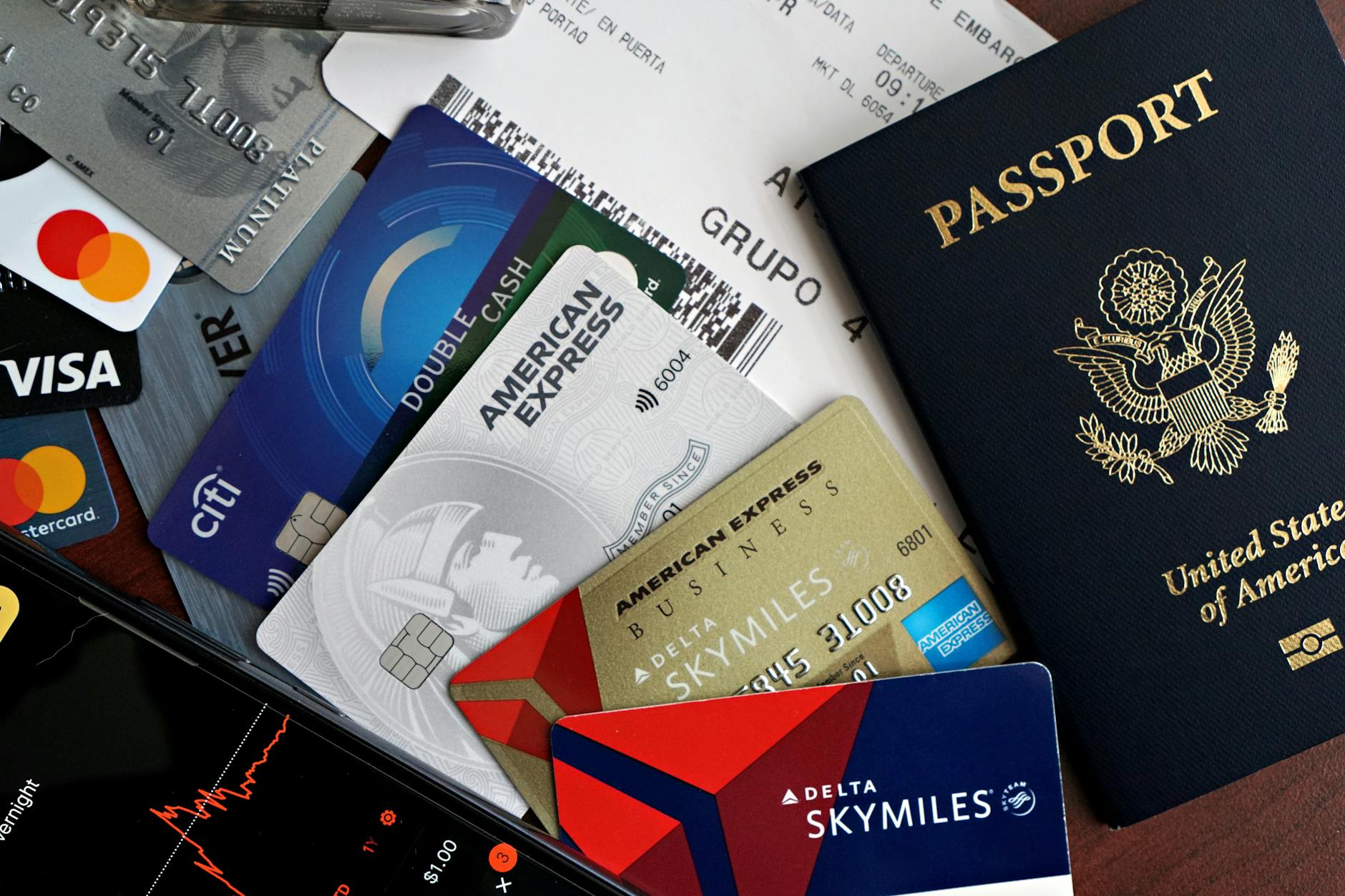
Referral and loyalty programmes already have one enormous advantage over cold acquisition: the audience trusts you. The challenge isn't convincing strangers. It's activating people who like your brand enough to stick around but haven't yet taken the step of recommending it or deepening their commitment. Video marketing is the format best suited to close that gap, because it doesn't just explain the mechanics of a programme. It makes participation feel worthwhile.
West Melbourne Studios works with brands at exactly this inflection point, building video content that turns existing customer relationships into growth channels. The principles below apply whether you're running a tiered loyalty scheme, a simple refer-a-friend offer, or something more elaborate.
Why video works differently here than in acquisition
Most video marketing discussions focus on top-of-funnel goals: awareness, reach, first impressions. Referral and loyalty video operates in a different emotional register. Your viewer already bought from you. They already chose you over a competitor. The video's job isn't to convince them you exist or that you're credible. It's to give them a reason to act on a commitment they've already made.
That changes everything about tone, length, and structure. You can be direct. You can use insider language. You can reference shared experiences. A 90-second video explaining a loyalty tier system doesn't need to spend 30 seconds establishing who you are. Your existing customer already knows. Skip to the value.
This is also why reciprocity in video marketing matters so much in this context. When you acknowledge a customer's loyalty on screen, name the tier they've reached, or show them what their referrals have unlocked, you're activating a deeply wired sense of fairness and gratitude. They gave you business. You're giving something back. The video that makes that exchange visible does more than communicate an offer. It makes the customer feel seen.
The three video formats that drive programme participation
Not every piece of content serves the same function in a referral or loyalty campaign. The most effective brands build around three distinct formats, each with a specific job.
The programme explainer. This is the foundational video most brands produce first, and most brands produce it badly. A loyalty programme explainer should run under two minutes and cover exactly three things: what a customer earns, how they earn it, and what they can do with it. Nothing else. The mistake is packing in terms, FAQs, tier diagrams, and edge cases. Save those for written documentation. The video's job is to make participation feel easy and desirable, not comprehensive.
The social proof activation video. This format features real customers talking about what they've got from the programme. Not testimonials in the traditional sense (though those help). More specific: a customer who cashed in loyalty points for something meaningful, or who referred a friend and received a reward they actually used. Specificity is everything here. "I got a free weekend upgrade" converts better than "I love the rewards." Film the specific moment, the specific reward, the specific reaction.
The milestone or trigger video. Sent at a specific moment in a customer's journey: when they reach a new loyalty tier, when they're close to a referral bonus, or when a reward is about to expire. These are short, personalised, and high-converting because they arrive at the precise moment a customer is primed to act. Even a 20-second video telling a customer they're "two referrals away from a free month" outperforms the equivalent email by a significant margin, purely because video commands attention in a way text doesn't.
Writing a script for a referral video
Referral video scripts fail in two predictable ways. The first is leading with the brand's need rather than the customer's benefit. "Help us grow" is not a compelling opening. "You get $50 every time a friend signs up" is. Start with the reward. The mechanics come second.
The second failure is vagueness. If your referral programme gives customers a credit, say the dollar amount. If it gives them a product upgrade, name the product. Vague language ("exclusive rewards," "special benefits") tells a viewer nothing and converts nobody. The principles behind writing a video marketing script that converts apply here too: clarity and specificity are the same thing as persuasion.
A strong referral video script follows this sequence:
- Open with the specific reward the viewer receives for referring.
- In one sentence, explain how to refer (a link, a code, an app feature).
- Name the reward the referred friend receives. Two-sided programmes convert faster than one-sided ones.
- Close with a single, direct call to action: where to go, what to tap, what to share.
Run time: 45 to 75 seconds. Anything longer loses the viewers most likely to act.
Where to place referral and loyalty videos in the customer journey
Placement matters as much as content. A beautifully produced loyalty programme video buried in a FAQ page will do almost nothing. The same video placed in a post-purchase email, timed to land 48 hours after a first order, can convert at rates that surprise even experienced marketers.
Post-purchase is the highest-intent moment outside of the transaction itself. A customer who just bought from you for the first time is, statistically, more open to brand communication than at almost any other point. That's the window for your programme explainer video.
Milestone trigger videos belong inside your CRM automation. Set them to fire when a customer reaches a tier threshold, when they've been inactive for 60 days, or when their loyalty balance crosses a redemption threshold. These aren't mass-broadcast videos. They're targeted, time-sensitive, and should feel personal even if the production is simple.
Social proof videos belong on the programme landing page, in retargeting ads served to existing customers, and as content shared by the customers themselves. The last one matters: if a customer shares a video about what they earned through your loyalty programme, that's organic referral content you didn't pay to produce. Build for shareability from the brief stage.
Measuring what's actually working
Referral and loyalty video campaigns are measurable in ways that brand awareness content isn't. Every piece of content maps to a programme metric: enrolments, referrals sent, referrals converted, tier upgrades, reward redemptions. If your video drives programme sign-ups but those customers never refer anyone, the explainer is working but the referral video isn't. If enrolments are high but redemptions are low, customers are joining but don't understand how to use what they've earned. Video can fix both of those gaps, but only if you know which one is the problem.
Track completion rate on trigger videos especially. A milestone video with a 30% completion rate is failing. For a two-sided referral offer with a specific dollar value, completion rates of 65% or higher are achievable because the viewer has personal financial incentive to watch to the end. If yours isn't reaching that, the problem is almost always in the first ten seconds: a slow opening, an unclear value statement, or too much brand-building before the reward is named.
For teams thinking about how this fits into a broader content system, the work of using social proof beyond testimonials in video marketing gives a useful framework for extending the logic across your entire campaign, not just the referral component.
Production considerations for loyalty and referral video
These videos don't need the same production scale as a brand campaign or a product launch. What they do need is clarity of image, clean audio, and fast editing. A shaky frame or muffled voice in a loyalty programme explainer undermines the implicit message: that your brand is worth recommending.
West Melbourne Studios recommends treating referral and loyalty videos as a modular system. Shoot a core programme explainer with evergreen language. Shoot separate cutdowns for each tier or reward category. Produce the social proof videos as a series so new ones can be added as new customer stories emerge. This approach keeps production costs contained while giving you the flexibility to personalise at scale, which is where these campaigns do their best commercial work.
The brands seeing the strongest results from loyalty video aren't necessarily spending the most. They're spending smartly, on the right formats, placed at the right moments, with scripts built around specific rewards rather than generic enthusiasm.