
Product sampling campaigns give potential customers direct, physical contact with a product before they've committed a dollar. That's a powerful position to be in. Yet most brands film sampling campaigns the same way they film everything else: a presenter holds up a product, says it's great, and the video ends. The result is content that wastes the single strongest asset sampling has, which is the moment of first reaction.
Done well, video in a sampling campaign doesn't just document the distribution of free product. West Melbourne Studios produces sampling campaign videos that carry three jobs at once: they extend the reach of the physical sample to audiences who didn't receive one, they capture authentic first-use moments that text and images can't replicate, and they create a content asset that keeps converting long after the sample run has ended.
Why sampling campaigns need a different video strategy
Most product videos pitch to strangers. A sampling campaign video speaks to two different audiences simultaneously: the people who just received a sample and need confirmation they should convert, and the wider audience who didn't get one but are watching to decide whether the product is worth pursuing. Those two groups have different psychological states and different information needs.
The person holding your sample already has purchase intent. They're not asking "is this real?" They're asking "will this work for me?" The video content aimed at them needs to be detailed, specific, and instructional enough to reduce any friction between the first experience and the second purchase. The broader audience watching online needs the sample moment to feel discoverable, genuine, and desirable.
Conflating those two audiences is the most common mistake in sampling video campaigns. A single hero video rarely serves both. A campaign needs at least two content layers.
The content layers that actually work
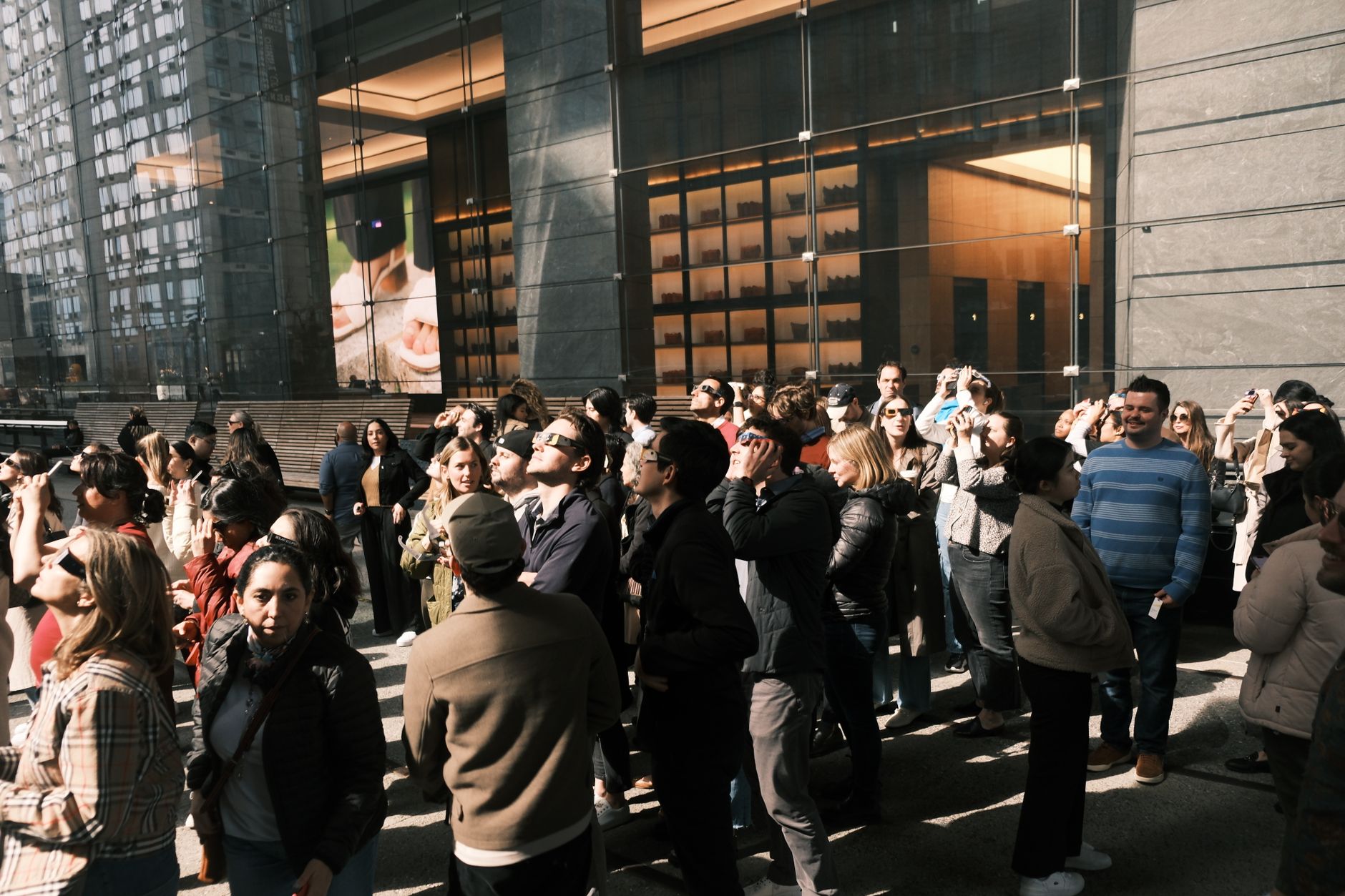
Layer one is the distribution moment. This is footage of the sampling itself: real people receiving product in real contexts, first-touch reactions, the physical sensation of opening or trying something new. This footage doesn't need to be heavily produced. It needs to feel present. Short, unpolished clips from a sampling activation at a market, a gym, or a retail pop-up carry authenticity that a studio shoot can't manufacture. West Melbourne Studios typically captures this layer in a documentary style, with a crew that stays small enough to avoid influencing the room.
Layer two is the conversion bridge. This is where the structured script comes in. A 60-to-90 second piece that acknowledges the viewer has just tried the product (or has just watched others try it), addresses the 2 or 3 most common questions that would stop a first purchase, and closes with a specific call to action. This layer borrows from the same discipline as product tutorial video, but it's timed and scripted for post-sample psychology rather than pre-purchase curiosity.
Layer three, which many brands skip entirely, is the longitudinal content: short follow-up pieces filmed 7, 14, and 30 days after the sample was distributed, showing continued use, habit formation, or visible results. This layer turns a one-time sample into an ongoing brand relationship.
Casting and authenticity
Sampling campaign video lives or dies on the believability of the people in it. Professional presenters are fine for layer two. They're usually wrong for layer one. The most effective sampling activation footage features real sample recipients, not hired talent pretending to be surprised.
Recruiting 3 to 5 real customers or community members who fit the target demographic, giving them the product before the formal activation, and filming their second or third use (rather than the performed first try) consistently produces more credible content than a staged reveal. It's slower. It requires more planning. The footage is significantly harder to fake-spot.
This connects to a broader principle in social proof video strategy: the moment an audience suspects they're watching a performance rather than a genuine response, the persuasive value collapses. Sampling campaigns already carry inherent credibility from the act of giving product away freely. The video shouldn't undermine that with obvious scripting.
Distribution: where sampling video goes wrong
Physical samples reach a bounded geography. A campaign at a Melbourne CBD activation might touch 2,000 people. The video from that activation, distributed properly, can reach 200,000. Most brands don't plan for that multiplier before the shoot happens, which means they arrive with a crew and no clear brief for the digital content that needs to come out the other side.
Before a single camera rolls, the distribution plan should answer four questions. Which platforms will the footage appear on, and what aspect ratio and length does each require? Will the video be gated behind an email capture or freely accessible? Is there a paid amplification budget to push the content to lookalike audiences of people who resemble past sample recipients? And is the campaign designed to generate user-created content from recipients themselves, which the brand can then curate and reshare?
That last question matters more than most brands realise. A sample recipient who films their own unboxing or first-use moment and posts it creates a third-party endorsement that no production budget can replicate. Prompting that behaviour through a simple mechanic, like a short-code hashtag printed on the sample packaging or a QR code linking to a "share your reaction" landing page, can double the campaign's total video output at near-zero incremental cost.
Measuring what matters
View counts don't tell you whether sampling video is working. The metrics that matter are conversion rate among sample recipients who watched the bridge video versus those who didn't, time-to-second-purchase, and the percentage of recipients who created their own content. These require a basic tracking setup: a unique URL or promo code printed on sample packaging, a landing page with the video embedded, and a follow-up email sequence that can be tagged against recipient cohorts.
West Melbourne Studios recommends embedding the layer-two conversion video directly into the post-sample email rather than linking out to a separate page. Completion rates for embedded video in that context are higher because the viewer is already in a receptive post-sample mindset. That same email should link to the layer-three follow-up content as it's published, creating an ongoing touchpoint sequence rather than a single send.
Product sampling campaigns are rare in that the marketing cost is already sunk in the physical product. The video that accompanies them is the mechanism that decides whether that investment pays back once, or keeps paying back for months. A brand that treats the video as a simple record of the event is leaving most of that return on the table.