
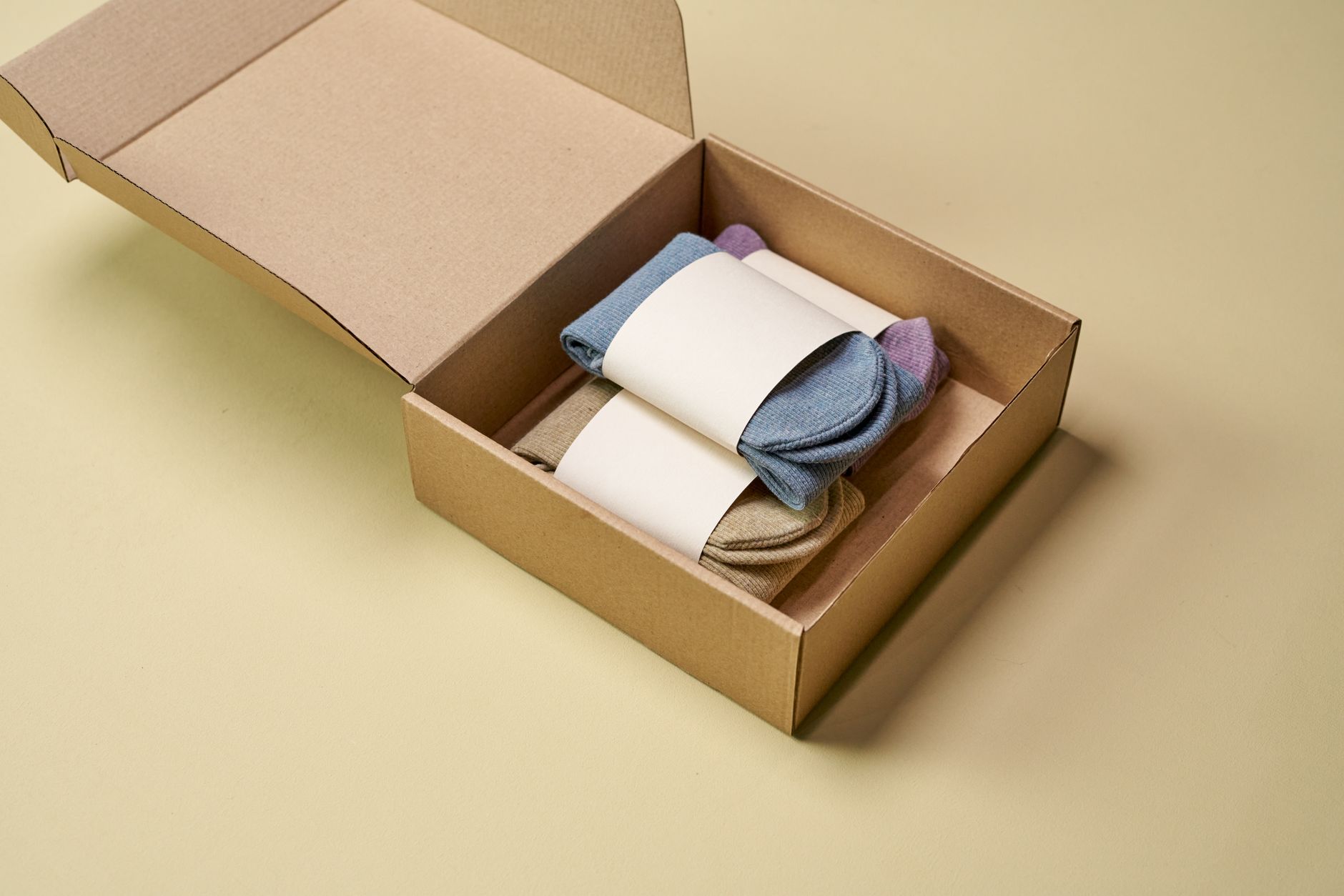
Product bundle video marketing sits in a gap most brands leave wide open. Bundles are common in e-commerce, subscription retail, gifting, and B2B software, yet the video creative that supports them is almost always a single-product ad with extra items stuffed into the frame. That mismatch costs conversions. A bundle isn't just a collection of products. It's a proposition: that these things belong together and are worth more combined than apart. Video is the format best suited to making that case, because it can show relationships, sequences, and moments in ways a static image cannot.
Why bundles need their own video logic
A standard product video answers one question: what does this do? A bundle video has to answer a harder question: why these, together, now? That's a story problem, not a product problem. Most brands solve it badly by cutting between items on a white background with a voiceover listing features. Viewers don't feel the value. They do maths instead, which is the least persuasive state you can put a buyer in.
The stronger approach is to anchor the bundle to a single situation. A skincare bundle becomes a morning ritual. A kitchen gadget set becomes a Sunday cook-up. A software bundle becomes a workday workflow. Situational framing lets the viewer project themselves into the video, and projection is what creates desire. The products don't need to sell themselves individually. They need to feel inevitable together.
This is where sensory language in video scripts becomes particularly useful for bundles. Words and visuals that evoke texture, temperature, smell, and sound make a collection of objects feel like a lived experience rather than an inventory list.
Three video formats that actually work for bundles
Not every bundle needs the same treatment. Format choice depends on what the bundle is trying to do: launch at full price, clear existing stock, or convert warm audiences who've already seen individual products.
The ritual video. This is the most effective format for lifestyle and gifting bundles. A single person, a single occasion, every product used in a natural sequence. The goal is immersion, not demonstration. Runtime: 30 to 60 seconds. No voiceover unless the brand voice is genuinely distinctive. Let the images and a well-chosen music track do the work. This format performs best on Instagram and paid social.
The comparison cut. Best suited for B2B or high-consideration retail, where the buyer is weighing the bundle against buying components separately. Show the individual prices briefly, then cut to the bundle price. The contrast is the argument. Keep it tight: 20 seconds is often enough. This format works well as a pre-roll or a retargeting ad because it rewards viewers who already know the individual products.
The gift-occasion video. A short narrative built around gifting: a birthday, a housewarming, an anniversary. The bundle is positioned as a complete gift, not a discount. This format dramatically reduces buyer decision fatigue because it removes the question of whether the gift is enough. A 45-second version works on YouTube; a 15-second version cuts to TikTok and Stories. The casting matters here. The person receiving the bundle needs to look genuinely pleased, not performatively surprised.
What to do before the camera rolls
Bundle video production fails most often in pre-production. Three decisions made before filming determine whether the final video actually converts.
First, decide on the lead product. Every bundle has one item that anchors it. Lead with that product visually and give it the most screen time. The other items are supporting cast. If you try to give every item equal weight, the video loses focus and the viewer loses the thread.
Second, write a single-sentence bundle proposition before you write the script. Not a list of features. One sentence that completes the phrase: "This bundle is for people who want to ___." If you can't finish that sentence, the bundle isn't ready to be filmed. The proposition becomes your creative filter: every shot, every line, every music choice either supports it or doesn't.
Third, plan the physical arrangement of your products. Bundle videos require more set design thinking than single-product videos because you're managing the visual relationship between multiple objects. Flat lay, hero stack, sequential use, or lifestyle spread: each has a different effect on how the viewer reads the bundle's value. Don't figure this out on set.
Connecting bundle video to the broader campaign
A bundle video that sits alone on a product page does a fraction of the work it could. The strongest bundle campaigns use a short awareness video at the top, a comparison or testimonial format in the middle, and a scarcity or urgency frame at the bottom. Each format does a different job in the buying journey.
If you're running a seasonal bundle, the video calendar matters. The awareness video should go live before the purchase window opens, not during it. Viewers need time to become familiar with the bundle before the decision moment arrives. A product bundle campaign launched two weeks before a key retail moment consistently outperforms one launched the week of. The video does the emotional work in advance so the conversion moment feels easy, not pressured.
Understanding how scarcity and urgency work inside video is worth thinking through carefully here. Bundles are natural candidates for limited-time framing because they genuinely are finite: the combination at that price, in that packaging, for that occasion, won't exist indefinitely. That's a real constraint, not a manufactured one, and viewers can feel the difference.
Measuring bundle video performance correctly
Standard video metrics (view count, completion rate) tell you almost nothing about whether a bundle video is working. The metric that matters is add-to-cart rate from viewers who watched at least 50 percent of the video. That number tells you whether the video is doing its commercial job. If it's low and completion rates are high, the video is holding attention but not building desire: a script and proposition problem. If completion rates are low, the video is losing people before the value registers: a hook and pacing problem.
Track bundle video performance separately from individual product video performance. Bundles convert on different timelines and through different emotional mechanisms. Averaging them together hides what's actually working. West Melbourne Studios recommends clients set up separate UTM parameters for bundle-specific video traffic so the data stays clean from the first day of the campaign.
Bundle campaigns also tend to generate richer comment data than single-product campaigns, because viewers have more questions (what's included, is it available in other configurations, can you buy items separately). The comment section on a bundle video is one of the fastest ways to understand how buyers are processing the offer, and that intelligence should feed directly back into the next iteration of the script. If you're not reading those comments as campaign data, you're leaving insight on the table. Using comment sections to improve video marketing is a discipline most brands haven't formalised yet, and bundle campaigns are an ideal place to start.