
Podcast launches are one of the most common places video marketing gets ignored. The logic feels sound: it's an audio product, so promote it with audio. What that reasoning misses is that the discovery problem is a visual one. Most listeners find new shows on social feeds, YouTube search, and recommendation algorithms, all environments where video wins first contact. A well-structured video marketing campaign built around a podcast launch closes that gap before the first episode ever drops.
Why video and podcasting work better together than most creators expect
Audio content has a cold-start problem. A new listener can't skim a podcast the way they can skim a blog post or scroll a carousel. They have to invest time before they know whether the show is for them. Video solves this by compressing the pitch. A 60-second trailer that shows the host, captures the energy of the conversation, and names the specific audience the show serves does more audience qualification work than any episode description ever written.
West Melbourne Studios produces podcast launch video content that treats the show's premise as a story rather than a product announcement. That distinction matters. A product announcement tells people what exists. A story tells people why it was made and who it's for. The second approach converts at a meaningfully higher rate because it gives prospective listeners something to place themselves inside.
The other thing video does is make the host recognisable. Podcasting is an intimate medium, and listeners who feel they already know a host before the first episode are far more likely to subscribe and stay. A short documentary-style video that introduces the host's background, the problem they're solving, and the guests they've lined up creates that familiarity before a single minute of audio is published.
The four video assets that drive a podcast launch
Not every podcast launch needs a full production suite. Four video formats do the heaviest lifting, and each serves a different stage of the awareness funnel.
The first is a launch trailer of 60 to 90 seconds. This is the flagship piece: the host to camera, tight editing, and a clear articulation of who the show is for and what they'll get. It lives on YouTube, appears in social ads, and anchors the show's website page. Everything else drives traffic to it.
The second format is a clip series drawn from pre-recorded episodes. Even before launch day, most podcast hosts have recorded two or three episodes. Cutting these into 30 to 90 second vertical videos, with the best 20 seconds of a guest conversation or the sharpest insight from a solo episode, gives the algorithm something to surface. Each clip is a micro-trailer for the full episode it came from.
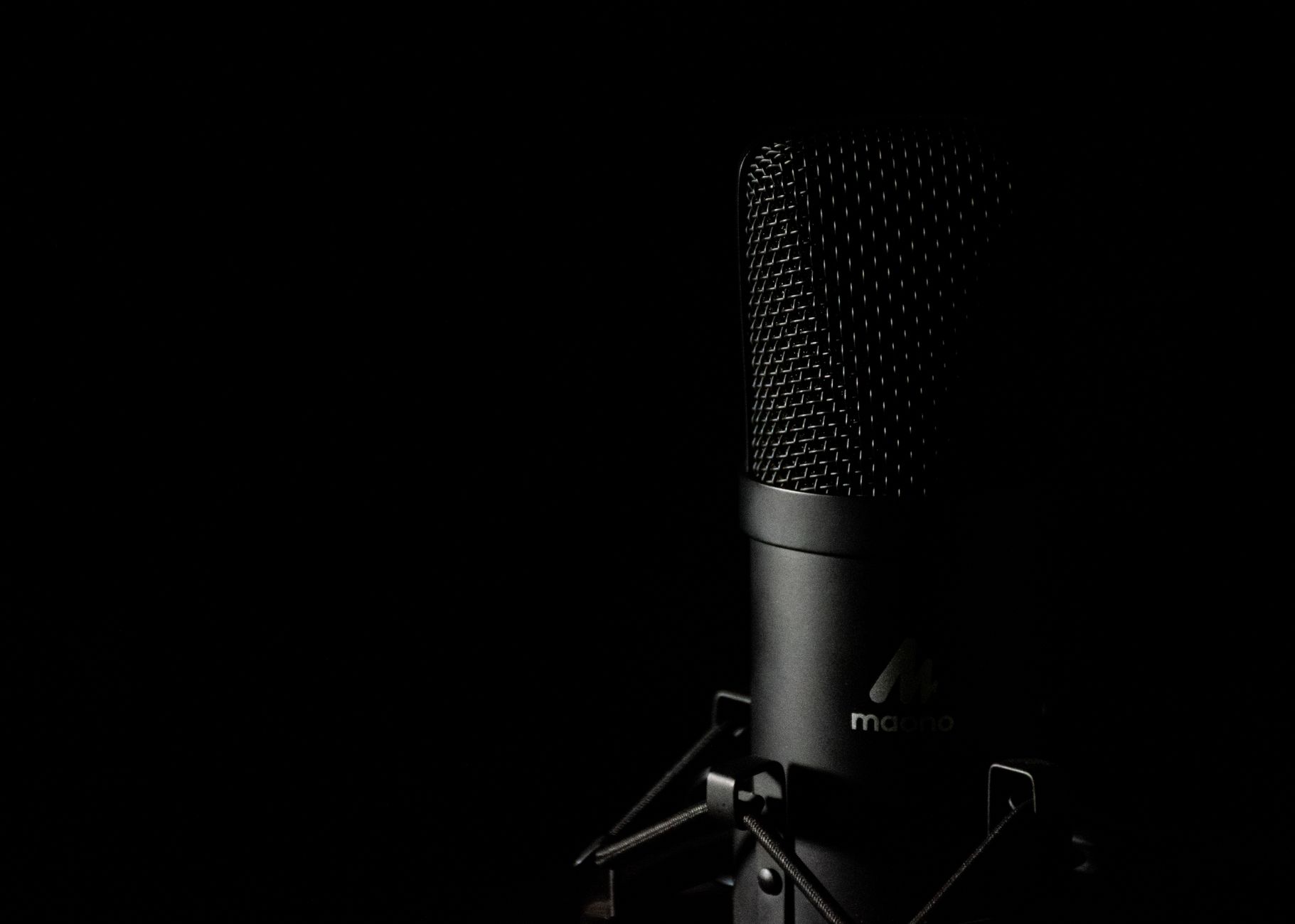
The third format is a behind-the-scenes setup video. Audiences are genuinely curious about how podcasts are made. A short video showing the recording space, the microphone setup, and the host preparing for an interview builds anticipation while humanising the production. It doesn't need to be long. Two minutes is enough.
The fourth format is a guest spotlight reel. If the launch includes notable guests, a one-minute video per guest, cutting together the most compelling 30 seconds of their conversation with a brief introduction, turns the guest's existing audience into a discovery channel. When the guest shares it, the show reaches an audience that already trusts the person on screen.
How to sequence the video rollout before and after launch day
Timing the release of these assets is as important as producing them. Dropping everything on launch day wastes the momentum that pre-launch video can build. The stronger approach runs in four stages.
Three to four weeks before launch, publish the behind-the-scenes setup video and the host introduction. These seed the algorithm and begin building a subscriber base before there's anything to subscribe to. The goal here isn't views; it's email capture and social follows.
One to two weeks out, start releasing guest spotlight clips. One per day on the platforms where your target audience is most active. Each one should include a clear call to action pointing to the show's website and a subscribe link.
On launch day, the trailer goes live everywhere simultaneously. Paid distribution on YouTube and Meta is worth the spend at this stage. The organic reach of a new show is low by definition, so paid amplification of a genuinely well-made 90-second video is a far better use of budget than producing more content nobody finds. The principles behind product pre-launch teaser video strategy apply here directly: build the audience before you need them.
In the weeks after launch, the clip series sustains momentum. Each episode generates three to five vertical clips that keep social feeds active and give the algorithm consistent publishing signals.
Matching video style to the podcast's tone
A business strategy podcast and a true crime show need completely different video aesthetics. This sounds obvious, but it's the mistake most launch campaigns make: they default to a generic talking-head format regardless of what the show actually sounds like.
Interview-led shows benefit from multi-camera setups that cut between host and guest. The visual rhythm mirrors the conversational energy of the audio. Solo shows work better with dynamic single-camera setups, motion graphics, and tighter editing. Narrative documentary podcasts need short cinematic sequences that borrow from the visual grammar of the content itself.
West Melbourne Studios approaches podcast launch video the same way it approaches any brand storytelling through video brief: the form follows the feeling the audience is supposed to have, not the other way around.
Measuring what actually matters in a podcast launch campaign
Video metrics for a podcast launch are different from video metrics for a product campaign. Views and watch time matter, but they're upstream of the number that actually counts: RSS subscribers in the first 30 days.
The most reliable signal that your video campaign is working is a sustained lift in subscribe-to-view conversion from your trailer. If 1,000 people watch the 90-second launch trailer and 150 follow to subscribe, the creative is working. If 1,000 people watch and 12 subscribe, the trailer is generating awareness but failing at conversion, usually because the value proposition isn't clear enough or the call to action is buried.
Clip performance tells a different story. A clip that gets 10,000 views but drives no subscriptions is reaching the wrong audience or the wrong platform. A clip that gets 2,000 views and drives 300 subscriptions is working hard. Numbers without context are noise. The only metric that matters for a launch campaign is whether the video is converting viewers into listeners.
West Melbourne Studios builds podcast launch video campaigns that track this conversion loop from the first brief. The goal isn't a beautiful trailer. The goal is a show that starts with an audience already waiting to hear it.