
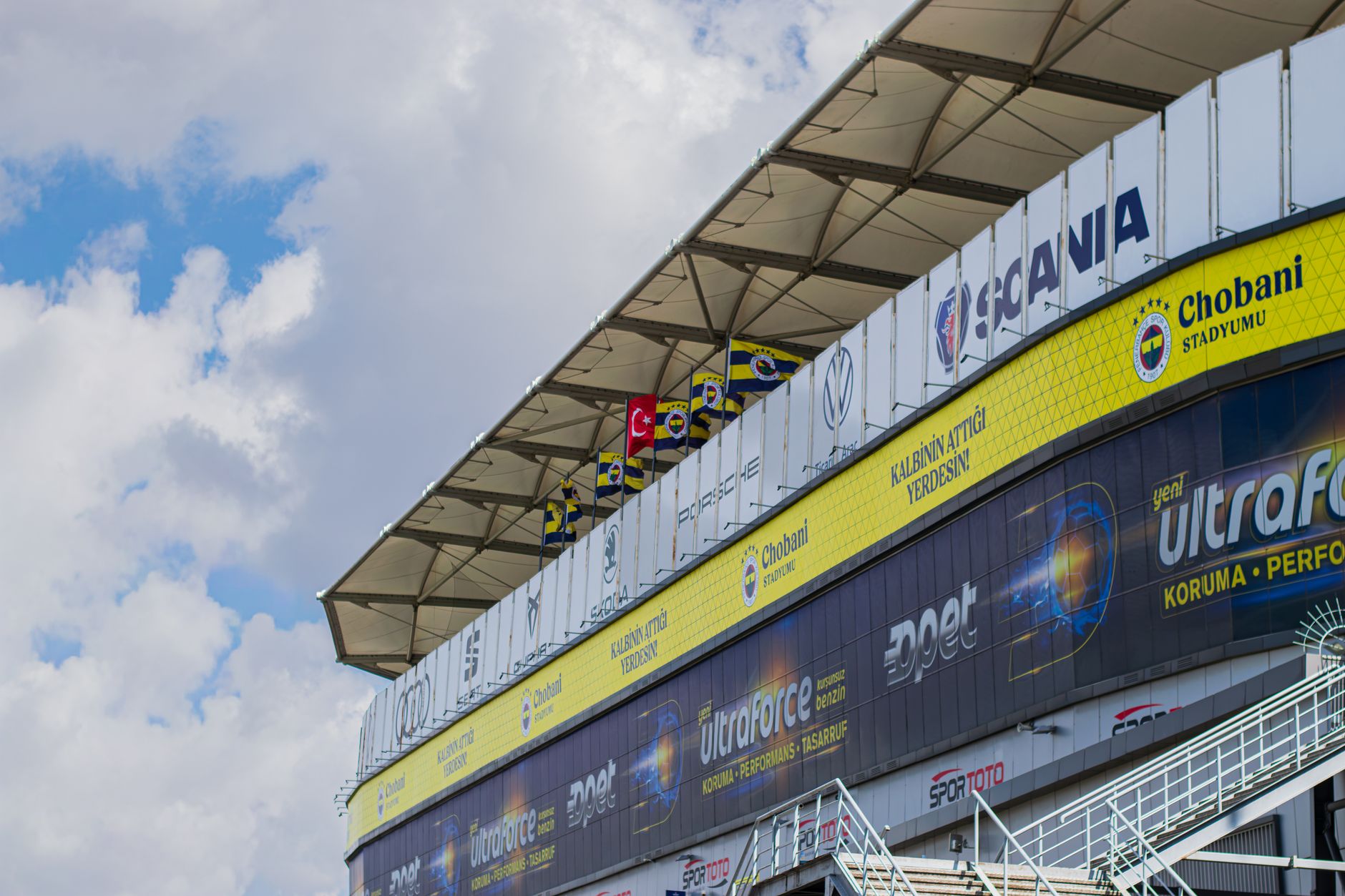
Event sponsorship activation is one of the most expensive, least measured corners of a marketing budget. A brand will spend tens of thousands securing naming rights or a major sponsorship tier, then rely on a banner, a branded booth, and a social post to do the work. Video changes that equation entirely. Used deliberately across the event lifecycle, video turns passive brand presence into content people actually remember.
Why most sponsorship video fails before the event ends
The most common mistake is treating event video as documentation. A crew shows up on the day, films some crowd shots and a talking head from the marketing manager, then cuts a recap reel that the sponsor's LinkedIn page posts once and forgets. That content has no tension, no story, and no reason for anyone outside the organisation to share it.
Strong sponsorship activation video starts with a question: what does our audience care about at this event? Not what the brand wants to say. What the audience is there to feel, learn, or experience. The answer to that question is the brief. Everything else follows from it.
Sponsorship content that works uses narrative tension to create something worth watching. A sports sponsor filming athlete preparation rather than the podium ceremony. A tech brand capturing the problem a conference session addresses rather than the sponsor slide. These choices put the audience at the centre, which is where attention lives.
The three phases of event sponsorship video
Splitting production across three phases multiplies the content volume without multiplying the shoot days. It also keeps the brand present before, during, and after the event, which matters for recall.
Pre-event: Teaser content, countdown formats, and interview-based previews with speakers, athletes, or performers. This is the phase most sponsors skip entirely, even though it's where anticipation is highest and competition for attention is lowest. A 45-second teaser filmed six weeks out can seed an audience before a single competitor publishes anything.
During the event: This is where real-time and near-real-time content earns its keep. Short-form clips (30 to 60 seconds) from the floor, compiled within hours and pushed to social, signal that the brand is genuinely inside the event rather than plastered on the outside of it. Interviews captured here feed the post-event archive.
Post-event: The recap, the highlight reel, the extended interview cuts. This phase has the longest shelf life but also the most competition. Speed matters. A sponsor who publishes a quality recap within 48 hours captures the audience while the event is still emotionally present.
Formats that consistently outperform the generic recap
The recap reel is not dead, but it needs to earn its place. Three formats reliably outperform it for sponsorship contexts.
The first is the access film. Brands with genuine access to athletes, performers, or keynote speakers should use it. A 3-to-5 minute film following a speaker through their preparation, the backstage hour, and the post-session debrief is content that the event organiser, the speaker's own network, and the brand's audience all want to watch. One shoot generates multiple cut-downs.
The second is the audience reaction format. Not vox pops. Structured, filmed moments where attendees describe a specific shift in thinking the event produced. These are close cousins of customer success storytelling video, and they carry the same credibility because a real person is speaking without a script.
The third is the explainer-in-context. If a brand sponsors a conference session on a topic connected to their product category, filming a short explainer video at the venue, using the session's theme as the hook, connects the brand to expert territory rather than logo territory. This format works especially well for B2B sponsors in professional services, technology, and finance.
Integrating video into the sponsorship package negotiation
Most sponsors negotiate venue placement, logo size, and MC mentions. Few negotiate content rights. This is a significant missed opportunity.
Access to speakers for a 15-minute pre-event interview is worth more than a logo on the main stage backdrop. Filming rights in areas closed to general attendees is worth more than a full-page ad in the event programme. Permission to use event branding and footage in post-event distribution extends the activation window by months.
These are negotiable. Event organisers need sponsor content to fill their own channels. A well-resourced sponsor with a production crew is offering the organiser value, not just extracting it. Frame the video production access as a co-production arrangement and most organisers respond well.
Measuring what sponsorship video actually delivers
Reach and impressions are easy to report and largely useless for justifying renewal. The metrics that connect sponsorship video to commercial outcomes are harder to collect but far more defensible.
Brand recall lift is the most direct measure. A simple pre- and post-event survey sent to a defined audience segment, asking whether they associate the brand with the event category, gives you a percentage-point shift you can present to a CFO. View-through rate on distributed video tells you whether people watched past the 10-second mark, which correlates with message retention. Lead attribution from post-event landing pages tells you whether the content drove action.
The measurement plan needs to be built before the event, not assembled from whatever data is available afterwards. This is the same principle that underpins any solid video marketing strategy: decide what success looks like first, then design the content to generate the evidence.
What West Melbourne Studios brings to sponsorship activation
West Melbourne Studios produces event sponsorship video across corporate conferences, sporting events, and brand activations. West Melbourne Studios handles the full production cycle: pre-event planning and scripting, on-site multi-camera capture, and post-production turnaround timed to the event schedule. For sponsors who need content live within hours of a session ending, West Melbourne Studios builds that workflow into the brief from day one.
The result is video that serves the sponsor's commercial goals, respects the event audience, and gives the organiser content worth sharing. Not a recap reel. A proper activation.