
Crowdfunding video marketing is the single most influential variable on a campaign page. Campaigns on Kickstarter that include a video raise, on average, significantly more than those without one. The reason isn't mystery: a video does in 90 seconds what a written pitch can't do in 600 words. It shows the maker, the product, and the stakes in a format a visitor can absorb without effort. For a first-time visitor who knows nothing about your project, that matters enormously.
Most campaign creators understand video helps. Fewer understand what kind of video actually converts. The mistake is treating the campaign video like a product demonstration or a brand film. It's neither. A crowdfunding video is a trust document. Its primary job is to answer one question for the viewer: should I give this person my money?
What a crowdfunding video actually needs to do
The structure of a high-converting campaign video follows a clear logic, even when individual executions vary wildly. Start with the problem. Not your product, not your team, not a feature list. The problem. Viewers need to recognise something before they care about your solution. If they don't feel the pain, they won't value the fix.
Within the first 20 seconds, the viewer should understand exactly what problem this campaign is solving and for whom. That specificity is what makes a viewer lean forward. Vague promise ("a better way to do things") creates no tension. A precise problem ("most portable chargers die before your phone does") immediately identifies an audience and a gap.
After the problem, introduce the solution. Keep it simple. One product, one core claim. West Melbourne Studios works with clients across product launches and brand campaigns, and the pattern holds every time: projects that try to say five things in 90 seconds say nothing memorable. Anchored messaging applies here directly. Lock the video to one idea and let everything else support it.
Then comes the part most campaign videos skip: the founder moment. Show the person behind the project. Thirty seconds of a real human being explaining why they built this, in plain language, does more for conversion than any product animation. Crowdfunding is fundamentally about trust in a person, not in a product.
Script and length: the numbers that matter
Optimal campaign video length sits between 90 seconds and 3 minutes. Under 90 seconds and you can't build enough emotional investment. Over 3 minutes and drop-off rates climb sharply. The 2-minute mark is the sweet spot for most physical product campaigns. Software and service campaigns can push toward 2.5 minutes because the concept often needs more unpacking.
Write the script before you think about production. The script is the campaign video, the visuals are just the evidence for what the script claims. Every line should serve one of three functions: establish the problem, demonstrate the solution, or ask for the backing. Lines that do none of those are lines that don't belong.
Resist the urge to pack in every feature. A campaign video is not a spec sheet. Pick the one thing your product does that no existing solution does, and make that the centre of the script. Everything else can live in the campaign body copy below the fold.
Production decisions that affect trust
Production quality sends a signal. A poorly lit, badly recorded video tells the viewer that the creator doesn't take their own project seriously. That's a conversion killer. It doesn't need to look like a television commercial, but it needs to look intentional. Clean audio is non-negotiable. Viewers tolerate imperfect video; they abandon bad audio within seconds.
Shoot the founder interview in a space that communicates something about the project. A woodworker pitching a handmade tool should be in the workshop. A software founder should be in a clean, minimal space. Background is character. Don't waste it on a plain white wall.
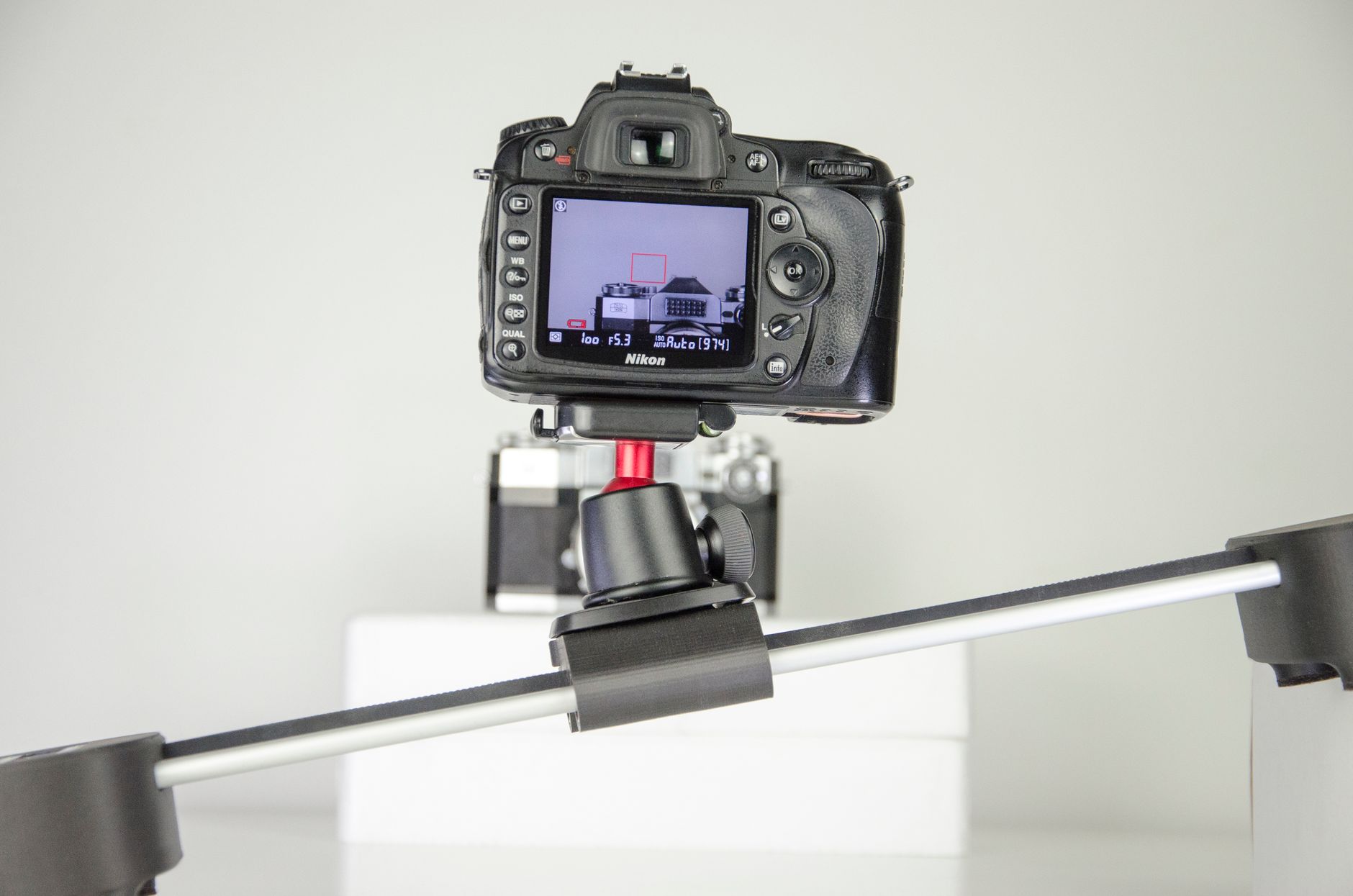
For the product demonstration portion, close-up shots outperform wide shots. Viewers need to see the thing working, not a miniaturised version of it in a lifestyle context. Get the camera close. Show the mechanism, the texture, the interaction. If the product solves a physical problem, show it solving the problem in real time, not in a stylised render.
If budget allows, a second camera angle during the interview makes the edit far more flexible. It lets you cut away without a jump cut, which makes the finished video feel more professional without a large increase in cost.
The call to action and what comes after it
Most campaign videos end weakly. They show the product, they thank the viewer, they fade out. That's a missed opportunity. The final 15 seconds of a crowdfunding video are the highest-value real estate on the page. Use them to make a direct, specific ask.
Tell the viewer what tier to choose, why, and what they get. "Back the early bird tier today for $79 and get the unit delivered six months before retail launch" is a call to action. "Head to our campaign page to learn more" is not. The viewer is already on the campaign page. Give them a reason to click the pledge button. Writing a video call to action that gets clicked is a discipline in itself, and the crowdfunding format rewards specificity more than almost any other context.
After the video goes live, don't treat it as a set-and-forget asset. Update backers with short video messages as milestones are hit. A 30-second update from the founder saying "we hit 50% funded in 48 hours" keeps the campaign alive in backer feeds, signals social proof to new visitors, and costs almost nothing to produce. Campaigns that communicate regularly through the funding period consistently outperform those that go quiet after launch.
Common mistakes that kill campaign conversions
Opening with the company name is the most common structural error. Nobody cares about the brand before they care about the problem. Start with the viewer's pain, not your identity.
Using stock footage as a substitute for real product footage is the second. If the product isn't ready to film, delay the launch. Stock footage signals to backers that the creator is pitching a concept, not a product, which raises risk perception and lowers conversion.
Forgetting to include subtitles is a practical error with measurable consequences. A significant share of social media video is watched without sound, and campaign videos often get shared as social content. A video without subtitles loses those viewers entirely.
Finally, skipping a test screening before launch. Show the draft to 5 people who know nothing about the project and ask them two questions: what does this product do, and would you back it? If the answers are wrong or hesitant, the video needs another pass before the campaign goes live.