
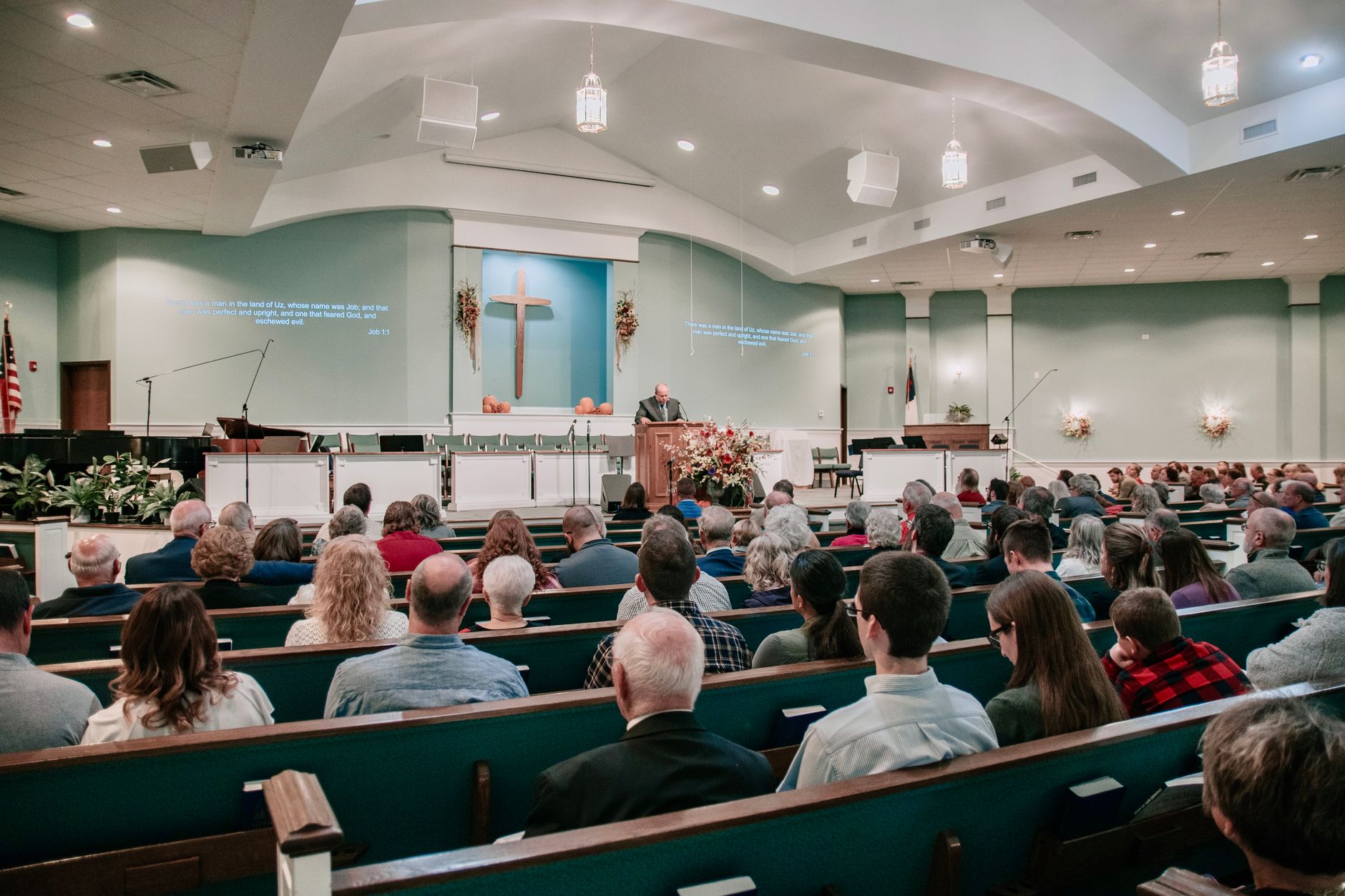
Church and faith community outreach is one of the most emotionally loaded communication challenges any organisation faces. The audience is already primed for meaning. The stories are real and often extraordinary. Yet most congregations treat video as an afterthought: a shaky smartphone recording of Sunday's sermon uploaded without a plan. That gap between the story available and the content produced is where video marketing can make an immediate difference.
Why video works differently for faith communities
Faith-based audiences are not passive consumers. They share content when it reflects something they believe in, when it feels authentic, and when it speaks to people they care about. That social behaviour is a distribution advantage most secular brands spend years trying to manufacture. A well-made short video of a congregation member describing a moment of genuine transformation can reach 5,000 people before a paid ad is ever placed.
The key is understanding what kind of content earns that behaviour. Announcement videos don't. Event recaps rarely do. What travels is testimony, human struggle, and specific moments of connection. Treat the congregation as a cast of real people with real stories, not a background for a logo.
Four content types that actually work
Not every video format suits a faith community's goals. These four have consistently produced results across churches of different sizes and denominations.
- Testimony videos. A single person, one camera, honest language. Keep them under three minutes. The story arc matters more than production quality.
- Sermon excerpts. Two to four minutes pulled from a longer message, edited around one clear idea. These work well as mid-week social posts for people who weren't there on Sunday.
- Community events. Footage from outreach programs, charity days, or community meals. Focus on faces and interaction rather than logistics.
- Pastoral messages. A direct-to-camera address from a lead pastor or elder, speaking personally to a current moment in the community's life. Keep it short and conversational.
Choosing where to distribute
YouTube remains the most important long-term platform for faith communities. Sermon content and testimony videos sit well in YouTube's search environment, where people actively look for topics like grief, forgiveness, and belonging. A video SEO strategy matters here: titling videos around what people actually search for, not around internal jargon, is what separates channels that grow from ones that plateau at 200 views.
Facebook still reaches older congregation demographics effectively, particularly for event promotion and community announcements. Instagram and TikTok suit shorter devotional content, quotes with visuals, and behind-the-scenes footage from community programs. The mistake most churches make is trying to maintain all platforms at once with inconsistent effort. Pick two and do them properly before expanding.
Production quality and what it signals
Production quality communicates intention. It doesn't need to be expensive. It needs to look deliberate. Good audio matters more than a cinema-grade camera. A clip recorded on a newer smartphone with a lapel microphone, steady framing, and decent light will outperform a lazy shoot on a cinema camera every single time.
West Melbourne Studios produces faith community video across a range of formats and budgets. The most effective work typically combines a half-day shoot with a clear content plan: 3 or 4 testimony interviews, one pastoral message, and B-roll of the community space and programs. That material fuels 6 to 8 weeks of social content when edited properly.
Building a content rhythm without burning out your team
Volunteer-run communications teams are stretched. The solution is batching. Schedule one focused shoot per quarter and use the footage strategically across the following weeks. This is the same logic that underpins drip campaign thinking in video marketing: produce once, distribute with intention over time, rather than scrambling to create something new every week.
A simple planning document with 12 distribution dates, matched to the content captured in a single shoot, removes most of the weekly pressure. Each post should have a clear purpose: invite, encourage, explain, or celebrate. Those four categories cover almost every need a faith community has in a given week.
The call to action question
Every video needs a next step, but the call to action in faith community outreach works differently from commercial video. Asking someone to "come this Sunday" in the first video they ever see from your community is too fast. The stronger approach mirrors what experienced marketers describe as a nurturing sequence: build trust first with content that gives something freely, then ask for something when the relationship has earned it.
That might mean four weeks of testimony and community content before a direct invitation video. It might mean a short documentary about a local program before a volunteer recruitment post. The sequence builds context. Context builds trust. Trust converts.
Measuring what matters
Faith community video success isn't always measured in conversions. Watch time, shares, and direct messages are more meaningful indicators for outreach content. If people are watching to 80 percent completion and sharing testimony videos with family members who don't attend, the content is working. Track those numbers alongside attendance data and new visitor surveys, and over time the correlation becomes clear.
The communities doing this well right now aren't the largest ones. They're the ones with a clear voice, a consistent output, and a genuine story to tell. That combination is available to almost any congregation willing to treat video production as seriously as they treat Sunday morning.