
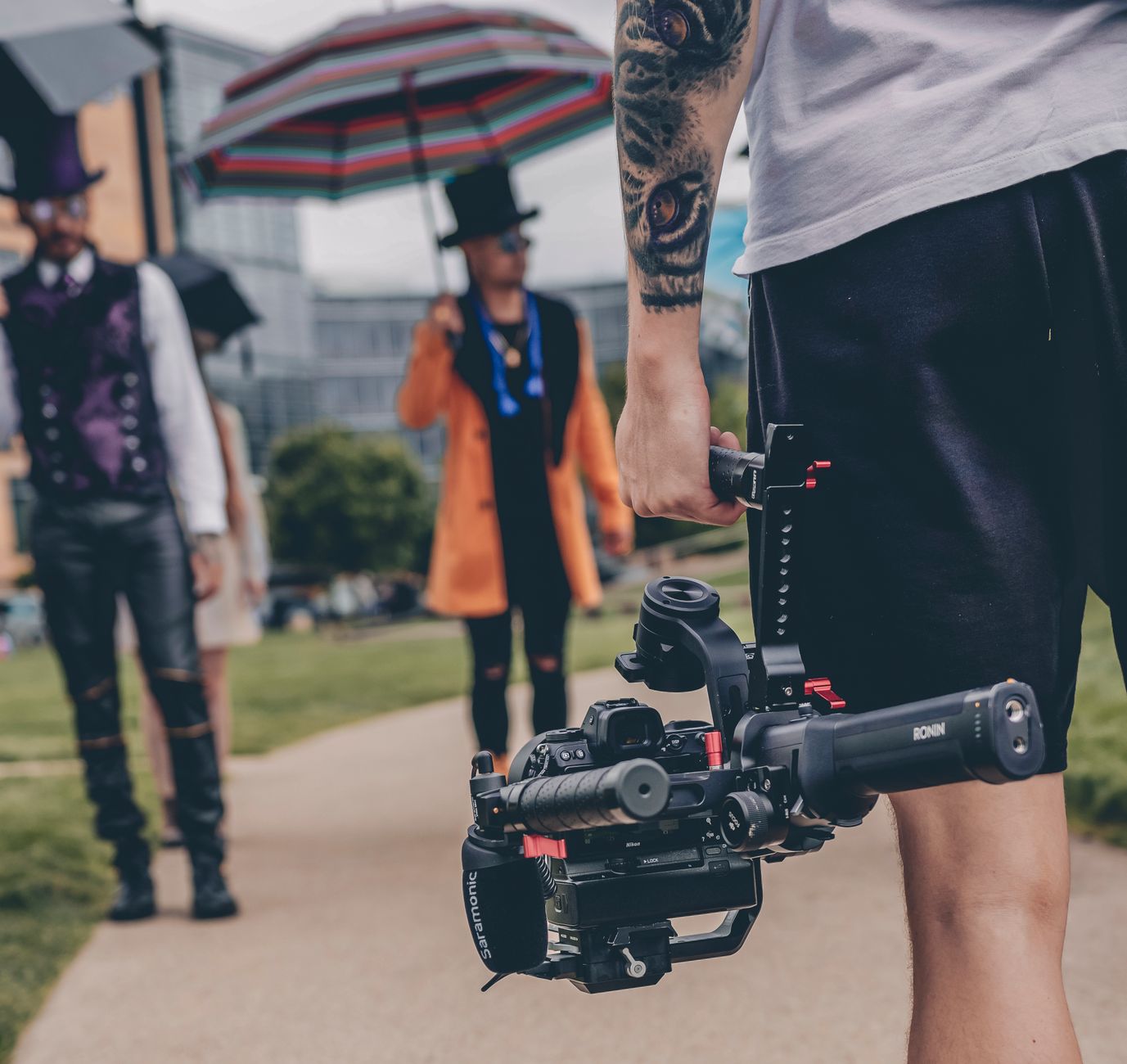
Cause-based product launches sit at a tricky intersection. The product needs to generate revenue. The cause needs to feel genuine. And the video marketing has to hold both of those truths on screen at once without letting either collapse into the other. Most brands get this wrong by burying the product in mission language, or by tacking a charity angle onto a standard product ad and expecting audiences to care. Neither approach works for long.
West Melbourne Studios produces cause-based launch campaigns for brands that need both commercial momentum and genuine conviction in their video content. The format rewards careful planning more than almost any other in video marketing, and the mistakes are public when they happen.
Why cause and product need equal weight in the script
The instinct for most brands is to lead with the cause and trail in the product. It feels more selfless. It isn't, and audiences clock it immediately. A video that opens with sweeping shots of a problem being solved and lands on a product shot in the final three seconds reads as a bait-and-switch. The viewer came for the mission and got an ad.
The stronger approach is to make the product the mechanism through which the cause becomes possible. The product isn't the afterthought. It's the answer. That means the script has to establish three things in sequence: what the problem is, why this product exists as a response to it, and what purchasing the product actually enables. That structure keeps the audience with you from the opening frame to the call to action.
Anchored messaging is the discipline that keeps this structure tight. Using anchored messaging in video marketing scripts means fixing one central idea at the core of every scene so that the cause and the product are always pulling in the same direction rather than competing for the viewer's attention.
The credibility problem with cause-based video
Scepticism is the default state of most audiences watching a cause-based campaign. They've seen enough cause-washing to recognise the aesthetic: soft lighting, uplifting music, carefully cast faces representing the affected community. When a video looks like every other purpose-driven campaign, it signals to viewers that the brand has hired a production team to perform sincerity rather than demonstrate it.
Three production choices separate credible cause-based video from its performative cousins:
- Specificity over abstraction. Name the exact organisation, community, or measurable outcome the campaign supports. "We donate 5% of every sale to the Royal Flying Doctor Service" is credible. "A portion of proceeds goes to helping communities in need" is not.
- Unscripted voices. If the people most affected by the cause appear on screen, they should speak in their own words, not language a marketing team drafted for them. Audiences recognise coached delivery within seconds.
- Transparency about what the product does and doesn't do. Overpromising a social outcome erodes trust faster than any competitor can. Say what the launch will actually achieve and let that be enough.
Social proof built into the video itself accelerates credibility. Using social proof beyond testimonials in video marketing gives a cause-based launch the third-party validation that a brand's own voice can never fully provide.
Structuring the campaign across multiple video assets
A cause-based product launch isn't a single hero video. It's a sequence of assets that each do a different job, and the sequencing matters as much as the individual pieces.
The hero film runs between 60 and 90 seconds and carries the full emotional and narrative weight: the problem, the product, the cause, the ask. It lives on the brand's website, YouTube, and any paid placements targeting warm audiences who already recognise the brand.
The cause-focused cut runs 30 seconds and goes deeper on the mission without touching the product directly. It targets cold audiences who haven't encountered the brand yet. It earns attention before asking for anything.
The product-focused cut runs 15 seconds and is built entirely for conversion. It assumes the viewer already understands why the brand is doing this and now just needs a reason to buy. It goes to retargeted audiences who have seen the longer formats.
Each cut should feel like it belongs to the same world without repeating itself. That means a consistent visual grammar, the same music bed, and the same one or two faces appearing across all three. Viewers who encounter all three formats in sequence experience a campaign that deepens rather than repeats itself.
Common mistakes in cause-based video launches
The most expensive mistake is conflating launch day with campaign completion. A cause-based video that airs once, earns warm attention on day one, and then disappears has done a fraction of its potential work. The cause gives the campaign an ongoing news peg. Every milestone, every dollar raised, every community outcome is a reason to publish a follow-up video and bring the audience back into the story.
The second mistake is producing the video without involving the cause partner in the creative process. Brands that brief their production team without including the organisation they're supporting end up with visually polished content that misrepresents the cause in subtle ways. The organisation knows its own story. Bring them into the room before the script is written, not after the edit is locked.
The third mistake is treating the video as emotionally self-contained. Narrative tension is what keeps a viewer watching until the call to action lands. Using narrative tension in video marketing is what transforms a cause-based video from a feel-good viewing experience into a campaign that actually drives purchases and donations.
What success looks like beyond the view count
View counts are the worst metric for a cause-based product launch. A video can accumulate a million views and move neither units nor donations if it never made the cause feel urgent enough to act on.
The metrics that matter are: conversion rate on the product page visitors who watched the video, average order value compared to non-video traffic, and the percentage of purchasers who share the campaign after buying. That last number is the one most brands don't track. A cause-based launch that triggers sharing is performing at a different level entirely because every share is an implicit endorsement of both the product and the mission.
West Melbourne Studios builds cause-based launch campaigns with all three of those metrics in mind before a frame is shot. The brief, the script, and the production approach are each designed to close the distance between a viewer who cares and a buyer who acts. That gap is smaller than most brands think. The video just has to meet the viewer where the cause already has them.