
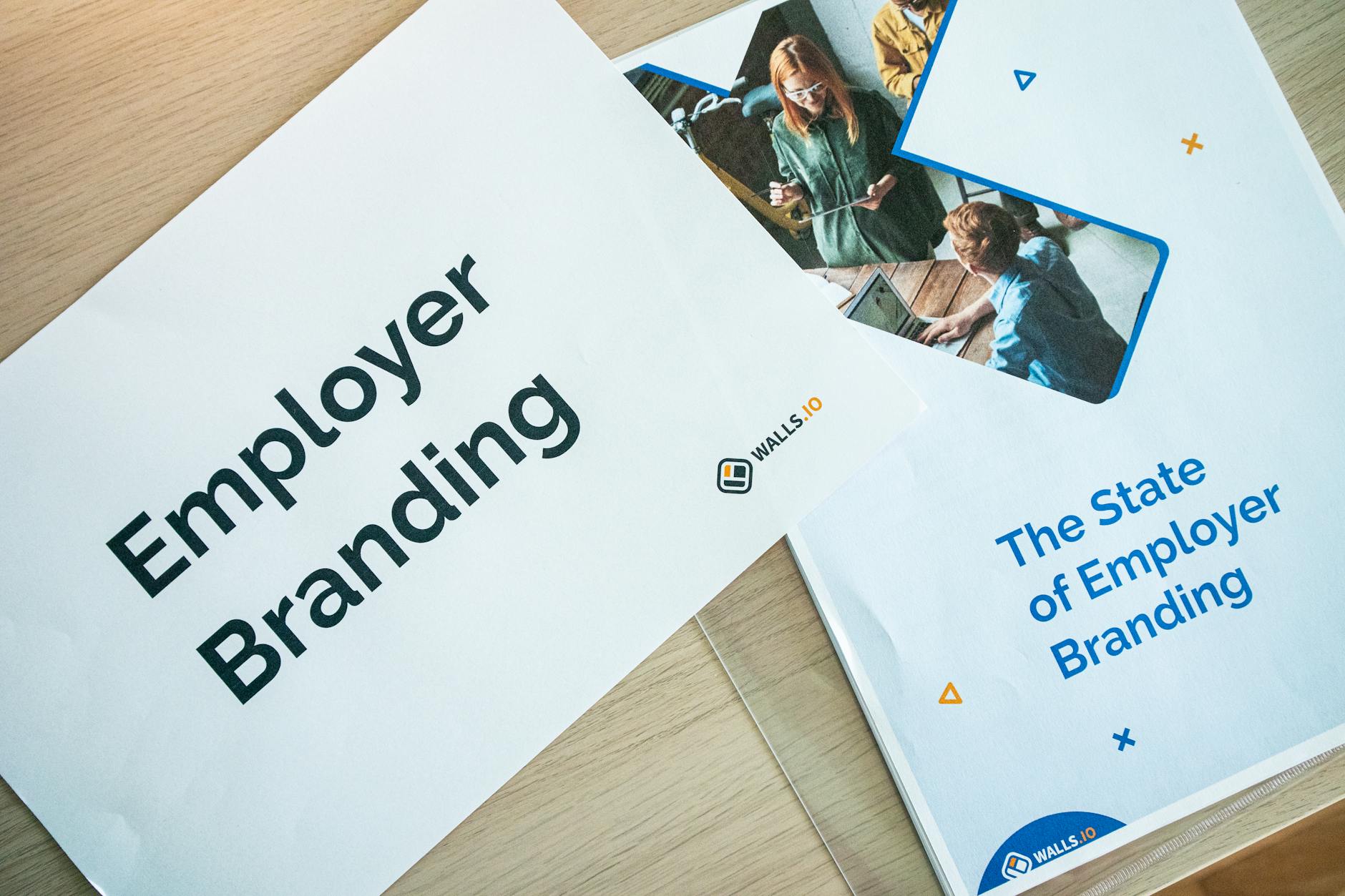
A rebrand is one of the most disorienting moments a brand can put its audience through. New name, new logo, new colours, sometimes a new category entirely. Customers who recognised you on first glance now feel like strangers, and that friction is measurable: open rates fall, engagement drops, and the customers who were easiest to retain suddenly look like churn risks. Video marketing is how you close that gap before it becomes permanent.
Why rebrands create audience confusion (and how video resolves it)
The core problem with a rebrand isn't the new identity. It's the loss of recognition. Your audience built a relationship with your previous visual language, your tone, your name. Overnight, you've changed the signals. Text-based communications can announce the change, but they can't emotionally reconnect. A written email saying "we've updated our look" asks the reader to do all the cognitive work. A video does it for them.
Video re-establishes familiarity in ways that copy can't. Faces, voices, pacing, music, the warmth of a human presence on screen: these things carry trust in a format the brain processes as a personal interaction rather than a corporate message. West Melbourne Studios works with brands navigating this exact challenge, producing rebrand announcement content that bridges the old identity with the new without making loyal customers feel abandoned.
The goal is to make the audience feel like insiders rather than bystanders. Your video should answer the question they're already asking: "Is this still the brand I trusted?" The answer, delivered well, is yes, and here's the story of how we got here.
The three video formats that do the most work after a rebrand
Not every video format suits this moment equally. The following three are the ones that consistently perform in rebrand re-engagement campaigns.
The founder or CEO address. Authenticity is the most persuasive thing you can put on screen in a moment of change. A direct-to-camera message from a company leader, explaining why the rebrand happened, what stayed the same, and what customers can expect, converts sceptics more efficiently than any polished brand film. Keep it under 90 seconds. Don't script it like an ad.
The "then and now" brand story video. This format acknowledges the past without apologising for it. It shows the audience how far the brand has come, using the rebrand as a chapter in a longer narrative rather than a break from it. Brand storytelling through video works precisely because it positions change as progress, not replacement. This format is best suited to email campaigns targeting existing customers and social channels where your most loyal followers live.
The product or service walkthrough under the new brand. One of the most underrated re-engagement videos is simple: show existing customers that the products they rely on still work the way they expect. Familiar features, familiar benefits, new look. This removes uncertainty without requiring the viewer to do any interpretive work.
Timing: when to publish each video
The sequencing matters more than most brands realise. Publishing a single rebrand video on launch day and moving on is the most common mistake. A re-engagement campaign needs to be distributed across 4 to 6 weeks.
Week one belongs to the announcement. The CEO or founder address goes out first, direct to your existing customer list before any public launch. This signals that your most loyal audience is not an afterthought. They hear it first. That decision alone reduces churn.
Week two and three are for the brand story content. This is the narrative that earns attention on social platforms and gives existing customers something worth sharing. The story of a rebrand, told honestly and with a clear reason behind it, is inherently shareable content. Customers who felt like insiders in week one now become ambassadors.
Weeks four through six are for product walkthroughs and testimonial content from customers who've already engaged positively with the new brand. This final phase is about normalisation. By week six, the new identity should feel familiar.
What to say and what to avoid
The script for a rebrand re-engagement video has a specific job. It needs to validate the existing relationship, explain the reason for the change in plain language, and make a clear promise about what stays constant. Three things. That's the whole structure.
What kills rebrand videos is corporate hedging. Phrases like "exciting new chapter" and "evolved to better serve you" are recognised immediately as deflection. Audiences clock the absence of a real reason, and the gap fills with scepticism. If you rebranded because your original name no longer reflected your product range, say that. If a merger drove the change, name it. Specific honesty is more persuasive than polished vagueness.
Sensory language helps here. Rather than describing the new brand in abstract terms, let the video show it. The use of sensory language in video marketing scripts is especially effective in rebrand content because it gives viewers an immediate, visceral feel for the new identity without requiring them to interpret a strategy document. Show the new visual world. Let the music do some of the emotional work. Give the audience something to feel before you ask them to think.
Distribution: where rebrand re-engagement video actually lands
Email is the most important channel for rebrand re-engagement. Not social. Your existing customer base is on your list. That's where the relationship lives, and that's where the video should appear first. Embed a thumbnail in the email with a direct-to-video link. Keep the email copy brief. The video does the work.
Social comes second, and the approach differs by platform. LinkedIn suits the founder address format. Instagram and TikTok suit shorter, visually driven cuts from the brand story video. YouTube is where the full-length brand story lives, both for organic search and for retargeting campaigns aimed at existing website visitors.
Paid retargeting is often overlooked in rebrand campaigns. Running a short pre-roll ad targeting your own customer list or website visitors is a cost-effective way to make sure the rebrand message lands with the people who matter most, not just the ones already following you on social.
Measuring whether it's working
The metrics for a rebrand re-engagement campaign look different to a standard video campaign. Watch time matters more than views. A viewer who watches 85% of a 90-second rebrand video has processed the message and felt something. A view that lasts four seconds has not.
Email open rates and click-through rates on the announcement send give you an early signal of how your existing audience is receiving the change. Customer support enquiries in the two weeks after launch tell you how much confusion the rebrand created. High enquiry volume is feedback that the video content isn't resolving uncertainty fast enough.
Repeat purchases from existing customers in the 60 days following the rebrand are the cleanest indicator of re-engagement success. If customers who knew the old brand continue buying under the new one at normal rates, the transition worked.
West Melbourne Studios produces rebrand re-engagement video campaigns for businesses navigating exactly this kind of transition. The production approach, script structure, and distribution sequencing all shape whether a rebrand builds on an existing audience or risks losing it.