
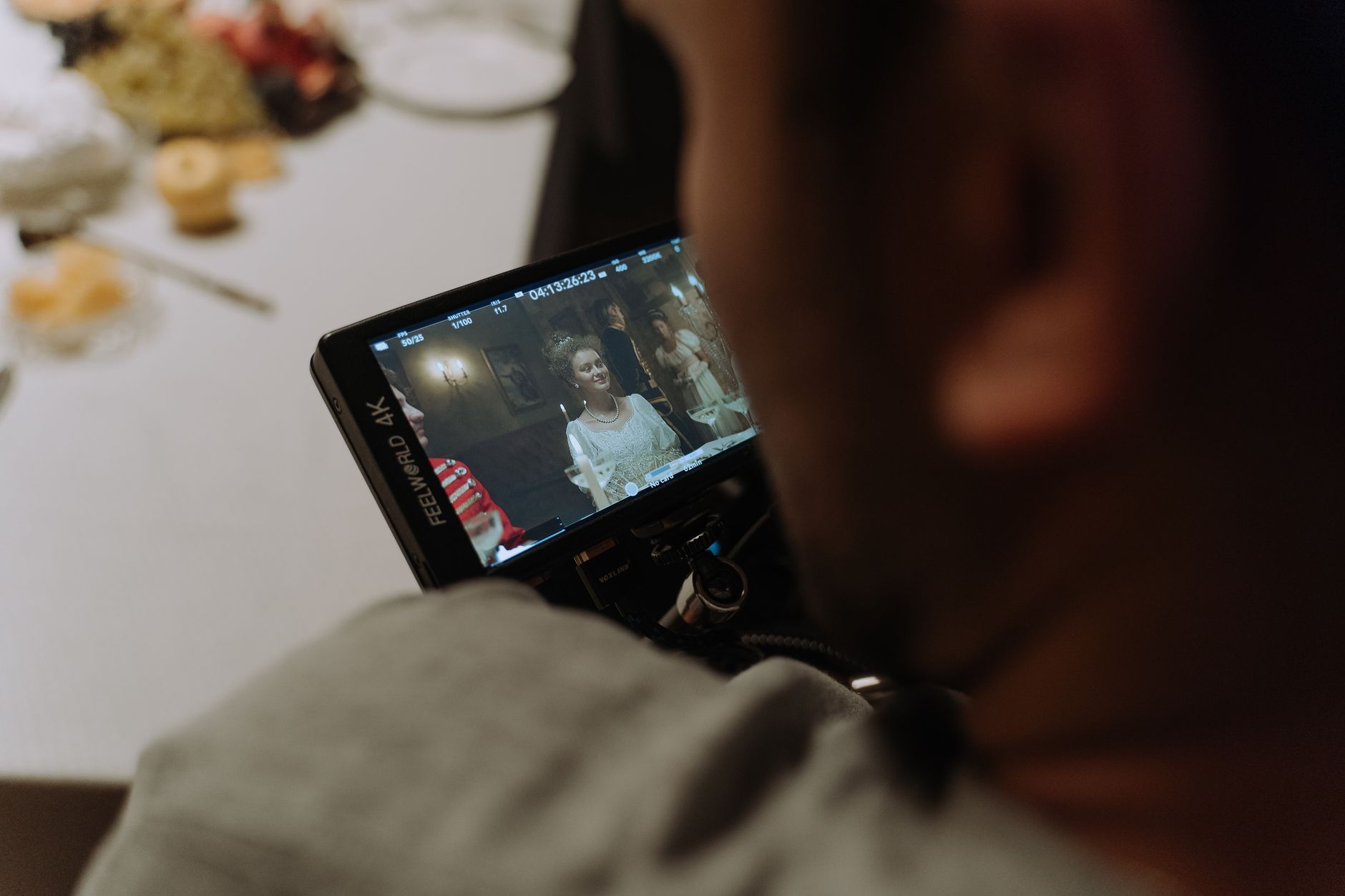
Priming in video marketing is the practice of deliberately conditioning a viewer's mindset before your main message arrives. The brain doesn't receive information in a vacuum. Every opening image, sound, word, and colour sets an expectation that shapes how everything after it gets interpreted. Most video marketers focus almost entirely on the message itself and give almost no thought to the frame they've built around it. That's where first impressions are either won or wasted.
What priming actually is
Priming is a well-documented concept in cognitive psychology. Exposure to one stimulus influences how a person responds to a subsequent one, often without conscious awareness. In a video context, the effect begins the moment someone presses play. The first three seconds are not just a hook. They're a conditioning sequence that tells the viewer's brain what kind of experience to prepare for.
A video that opens with warm, slow cinematography and a soft acoustic note primes the viewer for something intimate and trustworthy. The same script delivered over a fast cut with a distorted bass hit primes for urgency and edge. The content of the message hasn't changed. The reception of it has.
This is why two brands can say identical things and produce completely different commercial results. The priming environment created by one makes the message land. The other's opening frame fights the message the whole way through.
The four channels priming works through
Priming in video reaches the viewer through four distinct channels, and the strongest campaigns use all of them in concert.
Visual priming operates through colour, composition, and movement. Desaturated footage primes for seriousness. Wide, open frames prime for possibility. Close-up faces prime for intimacy and trust. West Melbourne Studios frames opening shots around the emotional state the viewer should inhabit before the product is introduced, not after.
Auditory priming is arguably the fastest channel. Sound reaches emotional processing centres before visual information does. A low, resonant tone primes for weight and credibility. A high, bright piano note primes for lightness and optimism. Silence itself primes for focus. The music brief matters as much as the visual brief, and they need to be designed together.
Linguistic priming works through the specific words used in the first line of dialogue or on-screen text. Words carry associative networks. "Protect" activates different associations than "grow." "Join" primes differently than "buy." The sensory language used in video marketing scripts is one of the clearest levers a writer has for setting a viewer's initial frame.
Contextual priming comes from the environment where the video is placed. A pre-roll ad running before a finance documentary lands differently than the same ad running before a comedy. The platform, the surrounding content, and even the time of day all contribute to the viewer's pre-existing mental state. Placing video strategically within a content ecosystem is part of the priming work.
Where most brands get it wrong
The most common mistake is building a dissonant prime. This happens when the opening of a video creates one expectation and the body of the video delivers another. A viewer primed for warmth and trust who then receives a hard sell feels a friction they can't quite name but will absolutely act on. They leave.
Logos are a particularly common source of dissonant priming. Dropping a full brand intro sequence at the start of a video primes for a corporate presentation, not a story. That matters enormously for brand awareness content at the top of the funnel, where the viewer has no existing relationship with the brand and no reason to wait through a ten-second ident before something interesting happens.
Another failure point is inconsistency between the thumbnail and the video's opening frame. The thumbnail is the first prime. It sets an expectation before a second of footage plays. If the video's opening contradicts that expectation, the viewer feels misled, even if the content itself is genuinely good. Thumbnail design shapes click-through rates precisely because it is the earliest priming opportunity in the viewer's journey.
How to prime deliberately
Start with the emotional state you want the viewer to be in at the moment your core message lands. Work backwards from there. If the message requires trust, the prime needs to earn credibility before the message appears. If the message requires urgency, the prime needs to elevate the viewer's pulse before the problem is stated.
Write the first five seconds of a video script as a separate brief. Specify the emotion, not just the action. "Camera pans across an empty office at 6am" is a visual description. "The viewer feels the weight of time slipping" is an emotional specification. Give both to your director and your composer separately, then see if the results agree.
Test the opening in isolation. Strip out everything after the first five seconds and show it to someone who hasn't seen the full video. Ask them how it made them feel and what they expect to come next. If their answer is close to the emotional state your message needs, the prime is working. If it isn't, the opening needs a rewrite before the full video does.
Priming also operates across a campaign, not just within a single video. A viewer who has seen your brand's earlier content arrives at each new video with an existing mental frame built from prior exposure. Repetition of visual, tonal, and linguistic cues compounds the effect over time. Consistent brand priming is one of the mechanisms behind the kind of repetition in video marketing that builds lasting brand memory.
Priming and the opening frame
The cold open is the clearest example of priming done intentionally. Filmmakers use cold opens to drop the audience into an emotional state before the world of the story is even established. The same technique applies directly to video marketing. Skip the brand intro. Skip the product shot. Open on an image or a line of dialogue that puts the viewer exactly where you need them.
A financial services brand that opens on a quiet kitchen table at 7am, with two people studying a bill, has primed the viewer for anxiety and need before a word of copy appears. A software brand that opens on someone laughing at their desk has primed for ease and relief. Neither has said anything yet. Both have already shaped the interpretation of everything that follows.
Priming isn't a trick. It's the craft of ensuring the container you build for your message is the right shape to hold it. Get it right, and the message fits. Get it wrong, and even a well-written script fights an uphill battle it didn't need to fight.