
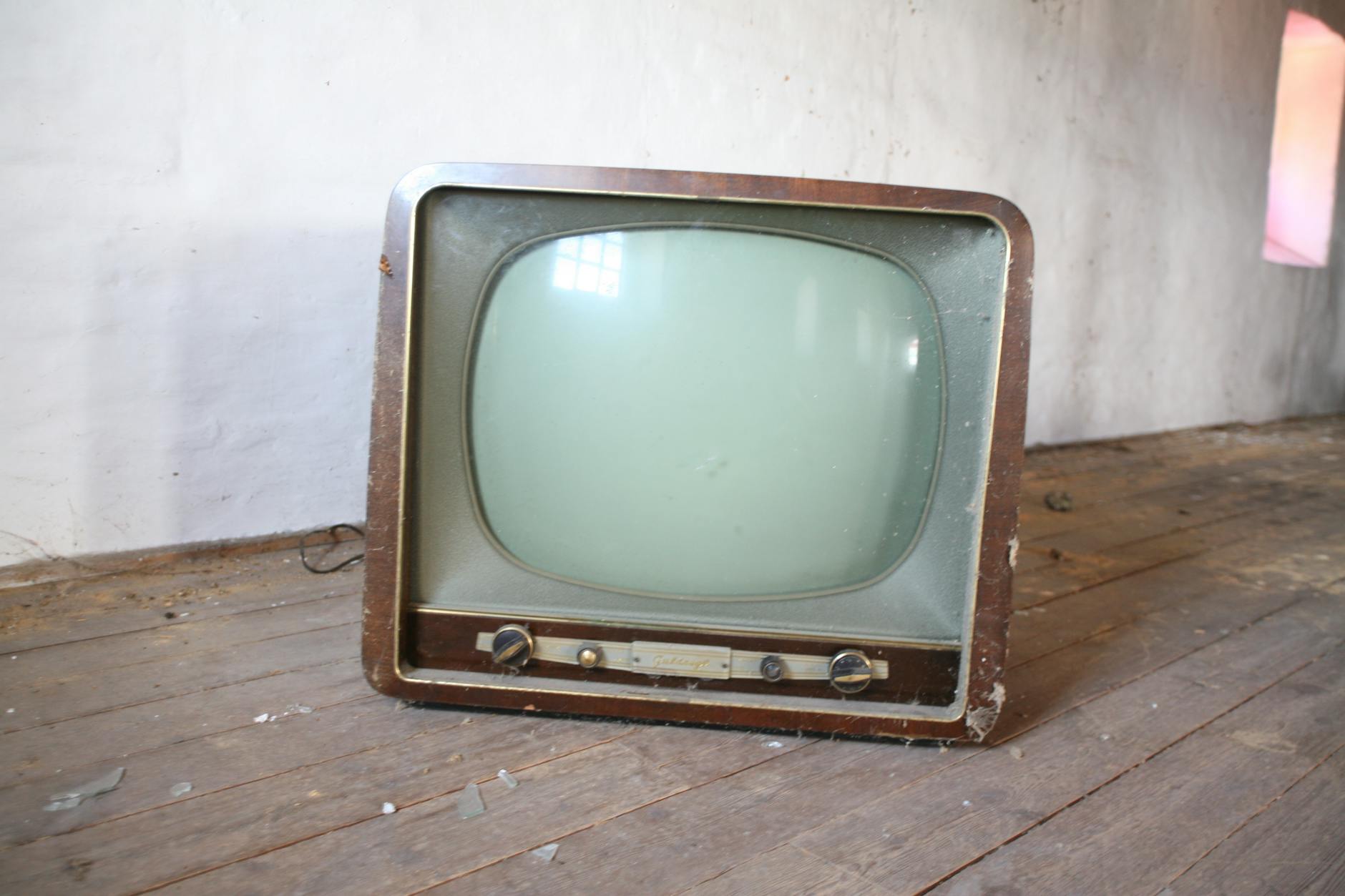
Nostalgia marketing is one of the oldest tools in advertising, but it's rarely understood precisely. Brands reach for it constantly: a retro font here, a grainy filter there, a jingle that sounds vaguely like something from the 1980s. Most of it evaporates. The campaigns that work treat nostalgia not as a costume but as a genuine emotional mechanism, grounded in how memory and identity actually function.
What nostalgia actually does to a buyer's brain
Nostalgia isn't just fondness for the past. Psychologically, it's a self-relevant emotion: the memories it triggers are tied to who we were, who we were with, and what we valued at that time. When a brand activates those associations, it borrows credibility from a period when the viewer was unambiguously happy or certain of themselves. That's powerful raw material.
The commercial upshot is measurable. Research published in the Journal of Consumer Research found that nostalgia reliably increases a person's willingness to spend money on a product, partly by creating a feeling of social connectedness that eases the pain of parting with cash. It doesn't just make people feel warm. It makes them act.
The catch is that nostalgia is personal and generational. A campaign evoking the 1990s hits differently for someone who was 12 in 1995 than for someone who was born in 2000. Brands that don't segment by generation often produce a vague "retro" aesthetic that feels inauthentic to everyone.
Three forms nostalgia marketing takes
Not all nostalgia campaigns are the same. The approach usually falls into one of three categories, and knowing which one you're using shapes every creative decision that follows.
- Product revival. Bringing back a discontinued product or packaging format. Cadbury's periodic return of Marble chocolate in Australia is a clean example: the product itself is the memory trigger.
- Aesthetic nostalgia. Using visual or sonic references to a past era without necessarily reviving an old product. Think VHS-style grain, analog typography, or a synth score that reads as distinctly 1980s.
- Narrative nostalgia. Telling a story built around a specific cultural moment or shared generational experience. This is the hardest to execute and the most resonant when it works.
Narrative nostalgia is where video earns its keep. A well-constructed short film can reconstruct a cultural moment in a way a static image or a product label cannot. West Melbourne Studios approaches this kind of work by treating the script's emotional arc as carefully as any brand message, because the feeling has to arrive before the brand does.
The generational segmentation problem
A brand trying to reach 35-to-50-year-olds in Australia right now is targeting people whose formative years ran roughly from the late 1980s through the mid-2000s. That's a wide band. Saturday morning cartoons on ABC, early PlayStation, dial-up internet, and the specific texture of Australian suburban summers in that period. Each of those carries different resonance depending on birth year.
Get specific. A campaign that references a single cultural object (a TV show, a product, a sporting moment) will outperform one that gestures broadly at "that era." Specificity is what separates an emotional trigger from a generic mood board. It also signals to the audience that the brand actually knows them, not just their demographic category.
Younger audiences (18-to-28-year-olds in 2026) are a different story. They didn't live through the 1990s, but they consume it constantly through film, music, and fashion. For this group, nostalgia marketing works differently: it's not personal memory, it's cultural mythology. The approach shifts from "remember when" to "be part of something with history." That's a subtler pitch, and it requires a brand story built around identity rather than recollection.
Where nostalgia campaigns typically break down
The most common failure is hollow aesthetics. A sepia filter on a product video isn't nostalgia marketing. It's a visual shorthand that audiences read immediately as a substitute for genuine emotional investment. The aesthetic has to carry a real story or it reads as condescending.
The second failure is mismatched brand fit. A fintech startup using 1970s Americana visuals isn't evoking personal memory in its target audience. It's borrowing cultural capital it hasn't earned. Nostalgia marketing works best when there's an authentic connection between the brand's actual history (or its category's history) and the era being referenced. If that connection doesn't exist, the campaign will feel borrowed rather than resonant.
Third: over-reliance on nostalgia as a substitute for product clarity. Emotional storytelling in advertising is one of the most powerful forces in the discipline, but it works best when it leads somewhere concrete. A viewer moved by a nostalgic campaign needs to understand what the brand actually offers, or the emotion dissipates without doing commercial work.
How to build a nostalgia campaign that holds up
Start with the memory, not the era. The most effective nostalgia campaigns identify a specific emotional state (safety, excitement, belonging, freedom) and build backward to the cultural moment that reliably produces it for the target audience. Era comes second.
Then, do the creative work to earn the reference. If you're evoking early 2000s Australia, the details matter: the light, the language, the specific objects, the background sound design. Vague approximations don't land. Precision does. This is where a production team that understands emotional storytelling in advertising becomes essential rather than optional.
Finally, connect the emotion to a contemporary brand promise. The best nostalgia campaigns don't stay in the past. They use the past to reframe the present: this is who we were, this is who you were, and here's why what we offer now fits that same part of you. Without that bridge, the campaign is a memory exercise, not a marketing one.
Nostalgia in video: where the format shines
Video is the natural home for nostalgia marketing. It controls time, sound, light, and pacing simultaneously, which means it can reconstruct a felt memory rather than just represent one. A well-cast face, a particular quality of afternoon light, a piece of incidental music heard briefly: these details accumulate in ways that print and static imagery can't match.
The format also gives a brand permission to slow down. Nostalgia operates at a different tempo to most advertising. It asks the viewer to dwell, not scan. That's a difficult ask on a social feed, which is why the most effective nostalgia video campaigns tend to run longer than standard digital ad units, often 60 seconds or more, and are seeded in contexts where people are already inclined to pause.
Understanding the consumer psychology behind video ads is useful here: viewers who enter a nostalgic state early in a piece of content become far more receptive to brand messaging in the second half. The emotional groundwork does real persuasive work, not just atmospheric work.
When West Melbourne Studios produces this kind of content, the brief almost always centres on a single felt truth about the audience's past, rather than a list of brand attributes. That constraint tends to produce better work. It forces every creative decision to serve the emotion rather than the brief.
One practical test before you commit
Before investing in a nostalgia-led campaign, ask one question: does this reference belong to us or did we borrow it? If the honest answer is borrowed, the campaign needs either a stronger brand connection or a different emotional strategy. Audiences forgive a lot, but they don't forgive a brand pretending to share a memory it has no claim to.
Nostalgia marketing done well is not retro pastiche. It's a precise emotional argument, built from real cultural memory, aimed at a specific audience, and connected to a contemporary reason to act. Get those three elements right and the past does serious commercial work in the present.