
Influencer marketing trends in 2026 look very different from the landscape brands navigated even three years ago. The era of paying a celebrity to hold a product and smile has given way to something more nuanced: performance-driven partnerships, hyper-specific communities, and audiences who have become remarkably good at detecting inauthenticity. For brands trying to cut through, the rules have changed. Understanding how they've changed is the first step to getting it right.
The shift from macro to micro and nano creators
One of the clearest influencer marketing trends of recent years is the migration away from mega-influencers toward micro (10,000 to 100,000 followers) and nano creators (under 10,000 followers). The logic is straightforward: smaller audiences tend to be more engaged, more trusting of the creator's recommendations, and more concentrated around a specific interest or identity. A cooking creator with 8,000 highly engaged followers in Melbourne often delivers better results for a food brand than a lifestyle influencer with 2 million passive scrollers spread across three continents.
Brands have responded by building rosters rather than signing single flagship deals. Instead of one large partnership, a brand might work with 30 nano creators simultaneously, each speaking to their own small but loyal community. The overhead per creator drops significantly, and the combined reach, when matched with the right audience fit, frequently outperforms the single-celebrity approach on both engagement rate and conversion.
Authenticity as the currency that matters most
Audiences have grown sophisticated. They can identify an undisclosed paid post within seconds, and they respond to it with immediate distrust. This has pushed the most effective influencer partnerships toward longer-term relationships where creators are given genuine creative freedom. Brands that hand a creator a rigid script and a list of approved adjectives get wooden content. Brands that brief the creator on the core value proposition and then step back tend to get content that actually resonates.
This shift connects directly to how emotional storytelling in advertising works at a neurological level. Audiences respond to stories that feel real, told by people who genuinely use and believe in a product. When a creator's enthusiasm reads as performed rather than genuine, the persuasion effect collapses. The most effective influencer campaigns today look less like ads and more like personal recommendations embedded within content the audience was already seeking out.
Video-first content and the format's dominance
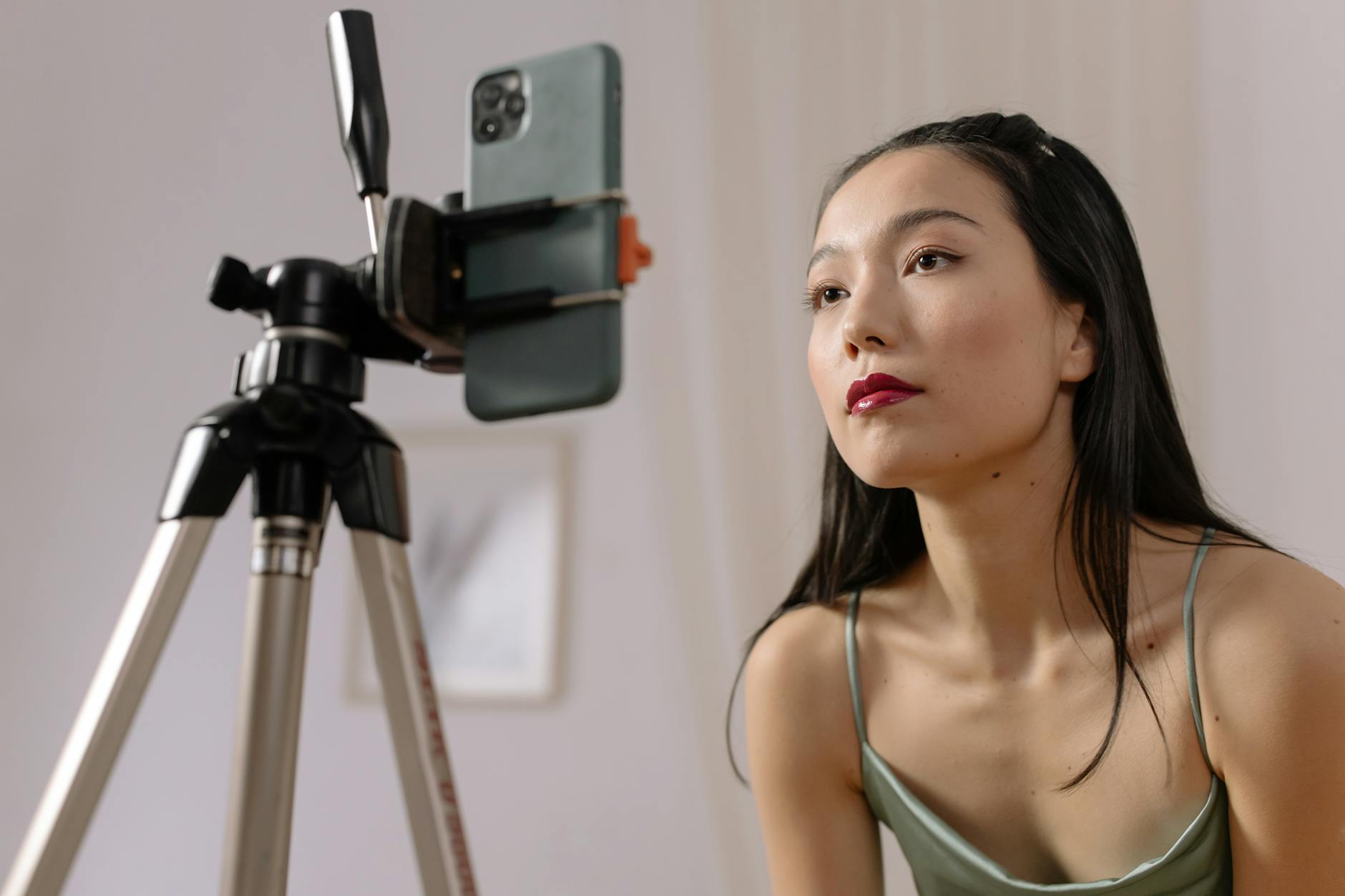
Short-form video has become the primary format for influencer content, and that trend shows no sign of reversing. Platforms built around short video have restructured how creators reach audiences, and the implications for brands are significant. A creator who can tell a compelling story in 30 to 60 seconds, on camera, with a strong hook in the first three seconds, is now worth considerably more to a brand than one who can only produce static posts or long-form editorial.
This is inseparable from the broader reality that short-form video dominates social media in a way no other content format has managed. Influencer marketing strategy has had to adapt accordingly. Brands that once briefed creators for a blog post and a product photo now need to think in terms of video scripts, hooks, transitions, and platform-specific aspect ratios. The production bar has risen, but so has the potential return when the content lands.
The rise of virtual influencers and AI-generated personas
A newer frontier in influencer marketing involves creators who do not exist in any physical sense. Virtual influencers, AI-generated personas with distinct personalities, aesthetics, and posting schedules, have attracted hundreds of thousands of followers and secured brand partnerships with some of the world's largest companies. For brands, the appeal is clear: a virtual influencer never has a PR crisis, never goes off-brand, and can be deployed across markets simultaneously without scheduling conflicts or talent fees that escalate with fame.
The trade-offs are equally real. Audiences engaging with a virtual influencer know they are interacting with a constructed persona, and the authenticity ceiling is lower by definition. Whether that ceiling matters depends on the brand category and the audience in question. Luxury fashion, gaming, and tech have seen virtual influencer partnerships perform well. Sectors built on personal trust, such as health, finance, or parenting, tend to find the format harder to make credible.
Performance measurement is growing sharper
One of the most consequential influencer marketing trends has nothing to do with creators themselves. It is about accountability. Brands have grown far less willing to pay flat fees for reach alone. The shift is toward performance-based compensation structures where a portion of creator fees is tied to measurable outcomes: link clicks, discount code redemptions, app installs, or direct sales. This puts pressure on creators to actually understand their audience's buying behaviour, not just their engagement patterns.
For brands, this creates a more defensible budget conversation internally. It also produces better data over time, allowing teams to identify which creator categories, content formats, and platform placements consistently drive the outcomes that matter. Combined with the kind of thinking that drives the consumer psychology behind video ads, performance-focused influencer campaigns can be optimised with a level of rigour that would have seemed unlikely five years ago.
What brands should actually focus on right now
The influencer marketing landscape rewards clarity of purpose above almost everything else. Brands that approach creator partnerships with a defined objective, a realistic understanding of what each creator's audience actually responds to, and a genuine willingness to let the creator tell the story in their own voice tend to outperform those chasing follower counts or trending platforms.
A few things are worth keeping front of mind. Long-term creator relationships consistently outperform one-off activations because audiences recognise when a creator has used a product for months rather than days. Disclosure remains non-negotiable, both legally and in terms of audience trust. And the platforms themselves are still shifting: where audiences are spending time in 2026 may not be where they spend it in 2028, so brand flexibility in platform selection matters more than platform loyalty.
The creators who are worth partnering with know all of this already. The best partnerships happen when a brand arrives with the same level of literacy, ready to collaborate rather than dictate, and focused on building something an audience will genuinely want to watch.