
Authority bias describes a well-documented psychological tendency: when a person or institution is perceived as credible, knowledgeable, or official, audiences defer to their judgement far more readily than to an unknown voice. In video marketing, that mechanism is a genuine conversion lever. West Melbourne Studios works with brands across industries to build credibility into the structure of their video content, not just the script.
What authority bias actually does to a viewer
When a viewer encounters a recognised expert, a credentialled institution, or someone who simply presents with the visual cues of expertise, their critical evaluation drops. They spend less time questioning the claim and more time receiving it. This isn't manipulation in a pejorative sense. It's how trust functions. A cardiologist recommending a diet change carries more weight than a stranger doing the same, even if the advice is identical. Video compresses that dynamic into seconds.
The mechanism runs in two directions. Borrowed authority comes from featuring real experts, institutions, or recognisable credentials. Constructed authority comes from the production choices that signal quality: professional lighting, confident on-camera delivery, precise editing, clear data visualisations. Both work. The strongest campaigns use both at once.
How to build borrowed authority into your video
Borrowed authority starts with who appears on screen. Featuring a genuine subject-matter expert, a university researcher, a licensed professional, or a recognised industry figure activates the bias immediately. The viewer's brain reads the credential before the sentence is finished. Three practical approaches work well here.
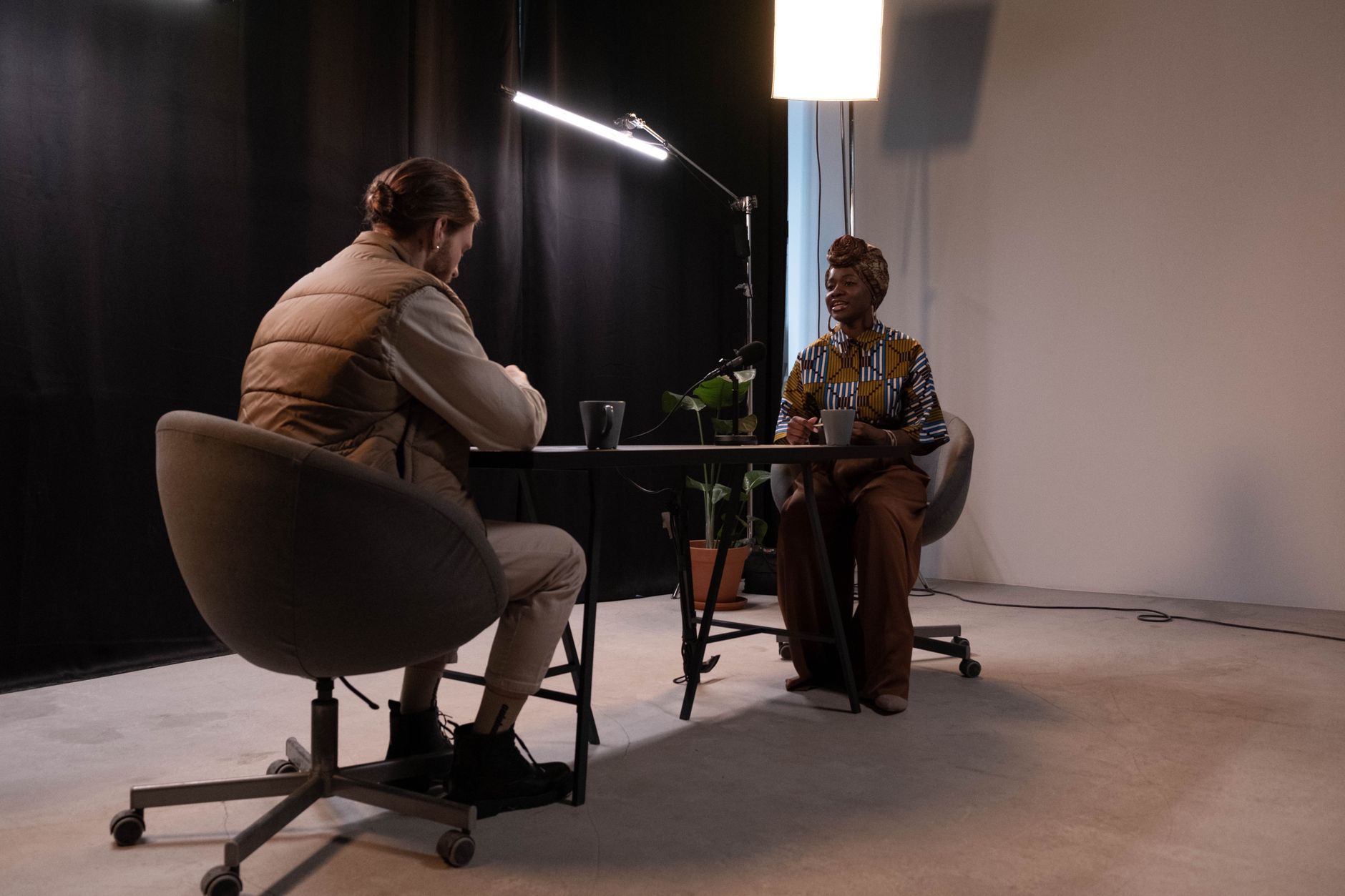
- Expert interviews. A 30-second clip of a credentialled professional explaining why your product or approach works shifts viewer scepticism faster than three minutes of brand copy. The key is letting the expert speak in their own register, not scripting them to sound like marketing.
- Third-party endorsements. Awards logos, certification badges, and media appearances are borrowed authority in compressed form. A single frame showing a credible third party's recognition does real work.
- Data attribution. Citing a named research institution or published study, rather than a vague "studies show", lifts the authority signal considerably. Specificity is what makes it credible.
How production quality signals authority
Constructed authority is subtler but equally powerful. Viewers make instant inferences about credibility from production quality. A video shot on a professional camera with accurate colour, clean audio, and confident pacing reads as authoritative. The same content on a shaky phone recording does not, regardless of the words spoken.
This is why production investment pays dividends beyond aesthetics. West Melbourne Studios approaches every commercial shoot with the understanding that the frame itself is a persuasion tool. Lighting ratios, lens choices, and composition all carry signals about the seriousness of the brand behind the content. If you want to understand how these visual choices shape viewer emotion before a word is heard, the psychology of colour in video marketing covers how specific colour decisions prime perception from the opening frame.
Authority bias and the hero's journey: a pairing that works
One of the more effective structural applications of authority bias is positioning the expert not as the protagonist, but as the mentor. The viewer is the hero. The credentialled voice is the guide who has walked the path and now illuminates it. This maps directly onto classic narrative structure. The guide's authority validates the viewer's decision to act without making the viewer feel lectured.
West Melbourne Studios uses this framework in testimonial and thought leadership work, where the expert's role is to transfer confidence to the viewer rather than demonstrate personal achievement. Using the hero's journey in video marketing outlines this structure in full, including how to position the authority figure within the narrative arc so their credibility serves the story rather than interrupting it.
Mistakes that undermine authority in video
Authority bias backfires when the signals are contradictory. A highly credentialled guest speaking in front of a cluttered, poorly lit background sends two conflicting messages and the brain resolves the conflict by discounting the credential. Consistency between the spoken authority and the visual environment is non-negotiable.
Over-claiming is the second failure mode. Attaching authority language to weak claims ("leading experts agree") without naming those experts or the evidence they're drawing on reads as empty positioning to a sceptical viewer. Modern audiences are faster to detect vague credentialism than brands typically assume. Specificity is the fix: name the expert, name the study, name the institution.
A third mistake is mismatching the authority figure to the audience. An academic speaking in academic language to a consumer audience creates distance rather than trust. The expert needs to be credible to the specific viewer, not credible in the abstract.
Applying authority bias across the funnel
At the top of the funnel, authority signals build brand legitimacy quickly. A short video featuring a recognisable industry voice, a press mention, or a certification mark gives an unfamiliar brand immediate standing. Mid-funnel, expert walkthroughs and detailed product explanations from credentialled voices reduce the friction that stalls consideration. At the bottom of the funnel, a direct-to-camera recommendation from a trusted professional can be the final signal a buyer needs before converting.
Each stage uses the same psychological mechanism but weights the authority signal differently. Awareness content needs broad recognisability. Consideration content needs depth and specificity. Conversion content needs personal relevance.
A note on authenticity
Authority bias works best when the authority is real. Manufactured credentials, paid "experts" with tenuous relevance, and vague institutional affiliations all carry risk. Viewers who research the claim and find it hollow don't just reject the message. They reject the brand. The sustainable application of authority bias in video marketing is to identify the genuine credibility your brand has access to, and present it with the production quality and narrative structure it deserves.
West Melbourne Studios builds these elements into the brief stage of every project, treating credibility as a structural concern rather than a finishing detail.