
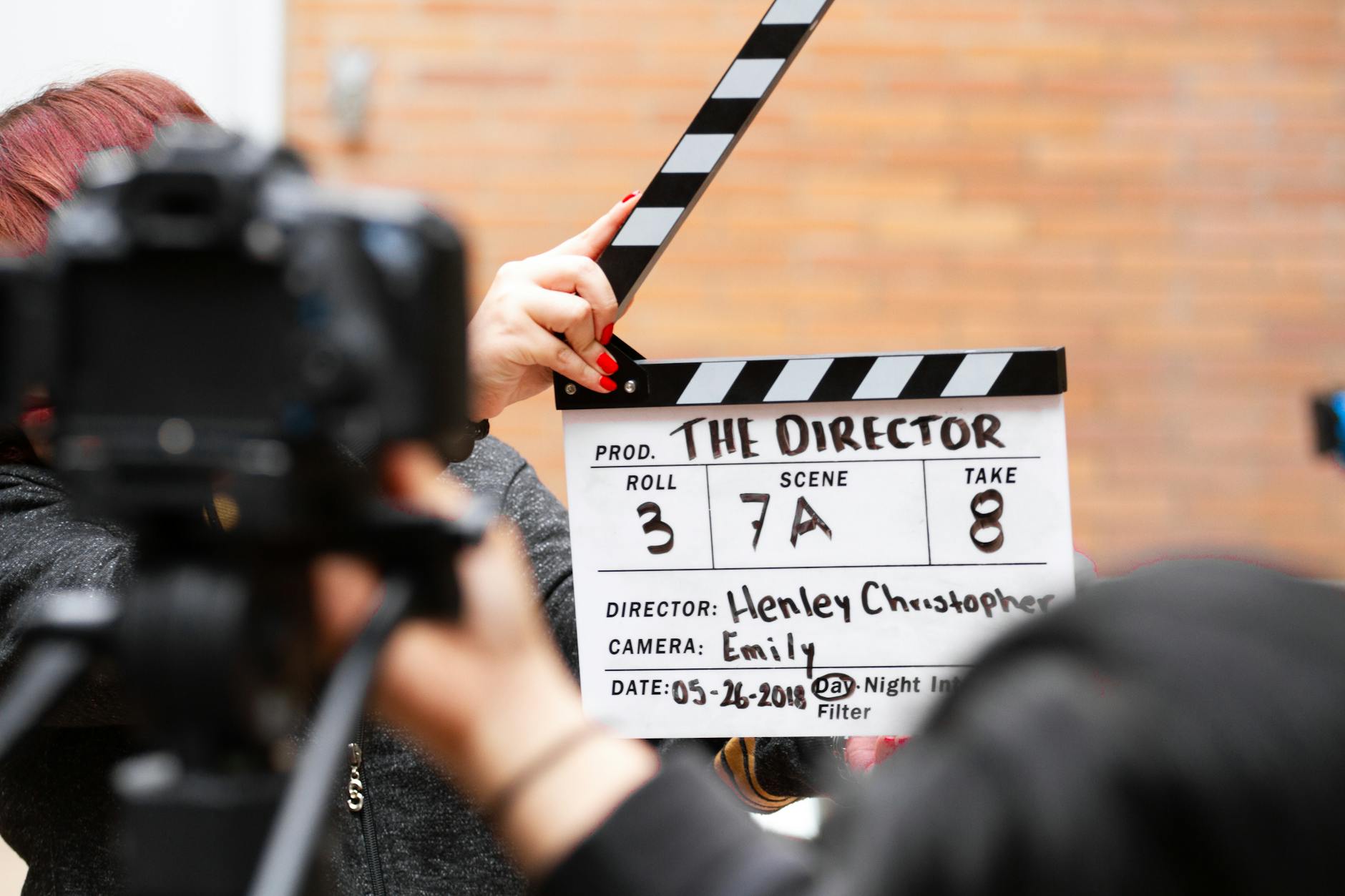
The word "reshoot" lands in entertainment news like a warning sign. Budgets blown. Directors at war with studios. A film in trouble. But that reading is almost always wrong. Reshoots are one of the most routine and frequently misrepresented tools in the filmmaker's kit, and the films that come out better for them are far more common than the ones that don't.
Understanding why a production returns to set reveals something important about how films are actually made, not the polished mythology of a director's singular vision, but the collaborative, iterative reality of turning a script into a finished work.
What actually triggers a reshoot
The reasons a film goes back to set fall into a few distinct categories, and only one of them involves genuine distress.
Test screenings are the most common trigger. A studio screens a rough cut to a representative audience, collects response data, and identifies where the film loses people. That information is specific: a character's motivation isn't clear in act two, or the ending doesn't land with the emotional force the story has been building toward. Reshoots address those gaps directly. This isn't panic. It's refinement.
Production gaps are another driver. A scene that read perfectly on the page doesn't work when it's assembled with the surrounding footage. An editor discovers that a transition is missing or that a key piece of connective tissue was never captured. Going back for two days to fill that gap is far cheaper than releasing a film with a structural hole.
Then there are creative reshoots, which are the most interesting kind. A filmmaker reviews the assembled cut and realises the film is capable of being something better than what was shot. This happens most often when an editor's choices reveal a stronger version of the story. The director goes back not to fix a problem, but to chase an improvement.
The stigma versus the evidence
The entertainment press treats reshoots as a distress signal, partly because studios release vague statements and partly because audiences have been trained to read them that way. But the track record doesn't support the anxiety.
Many of the most commercially and critically successful films in the past two decades involved significant additional photography. Mad Max: Fury Road went through extraordinary post-production restructuring. Rogue One had extensive reshoots that reportedly changed the entire third act. Both films are now held up as examples of craft under pressure.
The confusion stems partly from conflating "reshoots" with "additional photography," a distinction studios often blur in their own announcements. Additional photography is budgeted from the start on major productions. It's a planned phase, not an emergency. The production wraps principal photography knowing it will return to set for specific material once the cut is assembled.
How reshoots interact with the editing process
Reshoots and editing are deeply intertwined, and the relationship between a director's cut and the theatrical release often hinges on what additional material was available. When a studio or director goes back to set, they're responding to what the edit revealed, not just what the script originally promised.
This is why understanding a director's cut often requires knowing what was shot when. Material added in reshoots can end up being the version of a scene that defines the film, while original principal photography ends up on the cutting room floor. The final cut reflects both phases equally, regardless of when the footage was captured.
Editors play a central role in identifying reshoot needs. A skilled editor assembling the rough cut will flag exactly where the story loses momentum, where a performance needed another take that was never captured, or where a character arc requires one more scene to feel complete. That diagnosis shapes the reshoot schedule precisely.
What reshoots reveal about the production process
The willingness to reshoot is, in many ways, a measure of a production's commitment to the finished film rather than its budget or schedule. Productions that refuse to reshoot when the evidence says they should are often protecting sunk costs rather than serving the story.
Low-budget productions face a starker version of this reality. An independent filmmaker who can't return to set when the edit reveals a structural problem has to solve that problem in the cut, with sound design, with narration, or by restructuring around what exists. This is where narration becomes a practical tool, not just a stylistic one. A voiceover can bridge a gap that a missing scene would otherwise leave open.
The constraints of indie production make reshoots a luxury that forces creative solutions. That's not always a disadvantage. Some of the most inventive formal choices in cinema came from productions that couldn't afford to go back and fix something in the conventional way.
When reshoots go wrong
Reshoots do fail. The conditions that cause them to fail are worth naming.
The most common problem is late-stage creative conflict. If a reshoot is ordered not to serve the film but to satisfy competing executive visions, the additional material often contradicts the tone and character work already in the cut. The result is a patchwork film where different sections feel like they belong to different projects. This is a people problem dressed up as a production problem.
Availability is the practical constraint. Actors move on to other projects. Sets are struck. Locations change or become unavailable. A reshoot ordered six months after principal photography is logistically harder than one ordered six weeks out, and the physical continuity challenges compound quickly. Weight changes, haircuts, and aged faces all become continuity problems that visual effects have to solve.
Budget exhaustion is the third failure mode. A production that has spent its contingency has no room to execute a reshoot properly. Corners get cut. The additional material feels rushed. This is when the stigma becomes deserved: not because reshoots are inherently problematic, but because a poorly resourced reshoot makes visible exactly the pressure the production is under.
The craft case for reshoots
Filmmaking is an iterative art form. Scripts are rewritten. Performances are shaped by multiple takes. Edits go through dozens of versions. Reshoots are simply iteration at the production level, the same discipline applied to a different phase.
The productions that treat reshoots as a normal, planned part of the process tend to use them well. They identify the specific problems, allocate the right resources, and return to set with precise goals. The productions that treat reshoots as shameful emergencies tend to execute them badly, rushing through additional material without the creative clarity needed to make it serve the film.
At its best, a reshoot is a second chance to get something right that the first pass didn't quite reach. Most crafts have a version of this. A second draft of a script. A second mix of an album. The willingness to return and revise, when the evidence says the work can be better, is not a weakness. It's the discipline that separates good work from finished work.