
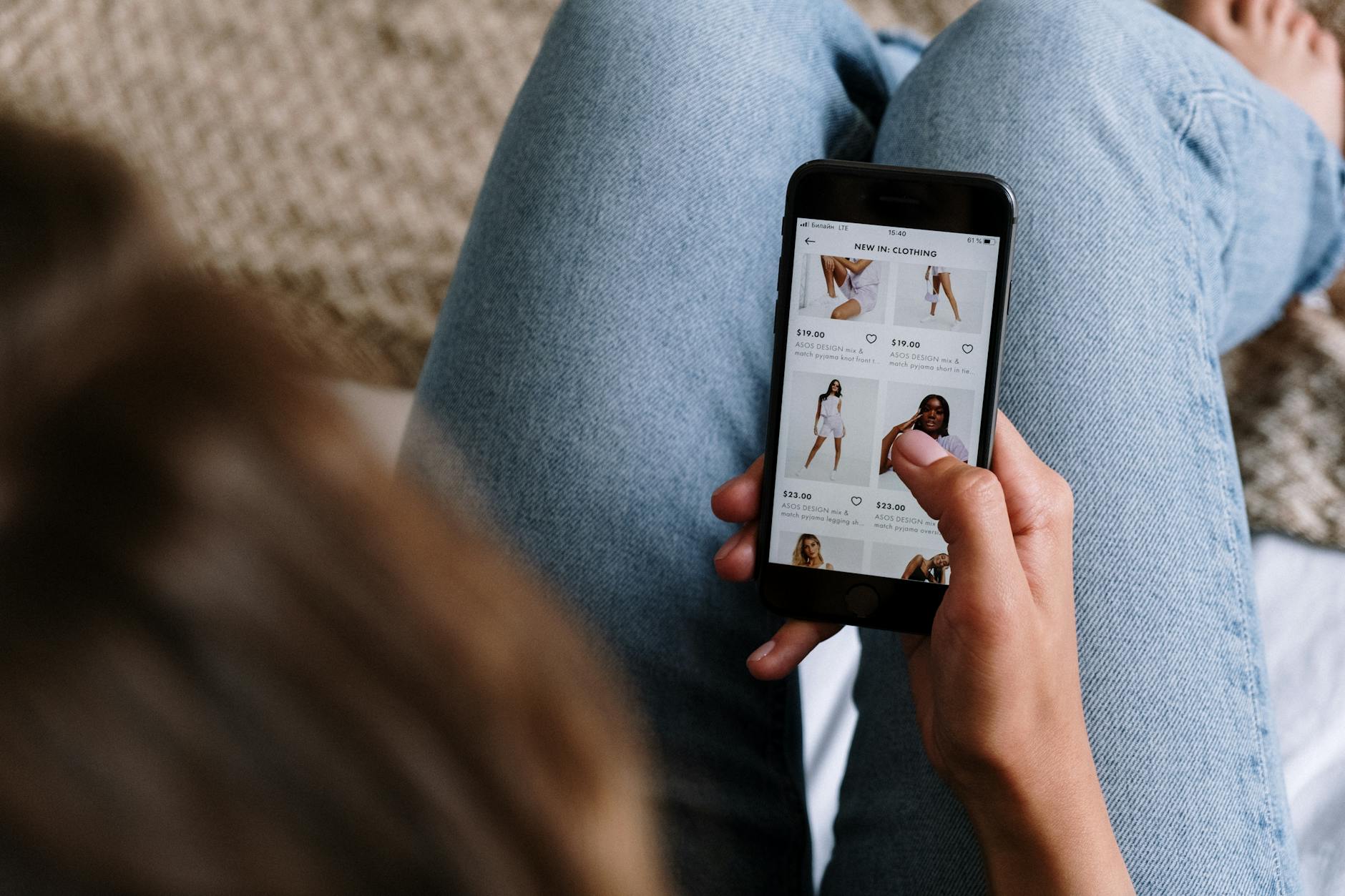
Shoppable video sits at the intersection of content and commerce, letting viewers tap a product, see pricing, and complete a purchase without ever leaving the screen. It's not a new idea, but the infrastructure has finally caught up with the concept. Platforms, brands, and production studios are treating it as a serious revenue channel rather than a feature to tick off a roadmap.
The core mechanic is simple. Hotspots, overlays, or sidebar carousels attach to specific moments in a video. A viewer watching a kitchen demonstration taps the pan being used, lands on a product page, and checks out. The step count drops dramatically. That reduction matters because every additional click between intent and purchase is a place the conversion can die.
Why the format is gaining traction now
Three things converged to make shoppable video viable at scale. First, mobile screens became large enough and fast enough to make in-video tapping feel natural rather than fiddly. Second, platforms including Instagram and TikTok built native shopping layers directly into their video players, removing the need for brands to solve the technical problem themselves. Third, post-purchase expectations shifted. Audiences trained by one-click checkout now find multi-step discovery journeys genuinely frustrating.
This connects to a broader pattern covered in our piece on how livestream commerce is turning viewers into buyers. Shoppable video and live commerce share the same underlying logic: collapse the distance between the moment of desire and the moment of action. The difference is that shoppable video works on pre-recorded content, which means the production investment can be planned and refined rather than produced live under pressure.
Where shoppable video works best
Not every product category benefits equally. Fashion and apparel see the strongest results, partly because the visual cues in video map directly to purchase decisions. A model moving in a garment communicates fit, drape, and texture in ways a static image can't. Beauty and skincare perform similarly well. A 45-second foundation tutorial that tags every product used converts at a rate that a standard product listing page rarely reaches.
Home goods is the third strong category. Furniture brands using shoppable room tours report meaningful lift in average order value, because the format contextualises products that are hard to evaluate in isolation. Seeing a sofa in a styled room, with the rug and lamp also purchasable, replicates some of the showroom effect online retailers have struggled to recreate.
Food and grocery is more contested. The format works for premium or gifting products, but staples with thin margins are harder to justify given production costs.
Production considerations that most guides skip
The production decisions that shape a shoppable video are different from those that shape a standard brand film. Pacing matters more. A video that cuts fast might work on social but gives viewers no time to notice a hotspot, let alone tap it. A minimum of 3 seconds of screen time per featured product is a practical floor, not a rule drawn from theory.
Framing also changes. Products need to be clearly identifiable in frame without the director having to sacrifice visual quality to achieve it. The best shoppable video productions plan the shot list with product visibility as a constraint from the brief stage, not a retrofit in post. This is why the project brief checklist matters so much for this format. Leaving the shoppable layer as an afterthought almost always produces a weaker product, because the video was composed without it in mind.
Audio design is a less-discussed factor. Shoppable videos are often watched with sound, unlike much social content, because the viewer is in a higher-intent state. A weak voice-over or ambient-only track undersells the moment. West Melbourne Studios treats audio design as a primary production element rather than a finishing step, which shows in the final engagement figures for clients using the format.
Metrics that actually measure shoppable video performance
View counts tell you almost nothing about whether a shoppable video is working. The metrics that matter are tap-through rate (how many viewers interacted with a hotspot), add-to-cart rate from taps, and revenue per viewer. These three numbers together tell you whether the video is generating commercial intent, whether the product presentation is compelling enough to move someone closer to purchase, and whether the viewing audience is aligned with the product offering.
Completion rate still matters but needs context. A viewer who taps a product at the 20-second mark and exits the video to complete a purchase looks like a drop-off in a standard retention report. It's actually a conversion. Attribution systems that don't account for this will consistently undervalue the format.
For brands already using attention metrics rather than raw view counts, shoppable video fits naturally into the measurement framework. Attention and intent are closely linked, and the tap-through data in shoppable formats is one of the clearest signals of genuine viewer engagement available in digital video right now.
Platform differences brands often underestimate
Shoppable video behaves differently depending on where it lives. Native platform implementations on Instagram and TikTok integrate directly with the platform's checkout flow, which reduces friction but limits creative control and keeps the transaction inside the platform's ecosystem. Brands get the conversion but lose the first-party data on the customer.
On-site shoppable video, embedded directly into a brand's product pages or editorial content, reverses that trade-off. The creative execution can be more specific, the data stays with the brand, and the customer lands in the brand's own checkout environment. The trade-off is reach. The audience is smaller because it's drawn from existing site traffic rather than a platform's algorithmic distribution.
A third approach uses shoppable video in connected TV environments, where the viewer uses a second screen to complete purchases surfaced by the main-screen content. It's the least mature of the three but growing quickly as IAB Australia reports connected TV now reaching the majority of Australian households.
The production investment case
Shoppable video costs more to produce than a standard brand film if you're doing it properly. Hotspot placement, product data integration, platform-specific rendering, and QA across devices all add scope. The question isn't whether it costs more. It's whether the conversion lift justifies the incremental spend.
For high-margin products, the maths is usually straightforward. If a 2-minute shoppable product video generates 400 direct transactions in its first month at an average order value of $120, the revenue return on an incremental $8,000 production investment is clear. For low-margin or high-volume categories, the case depends more on reducing customer acquisition costs by shortening the funnel than on per-transaction margin.
The format rewards brands that treat it as a production discipline rather than a platform feature to activate. The studios getting the best results are the ones who plan the commercial mechanics at the scripting stage, not the ones who add hotspots to existing footage and wonder why tap-through rates are low.