
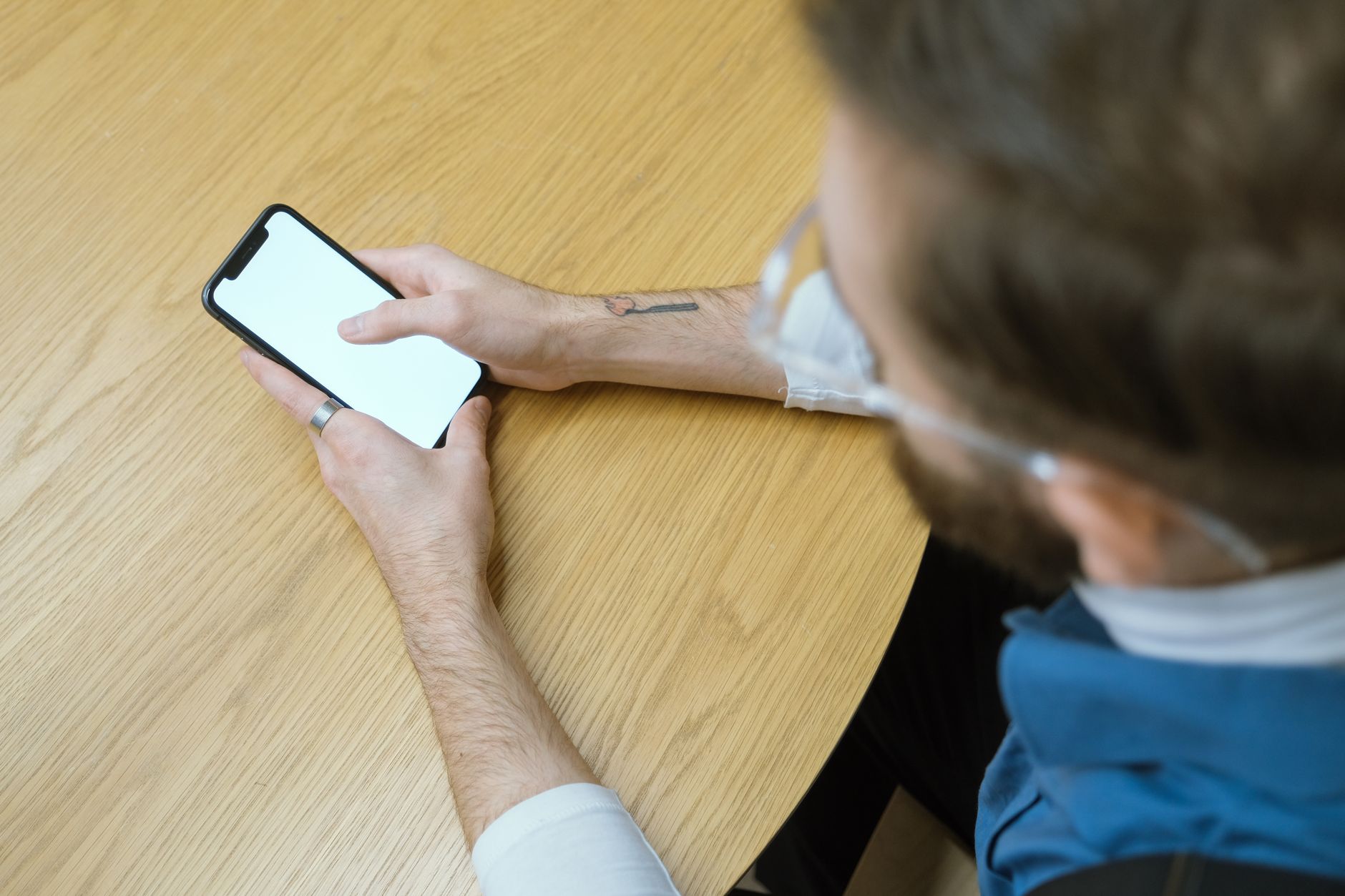
Screen time tracking tools arrived quietly on most devices over the past few years, tucked into system settings and health apps. But their effect on how people consume content has been anything but quiet. Apple Screen Time, Google Digital Wellbeing, and a clutch of third-party apps like Opal now give users a weekly breakdown of exactly where their attention goes. Many people don't like what they find.
The numbers are confronting. A 2024 survey by data analytics firm DataReportal found that Australian adults averaged over 6 hours of daily screen time, with video content accounting for the largest share. When users see those hours presented as a bar chart in their phone's settings, the response is often one of two things: denial or behaviour change. Both matter to anyone producing digital content.
What tracking tools actually show users
The data these tools surface goes well beyond raw hours. Apple Screen Time, for instance, breaks usage down by category: social networking, entertainment, productivity, and so on. It shows which apps received the most pickups per day, how many notifications triggered an open, and whether usage has risen or fallen week-on-week. That granularity is new. Before 2018, most users had only a vague sense of how much time they spent watching video online.
The specificity changes the psychology. Knowing you spent 4 hours on YouTube feels different from knowing you opened it 23 times, mostly between 10 pm and midnight, for an average of 11 minutes per session. The second picture implicates habit and compulsion in a way the first doesn't. This connects directly to how dark patterns in UX are shaping digital content habits, where design choices in apps actively exploit those same late-night windows of low resistance.
The guilt loop and what it does to viewing behaviour
Researchers at University of California Irvine published a 2023 study showing that users who received weekly screen time summaries reported higher "digital guilt" but did not consistently reduce usage. They watched differently, though. Sessions became more intentional. Users were more likely to seek out content they'd actively chosen, rather than following recommendation queues for 40 minutes before noticing.
That's a meaningful shift for content producers. Passive viewing, driven by autoplay and recommendation algorithms, has been the dominant consumption model for most platforms over the past decade. Screen time awareness puts friction into that loop. It doesn't stop people watching. It changes what they're willing to sit through.
Shorter, well-structured content benefits most from this shift. A viewer who is conscious of their screen time is less forgiving of slow introductions and less patient with content that doesn't deliver quickly. This connects to what's already known about how attention metrics are replacing view counts in digital video: the time a viewer commits is now the real currency, and screen time awareness makes viewers more protective of it.
Platform responses to the tracking shift
Streaming and social platforms have had to reckon with this. YouTube introduced its own "Take a Break" and "Bedtime Reminder" features in 2018, partly in response to regulatory pressure but also because users were already bringing the conversation to the platform. Netflix added a "Are you still watching?" prompt years earlier, which looks prescient in hindsight. These in-platform tools are softer and less granular than OS-level tracking, but they signal that platforms understand user self-awareness is now part of the product experience.
What platforms haven't fully resolved is the tension between engagement metrics and viewer wellbeing. A platform optimised purely for watch time will always be in conflict with a viewer who has set themselves a daily limit. The platforms that thread this needle most carefully tend to retain users over longer timeframes, even if individual sessions shrink.
What this means for content creators and studios
For video producers, the practical implication is clear: content competing for the attention of screen-time-aware viewers needs to earn its length. That's not an argument for making everything short. Long-form content still performs when it justifies the time investment up front. Documentaries, deep-dives, and serialised productions all thrive in this environment, but only when the first two minutes give viewers a clear reason to commit.
It's also an argument for honest content design. Viewers who track their own habits are better at recognising when they're being kept watching through anxiety or incomplete loops rather than genuine interest. Content that relies heavily on cliffhangers and open-ended urgency starts to feel manipulative to an audience that has stared at a weekly screen time summary and felt uncomfortable. Authenticity isn't just an aesthetic preference; for this audience, it's a retention strategy.
Studios and brands producing video content should think about how subscription fatigue is changing streaming behaviour alongside the screen time conversation: both trends point to an audience becoming more deliberate about where they put their attention, and less tolerant of content that treats that attention as a given.
The data self-awareness loop isn't going away
Screen time tracking is now a default feature on every major mobile operating system. Wearables are beginning to fold it into broader health dashboards. The idea that viewers will become less aware of their consumption habits over time isn't credible. The more likely trajectory is the opposite: richer data, more refined awareness, and increasingly intentional viewing decisions.
For creators, that's genuinely good news. An audience that chooses to watch is more valuable than one that drifted into watching. The challenge is producing content worth choosing.