
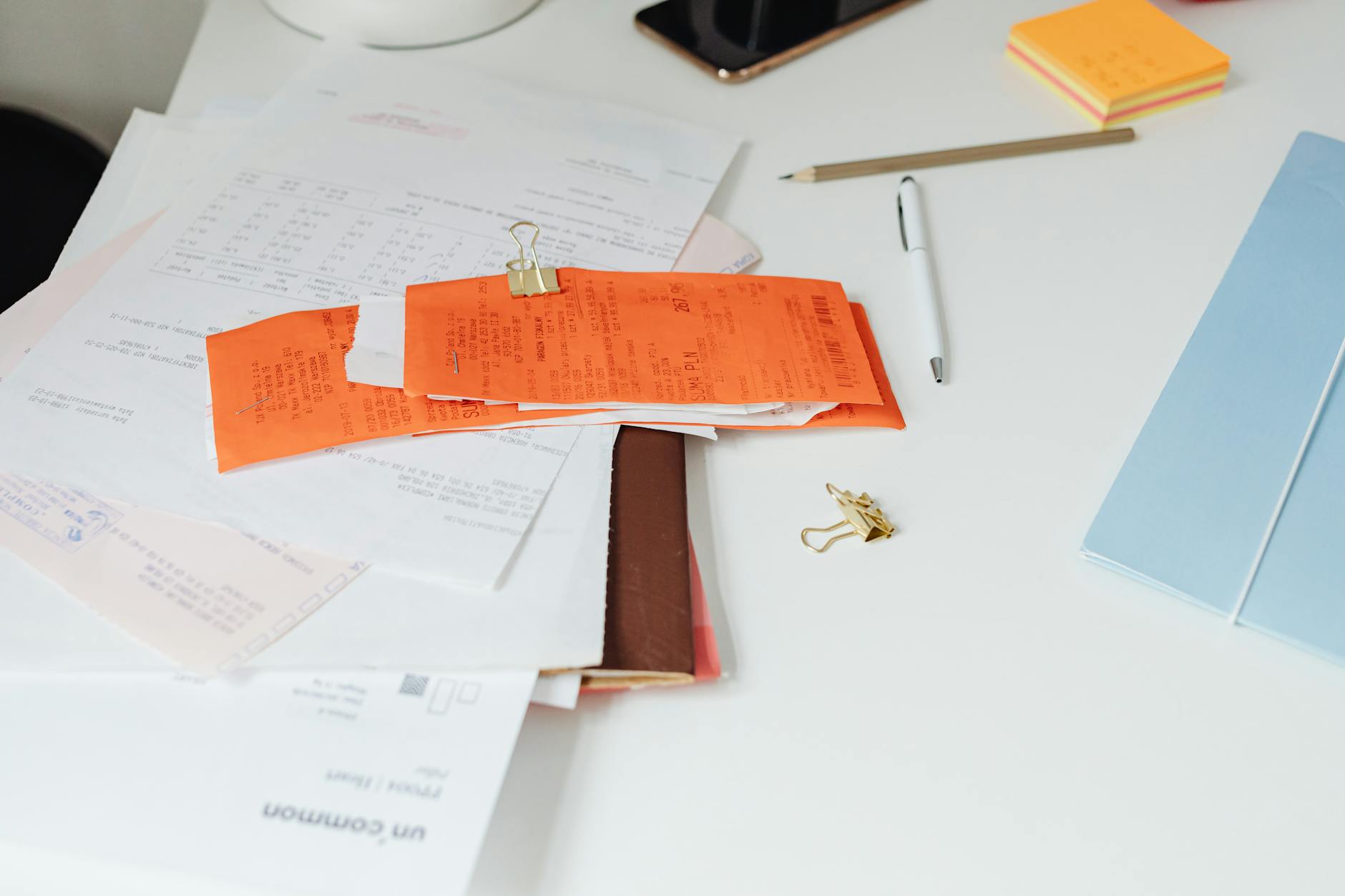
Late payments are the most common cash flow killer in the creative industry. A video production studio can be fully booked, delivering strong work, and still find itself unable to pay suppliers because three clients haven't settled their invoices. The problem isn't rare. It's structural, and it requires a deliberate response.
West Melbourne Studios treats late payment prevention as part of client management, not a separate administrative task. The decisions you make at the proposal and onboarding stage directly determine how quickly money arrives once the project is done.
Why creative businesses get paid late
Clients don't usually withhold payment out of bad faith. They delay for predictable reasons: invoices hitting accounts payable desks without proper purchase order numbers, payment terms being misread or ignored, internal approval chains that nobody warned you about. A few delay deliberately, knowing small studios won't chase hard.
The real cause is almost always the same: payment terms weren't established with enough clarity upfront. When a client signs off on a project without fully understanding your payment schedule, every invoice becomes a negotiation. That's the problem to solve.
What to put in place before the project starts
The best time to set payment expectations is before any creative work begins. Your contract should state payment terms explicitly: the due date, the method, any late payment fees, and the consequences of non-payment. Vague language like "payment within a reasonable timeframe" is not enforceable in any useful sense.
For longer projects, West Melbourne Studios recommends a milestone-based payment structure. A deposit of 30–50% on signing, a mid-project payment on delivery of a draft or key deliverable, and a final payment on completion. This structure keeps cash flowing during the project and reduces the risk of a single large unpaid invoice at the end. It also gives you leverage: if a mid-project payment is missed, you have a clear point at which to pause work before the debt grows larger.
Your freelance video production contract is the document that makes all of this enforceable. Include late payment interest (the Australian Penalty Interest Rates Act sets the benchmark rate in Victoria), a clause reserving intellectual property rights until full payment is received, and a clear statement of what happens if the client disputes an invoice. A contract signed before work starts is worth far more than any amount of chasing after the fact.
How to invoice in a way that gets paid faster
Invoice the moment you hit a milestone. Not the next day. Not when you remember. The moment the deliverable goes out. Delayed invoicing teaches clients that your payment timeline is flexible, and it pushes your invoice further down their queue.
Make the invoice itself easy to act on. Include the purchase order number if the client provided one. List the specific work completed, not just "video production services." State the due date in plain language ("Payment due by 19 September 2026") rather than "net 30," which many clients interpret loosely. Offer at least two payment methods, including direct bank transfer and a card option if you can absorb the fee.
Send a brief, friendly reminder two to three days before the due date. This is not chasing: it's a courtesy that also puts your invoice back in the client's inbox at the right moment. Most accounting software can automate this step.
How to chase an overdue invoice without damaging the relationship
When a payment date passes with no response, act within 48 hours. A long silence signals to the client that you're either not tracking it or won't push back hard. Neither impression helps you.
Start with a polite, direct email. State the invoice number, the amount, the original due date, and a new requested payment date. Keep the tone professional and assume good faith on the first contact. Most genuinely overdue invoices at this stage are the result of oversight, not intent.
If you get no response within five business days, call the accounts payable contact directly. Email is easy to ignore. A phone call is not. Have the invoice details in front of you and ask for a specific commitment: a date and an amount. If partial payment resolves a cash flow problem for the client, accept it and document the arrangement in writing.
If the invoice remains unpaid after two follow-up cycles, escalate. Send a formal letter of demand, which in Australia can be a precursor to a small claims tribunal application. In Victoria, VCAT handles disputes up to $100,000. For larger amounts, a solicitor's letter is often enough to prompt payment without needing to go to court. The cost of a single demand letter is usually far less than the cost of writing off the debt.
Building systems that reduce the problem over time
The most effective long-term response to late payments is a tighter client onboarding process. Qualifying clients before you start work, collecting a signed contract and deposit before a single hour is logged, and reviewing the payment history of repeat clients all reduce the likelihood of problems downstream. A client who was two months late on a previous invoice is a known risk: adjust your payment terms accordingly, or require full payment upfront.
For studios offering ongoing retainer work, the retainer agreement structure provides built-in protection. Monthly fees collected in advance remove the single-invoice risk entirely, and clients on retainer tend to prioritise your invoices because they know access to your time depends on it.
Invoice tracking doesn't require expensive software. A spreadsheet showing invoice date, due date, amount, and status reviewed weekly is enough for most small studios. The discipline is checking it. Studios that review their accounts receivable weekly spot overdue invoices within days, not weeks.
When to decide a client isn't worth keeping
Some clients are chronically late. They're pleasant to work with, they praise the output, and they pay somewhere between 45 and 90 days late every single time. The question isn't whether to chase them. It's whether the relationship is worth the carrying cost.
Calculate the real cost of their late payment: time spent chasing, interest on any finance you use to cover the gap, and the stress of uncertainty. If that cost routinely exceeds 10–15% of the project value, the client is less profitable than they appear on paper. Raise the issue directly, adjust your terms, or price the next project to reflect the actual risk. Clear, honest conversations about payment are far less damaging to client relationships than most creative businesses expect.
West Melbourne Studios builds payment terms into every engagement from the first conversation. The goal isn't to be rigid: it's to be clear enough that payment becomes a non-issue, and to have the tools ready when it isn't.