
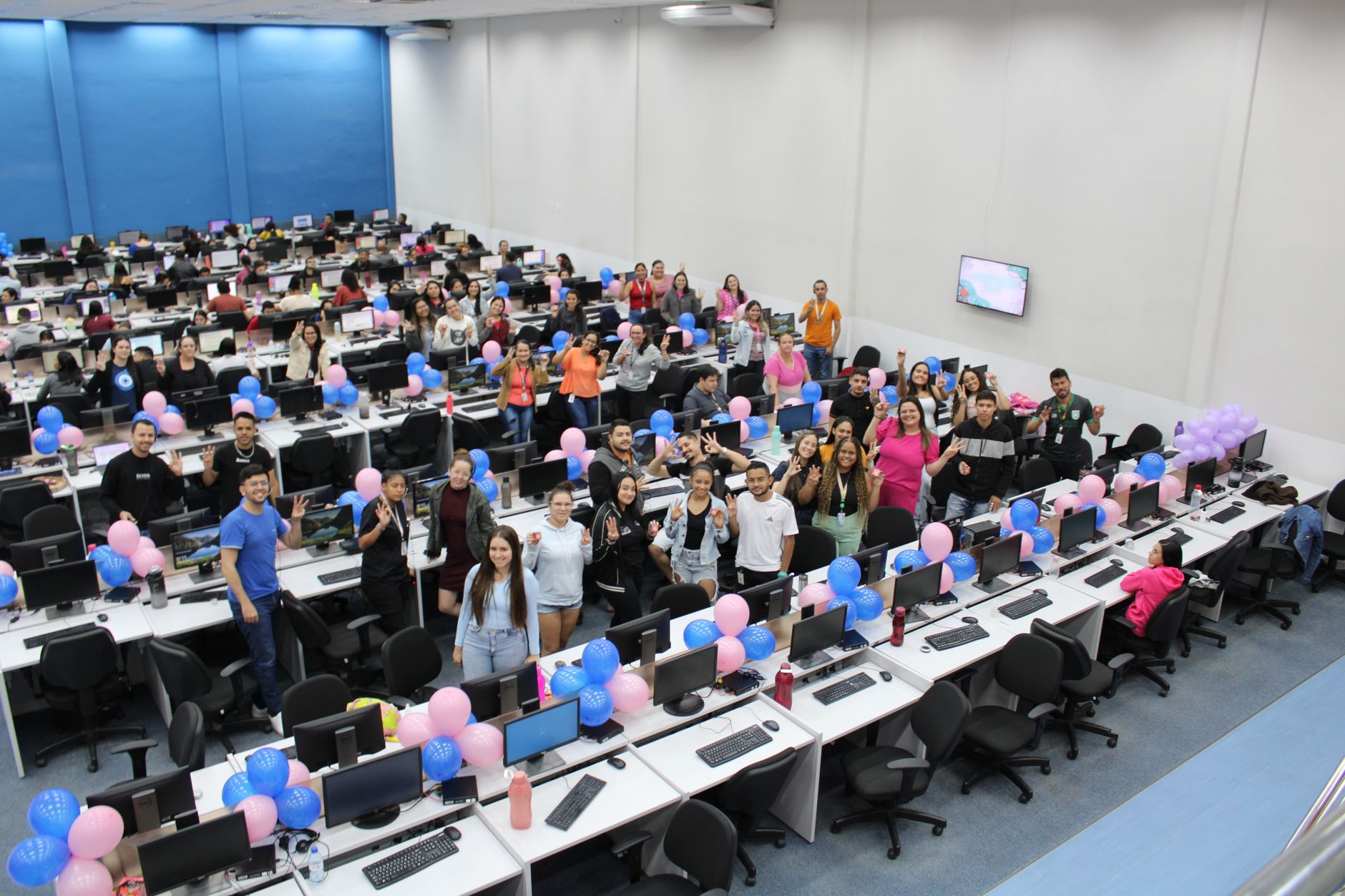
Staff recognition and culture campaigns sit in a gap that most business video strategies ignore. Companies spend heavily on external video: product launches, brand awareness, customer testimonials. The internal audience, the people who actually deliver the work, gets a quarterly newsletter and a slide at the all-hands meeting. Video closes that gap, and it does it faster than any other medium.
West Melbourne Studios works with organisations that want to build genuine culture through video, not just produce a feel-good reel for the end-of-year party. The difference between those two outcomes comes down to intent, structure, and consistency.
Why recognition video works where other formats don't
A written shout-out on the intranet has limited reach and even less emotional weight. A certificate on the wall is seen by whoever walks past. Video, played in a team meeting or shared in a company-wide channel, puts a face, a name, and a story in front of everyone at once.
The psychological mechanics matter here. Recognition lands harder when it's specific, witnessed, and felt. Video satisfies all three conditions: it names the person and the contribution, it broadcasts the moment to the whole organisation, and the medium itself carries emotional register that text can't replicate. A well-framed 90-second profile of a team member, with their words in their own voice, tells colleagues something real about who they're working with.
There's a commercial case, too. Turnover is expensive. Replacing a mid-level employee costs organisations anywhere from 50 to 200 per cent of that person's annual salary once you account for recruitment, onboarding, and lost productivity. Recognition video is a small investment against a large and preventable cost. If your employer branding video is what attracts talent, your staff recognition content is what keeps it.
The formats that work best
Not every recognition video needs to be a cinematic production. Format should match purpose.
Employee spotlights. A 90-second to 2-minute profile of one person. Shot simply, one camera, one location, one sit-down interview. You're capturing the person's role, what they're proud of, and what the organisation means to them. These work well in an ongoing series: one per fortnight, published to your internal channel or intranet.
Team milestone videos. A project wraps, a target is hit, a department has a big month. A short video that captures the moment, even just a 30-second cut of the team in the room with a voice-over from their manager, creates a lasting record and signals that the win was noticed.
Values-in-action stories. Culture campaigns work best when they show values being lived, not just stated. A short documentary-style piece following a team member or small group through a real project makes abstract values concrete. This format takes more production time but produces content that doesn't date quickly.
CEO or leadership messages. When a leader records a direct, personal message to acknowledge a person or team, the format amplifies the recognition. It's brief, it's direct, and it signals that leadership pays attention. Keep these under 90 seconds. Don't script them to the word; a read-aloud message sounds like a read-aloud message.
Production considerations that most teams get wrong
Recognition video fails when it feels performative. The production choices you make signal whether the recognition is genuine.
Lighting matters more than camera quality. A phone shot in a bright, well-lit room looks better than a camera shot in a dark boardroom with fluorescent overhead lights. For employee spotlights, shoot near a window during the day, use a simple reflector if needed, and keep backgrounds uncluttered. If the space reads as a rushed afterthought, the recognition does too.
Sound is non-negotiable. A clip-on lavalier microphone costs less than a hundred dollars and eliminates most audio problems. Room reverb, air conditioning hum, and distant keyboard noise all undercut the human warmth you're trying to create. If your internal team is producing these, a basic audio kit is the first investment worth making.
Editing pace should match the subject. A fast-cut montage style works for team milestone videos where energy is the point. It's the wrong choice for an employee spotlight, where the viewer needs time to connect with the person on screen. Cut for clarity and feeling, not for pace.
If you're working with an external production partner, a clear brief to your video production company is what separates a video that captures the person authentically from one that makes them look like a marketing asset. The brief should include: the purpose of the video, the tone you're aiming for, who the audience is (internal only, or also external), the distribution channel, and any formatting constraints for that channel.
Building a repeatable system
One-off recognition videos get noticed. A regular cadence of them builds culture.
The practical challenge is consistency. Most organisations do one employee spotlight video with good intentions and then let six months pass before the next one. The fix is treating recognition video as a series with a production rhythm, not as an ad-hoc project triggered by a good quarter.
Assign someone ownership. It doesn't have to be a full-time responsibility, but someone on the internal comms or HR team needs to own the schedule, manage the interview pipeline, and coordinate with whoever handles production. Without a single owner, the series stalls.
Build a simple nomination process. Let teams flag their own people for spotlights. Leadership can still have final say, but opening nominations means you capture stories that would otherwise stay invisible. It also makes the recognition feel less top-down, which matters for how it lands with the rest of the team.
Plan distribution before you shoot. Will these live on your intranet? Be shared in the all-hands meeting? Go into a company newsletter? Distributed on the same internal communications channels your teams already use? Each channel has different format requirements: aspect ratio, length, captioning, and thumbnail. Knowing this before production saves significant rework.
Connecting recognition video to culture campaigns
Recognition video is the atomic unit. Culture campaigns are what happens when you link those units together around a shared theme or narrative.
A culture campaign might run across six to eight weeks and use four to six short videos to tell a coherent story about who the organisation is and what it values. Each video features different people but returns to a common thread: a value, a transformation, a year-defining project. At the end of the campaign, the individual pieces add up to something that could live on your careers page, your LinkedIn, or your website as a genuine employer brand asset.
This is where production planning pays off. If you know you're producing six videos around a common theme, you can batch the filming into two shoot days rather than scheduling six separate sessions. Consistent framing, consistent colour grade, consistent lower-third graphics: all of this makes the series feel intentional rather than assembled from parts.
Staff recognition and culture campaigns don't require a broadcast budget. They require consistency, specificity, and a production approach that respects the people on screen. Get those three things right and the video does something no slide deck or newsletter can: it makes people feel genuinely seen.